

Web 2.0: The Internet Where YOU Join the Fun!
Images
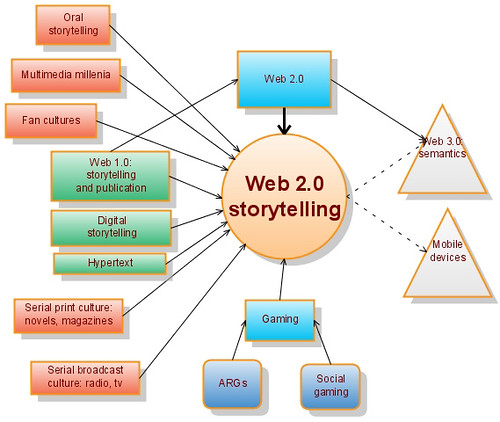
Web 2.0 storytelling

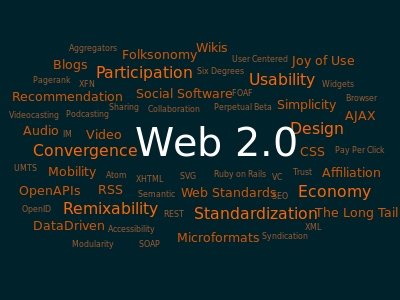


Deconstructing the Web 2.0 Paradigm Shift
Web 2.0 represents a fundamental evolution in the World Wide Web, moving beyond the static, read-only nature of Web 1.0 to a dynamic, read-write environment. It's crucial to understand that Web 2.0 is not a technical specification or a formal version update, but rather a conceptual framework describing a general change in how the web is utilized. The core tenets are user-generated content, ease of use, participatory culture, and interoperability.
This shift transformed websites from mere information repositories into platforms for interaction, collaboration, and community building. The emphasis moved from content creators broadcasting to a passive audience, to users actively co-creating and shaping the online landscape. This participatory ethos is what truly defines the Web 2.0 era, fostering an unprecedented level of user engagement and content diversity.
The Genesis and Popularization of a New Web
The term 'Web 2.0' was first articulated by writer Darcy DiNucci in 1999 in an article titled 'Fragmented Future,' where she foresaw a more dynamic and interactive web. However, the concept gained widespread traction and was popularized by Tim O'Reilly and Dale Dougherty at the inaugural O'Reilly Media Web 2.0 Conference in 2004. They identified a set of emerging trends and technologies that signaled a new phase of the web's development.
This period saw the proliferation of websites that facilitated user interaction, contrasting sharply with the earlier Web 1.0 era characterized by static HTML pages and limited user input. The popularization of Web 2.0 marked a recognition of the web's potential as a truly collaborative medium, a vision that echoed the original aspirations of the World Wide Web's inventor, Tim Berners-Lee, who envisioned a space for collective reading and writing.
The Profound Significance of the Participative Web
The significance of Web 2.0 lies in its profound impact on communication, culture, and commerce. By empowering individuals to become content creators, it democratized the dissemination of information and ideas, challenging traditional media gatekeepers. This led to the rise of citizen journalism, online activism, and the formation of vast, niche communities united by shared interests. Social media platforms, blogs, and wikis became powerful tools for social and political mobilization, as seen in various global movements.
Furthermore, Web 2.0 fostered new economic models, such as the platform economy and the rise of the 'prosumer' (producer-consumer). The ability for users to easily share and remix content also spurred innovation in digital services and applications, creating a more dynamic and responsive online ecosystem. The collaborative nature of Web 2.0 has fundamentally reshaped how we interact with information and each other.
Mechanisms of Interaction and Content Generation
Web 2.0 platforms facilitate user engagement through a variety of mechanisms. Social networking sites (SNS) like Facebook and Twitter provide frameworks for users to create profiles, share personal updates, and connect with networks of contacts. Blogging platforms (e.g., WordPress, Blogger) allow individuals to publish their thoughts and articles, fostering dialogue through comment sections.
Wikis, most notably Wikipedia itself, enable collaborative content creation and editing by multiple users, leveraging collective intelligence. Video and image-sharing sites (e.g., YouTube, Flickr) offer intuitive tools for uploading, organizing, and sharing multimedia content. The concept of 'folksonomies' – user-generated tagging of content – emerged as a flexible, bottom-up approach to information organization, contrasting with traditional, top-down taxonomies.
Interoperability, through APIs and standardized data formats, also became crucial, allowing different Web 2.0 services to interact and 'mash up' functionalities.
The Enduring Legacy and Future Trajectory
The principles of Web 2.0 continue to shape the internet, even as discussions about Web 3.0 and the semantic web gain prominence. While Tim Berners-Lee has expressed skepticism about the term 'Web 2.0' itself, viewing it as jargon that merely describes the natural evolution of his original vision, the impact of its core ideas is undeniable. The emphasis on user participation, social connectivity, and accessible content creation remains central to the digital experience.
Modern applications and services, from collaborative productivity tools to immersive virtual worlds, build upon the foundation laid by Web 2.0. The ongoing evolution of the web is a testament to the enduring power of user agency and the collective intelligence that Web 2.0 helped to unleash, paving the way for future innovations that will further redefine our digital interactions.
See also
Frequently Asked Questions
What is Web 2.0?+
Why is Web 2.0 important?+
How can kids join the fun on Web 2.0?+
Who first talked about Web 2.0?+
What are some examples of Web 2.0 sites?+
Based on content from Wikipedia · Licensed under CC BY-SA 4.0