

Warner Music Group
Images
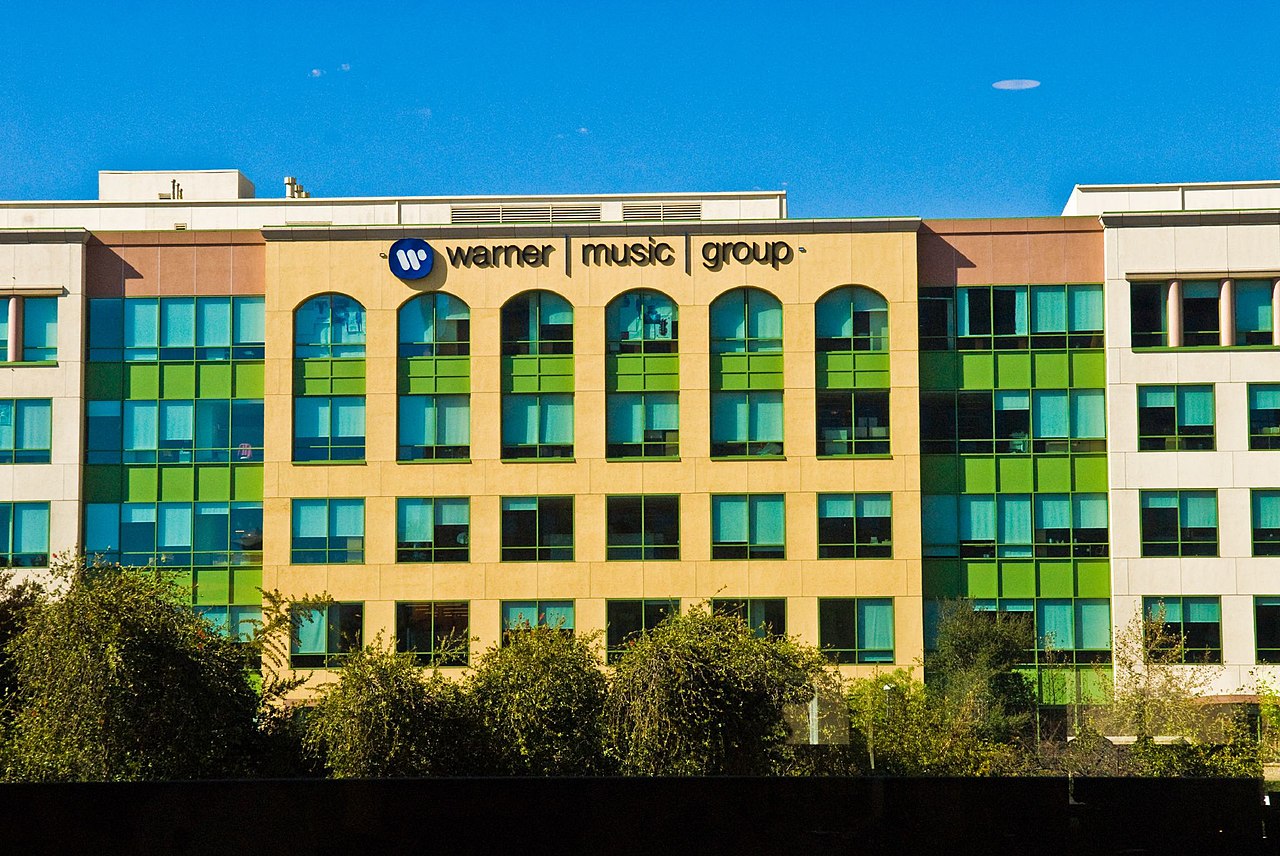
File:Warner Music Group (1).jpg


Divestiture and Rebirth
The story of Warner Music Group as a distinct entity begins with its divestiture from the media conglomerate Time Warner in 2004. This strategic move was largely driven by Time Warner's need to reduce its substantial debt load, exacerbated by its ill-fated merger with AOL. The sale, orchestrated by a consortium of private investors led by Edgar Bronfman Jr., marked a pivotal moment.
It allowed WMG to shed the constraints of a diversified media parent and focus exclusively on the music business. This independence was crucial, enabling WMG to adapt more nimbly to the rapidly changing dynamics of the music industry, particularly the burgeoning digital age, without being overshadowed by other media divisions. The transaction itself was a significant financial undertaking, signaling a new era for one of the world's largest record labels.
Corporate Identity
Following its independence, Warner Music Group embarked on a journey through different ownership structures. In 2005, it made its debut on the New York Stock Exchange, offering shares to the public and operating as a publicly traded company. This period allowed for greater transparency and access to capital markets.
However, this phase concluded in 2011 when the company was privatized through a sale to Access Industries. This return to private ownership allowed for a period of strategic restructuring and investment away from the constant scrutiny of public markets. The cycle continued in 2020 when WMG executed its second initial public offering, this time on Nasdaq.
This re-emergence as a public entity reflected a strengthened financial position and a renewed confidence in its growth trajectory within the global music ecosystem. As of 2025, Access Industries remains the principal shareholder, underscoring a long-term strategic investment.
The Powerhouse Labels and Publishing Empire
Warner Music Group's influence is deeply embedded in its portfolio of iconic record labels. These include venerable names such as Atlantic Records, Elektra Records, Reprise Records, and Warner Records, each with a rich legacy of nurturing diverse musical talent across various genres. The acquisition of Parlophone Records further expanded its global reach and catalog.
Beyond artist development and record sales, WMG commands a significant presence in music publishing through Warner Chappell Music. As one of the world's largest music publishers, Warner Chappell manages the copyrights for millions of songs, playing a critical role in licensing music for film, television, advertising, and other media. This dual strength in both recorded music and publishing provides WMG with a comprehensive and robust business model, capturing value across the entire music creation and consumption chain.
Global Reach and Industry Impact
With operations spanning over 50 countries and employing more than 4,500 individuals, Warner Music Group is a truly global enterprise. Its vast network facilitates the discovery, development, and distribution of music on an international scale. The company's multibillion-dollar annual turnover highlights its substantial economic impact on the music industry and beyond.
WMG's strategic decisions, investments in new technologies, and artist signings have a profound effect on cultural trends and the broader entertainment landscape. As one of the 'Big Three' recording companies, alongside Universal Music Group and Sony Music Entertainment, WMG plays a crucial role in setting industry standards, influencing market dynamics, and shaping the future of music consumption in an increasingly digital and interconnected world. Its continued evolution reflects the dynamic nature of the modern music business.
Go deeper
Frequently Asked Questions
What is Warner Music Group?+
Why did Warner Music Group separate from Time Warner in 2004?+
How many times has Warner Music Group been a public company?+
Who owns Warner Music Group today?+
Where does Warner Music Group work around the world?+
Based on content from Wikipedia · Licensed under CC BY-SA 4.0