

Victor Hugo: The Storyteller Who Painted Worlds with Words!
Images
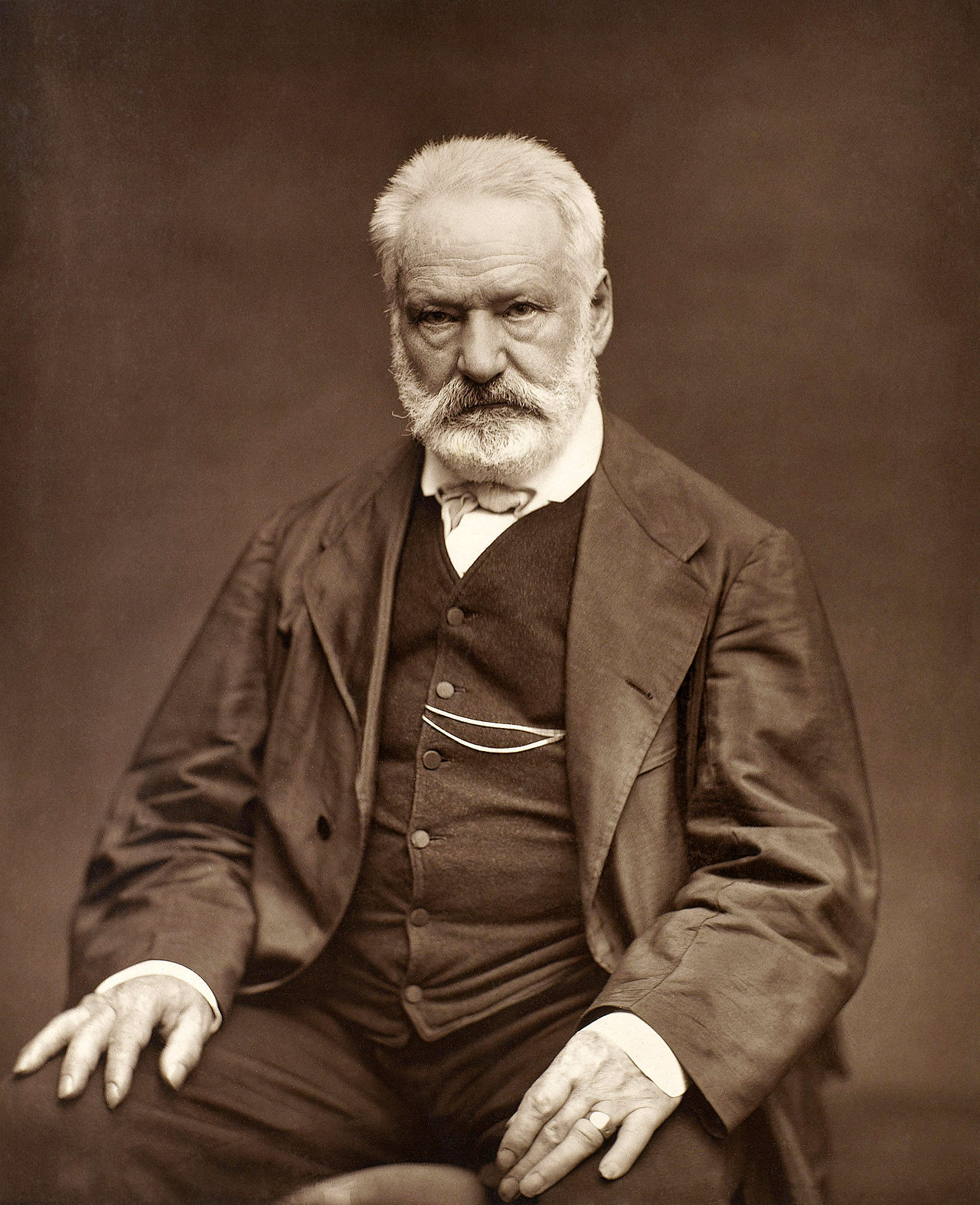
Victor Hugo
The Genesis of a Literary Colossus
Victor Hugo emerged as a central figure in the French Romantic movement, a literary and artistic revolution that prioritized emotion, imagination, and the sublime over classical restraint. His early works, including poetry collections like 'Les Châtiments' and plays such as 'Cromwell' and 'Hernani,' immediately established him as a provocative and influential voice. 'Hernani,' in particular, ignited the 'Battle of Hernani,' a legendary clash between Romantic innovators and classical traditionalists, signaling a seismic shift in French theater.
Hugo's poetry explored profound themes of love, nature, faith, and mortality with a lyrical intensity that set new standards for the genre. His prodigious output and stylistic innovation quickly cemented his reputation as a literary prodigy destined for greatness, showcasing a remarkable command of language and a deep understanding of the human psyche.
Epic Narratives of Social Conscience
Hugo's most enduring contributions to literature are undoubtedly his monumental novels, 'The Hunchback of Notre-Dame' (1831) and 'Les Misérables' (1862). 'The Hunchback of Notre-Dame' is a sweeping historical romance that not only revitalized interest in medieval architecture, particularly the cathedral itself, but also served as a powerful allegory for societal neglect and the plight of the marginalized. Quasimodo, the deformed bell-ringer, became an iconic symbol of inner beauty triumphing over outward appearance. 'Les Misérables' is an even grander tapestry, an expansive epic that delves into the depths of human suffering, redemption, and the struggle for justice in 19th-century France.
Through characters like Jean Valjean, Fantine, and Javert, Hugo masterfully explores themes of poverty, social injustice, revolution, and the possibility of moral transformation, creating a narrative that is both deeply personal and sweepingly universal. These novels are not mere entertainment; they are profound explorations of the human condition and critiques of societal failings.
From Royalist to Republican
Hugo's life was marked by a significant political evolution. Initially a staunch royalist, his views gradually shifted towards republicanism as he witnessed the social and political upheavals of his era. This transformation was fueled by his growing commitment to human rights and social justice.
He entered politics, serving as a deputy and later a senator, where he became a vocal advocate for progressive causes. Hugo was a fervent opponent of capital punishment, delivering powerful speeches against it and advocating for its abolition. He also campaigned tirelessly against slavery, viewing it as a profound moral abomination.
His literary stature lent immense weight to his political activism, making him a formidable voice for reform and a symbol of intellectual and moral opposition to tyranny and injustice.
A National Pantheon
The legacy of Victor Hugo extends far beyond his written works, permeating French culture and global consciousness. His profound impact is evident in the numerous adaptations of his novels into operas, films, and stage productions, most notably the globally successful musicals 'Les Misérables' and 'Notre-Dame de Paris.' These adaptations ensure his stories continue to reach new generations, sparking dialogue about enduring themes of love, loss, justice, and redemption. Furthermore, his artistic output included over 4,000 drawings, showcasing a multifaceted creative talent.
His death in 1885 was met with national mourning, culminating in a state funeral at the Panthéon, attended by an estimated two million people – the largest funeral in French history. This unparalleled tribute underscored his status as a national hero, revered not only for his literary genius but also for his unwavering commitment to humanitarian ideals and his role as the conscience of his nation.
Artistic and Intellectual Intersections
Beyond his celebrated literary achievements, Victor Hugo was also a prolific visual artist, creating more than 4,000 drawings throughout his life. These works, often dramatic and expressive, reveal a parallel artistic sensibility to his writing, exploring themes of landscape, fantasy, and the macabre. His drawings, like his novels, often carried a sense of grandeur and emotional intensity.
This dual artistic practice highlights Hugo's holistic approach to creativity, where visual and literary expression were intertwined. His engagement with art was not merely aesthetic; it was deeply connected to his social and political commentary. By bringing attention to the grandeur of Notre-Dame Cathedral through his writing and art, he contributed to its preservation and appreciation.
Similarly, his exploration of the lives of the marginalized in his novels and his powerful advocacy for human rights demonstrate a lifelong commitment to using his talents to illuminate societal issues and inspire change.
Go deeper
Frequently Asked Questions
Who was Victor Hugo?+
What are some of Victor Hugo's most famous books?+
Why did Victor Hugo fight against capital punishment and slavery?+
What was the Battle of Hernani?+
How did Victor Hugo's work influence movies and music?+
Based on content from Wikipedia · Licensed under CC BY-SA 4.0