

Venlo
Images
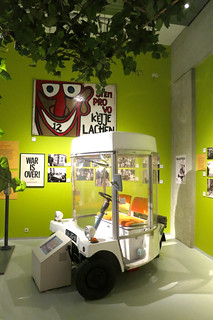
'Flower Power' Limburgs Museum Venlo


Geopolitical and Environmental Context of Venlo
Venlo occupies a strategically vital position in the southeastern Netherlands, situated within the province of Limburg and immediately adjacent to the German border. This unique location places it at a significant European crossroads, facilitating cross-border interactions and economic exchanges. The region's geography is characterized by its proximity to major river systems, historically crucial for transportation and settlement, and which continue to play a role in modern logistics.
The climate is temperate maritime, typical of Western Europe, with mild winters and warm summers, supporting a verdant landscape that influences the quality of life and local industries. The interplay between its physical geography and its position relative to major European economic powers like Germany profoundly shapes Venlo's identity and development.
Historical Trajectory and Urban Development
While specific historical events are not detailed in the provided text, Venlo's location suggests a long history as a point of transit and commerce. Cities situated on navigable rivers and near political borders often evolve from early settlements into fortified towns, market centers, and eventually industrial or service hubs. Venlo's development would likely mirror this pattern, with its growth spurred by trade routes, agricultural hinterlands, and its role in regional governance.
The municipality's current population of over 101,000 indicates a significant urban evolution from its origins. Understanding Venlo's history requires considering its role within the broader context of Dutch and German regional development, including periods of conflict, alliance, and economic integration that have shaped its infrastructure and cultural fabric.
Socio-Cultural Fabric and Demographics
Venlo is a municipality with a substantial population exceeding 101,000 residents as of early 2019. The primary language is Dutch, reflecting its national identity, though the proximity to Germany means that German is likely widely understood and spoken by many residents, fostering a bilingual or multilingual environment. The socio-cultural landscape is shaped by its position as a border city, potentially leading to a dynamic exchange of traditions, customs, and perspectives.
Daily life in Venlo is characterized by the activities of a modern European city, with residents engaged in a diverse range of professions, contributing to the local economy and community life. The city's cultural offerings and community events would reflect both its Dutch heritage and its international connections.
Economic Drivers
The economy of Venlo is heavily influenced by its strategic geographical placement. Its position near the German border and its access to river transport make it a critical node for logistics and international trade within Europe. The municipality likely serves as a major distribution and warehousing hub, facilitating the movement of goods between continental Europe and beyond.
This focus on logistics translates into significant employment opportunities in sectors such as transportation, supply chain management, and e-commerce fulfillment. Venlo's infrastructure, including road and waterway connections, is optimized to support these economic activities, making it a key player in the regional and European supply chain network. The city's economic vitality is thus intrinsically linked to its role as a gateway for commerce.
Governance and Administrative Structure
As a municipality in the Netherlands, Venlo operates under a system of local governance common to the country. This involves a municipal council elected by residents, responsible for setting local policy, and an executive board, often led by a mayor, responsible for implementing those policies and managing day-to-day affairs. The municipality is tasked with providing public services, managing urban planning, and ensuring the well-being of its citizens.
Its administrative functions are crucial for maintaining the city's infrastructure, supporting its economic activities, and fostering community development. The close proximity to the German border may also necessitate specific cross-border cooperation agreements on issues such as emergency services, environmental protection, or economic development initiatives.
See also
Frequently Asked Questions
Where is Venlo located?+
Why is Venlo a good place for trade and logistics?+
How many people live in Venlo?+
What languages do people speak in Venlo?+
What kinds of jobs do people have in Venlo?+
Based on content from Wikipedia · Licensed under CC BY-SA 4.0