

Tree Tunnels: Nature's Magical Archways
Images

Skye Enchanted Tree Tunnel main - Alex Bader




Defining the Phenomenon
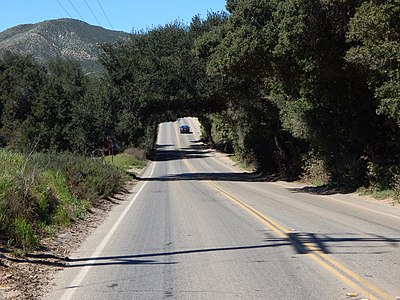
A tree tunnel is a distinct landscape feature characterized by a road, lane, or track flanked by trees whose branches extend and interlace to form a more or less continuous overhead canopy. This creates a visually striking effect, akin to a natural tunnel. The formation can be attributed to two primary mechanisms: deliberate landscaping, such as formal tree-lined avenues designed for aesthetic appeal and grandeur, or organic growth patterns in rural or natural settings where trees have naturally proliferated along a route.
The resulting arboreal archway transforms a functional pathway into an immersive environmental experience, modulating light and offering a unique sense of place. The perception of enclosure and the dappled light patterns contribute to the distinct psychological and sensory impact of traversing such a space, elevating the mundane act of passage into an encounter with natural artistry.
Formation Dynamics and Environmental Contexts
The creation of tree tunnels is a testament to the interplay between botanical growth and spatial arrangement. Formal avenues, often established on estates, parklands, or historical routes, rely on species selection and precise planting distances to ensure a uniform and predictable canopy closure. This deliberate design prioritizes symmetry and grandeur.
Conversely, rural tree tunnels often arise from the serendipitous growth of trees along existing roadways or footpaths. Over decades or centuries, trees naturally expand, their canopies eventually meeting across the path. This organic process can yield more irregular, winding, and perhaps even more characterful tunnels, reflecting the specific microclimates and historical land use of the area.
The ecological context is also crucial; the health and species of the trees directly influence the density, longevity, and visual quality of the tunnel.
Artistic Interpretations and Cultural Significance
The evocative nature of tree tunnels has long captured the imagination of artists, serving as potent subjects for visual representation. The celebrated British artist David Hockney has extensively explored this theme, with numerous paintings dedicated to the immersive experience of tree tunnels. His works, notably featured in a 2012 solo exhibition at the Royal Academy in London, highlight his fascination with the interplay of light, color, and form within these natural corridors.
Hockney's artistic engagement underscores the profound aesthetic appeal and emotional resonance that tree tunnels possess. Similarly, English landscape artist Nick Schlee has also found inspiration in these formations, contributing to a broader artistic discourse on the beauty of cultivated and wild landscapes. These artistic endeavors not only document specific locations but also elevate tree tunnels to a recognized motif in landscape art, reflecting their cultural significance as symbols of nature's beauty and tranquility.
Ecological Roles and Enduring Appeal
Beyond their aesthetic and artistic value, tree tunnels play significant ecological roles. The dense canopy provides crucial shade, moderating ground temperatures and creating microhabitats. They contribute to biodiversity by offering shelter and food sources for various organisms, from insects to birds.
Furthermore, the trees themselves enhance air quality through photosynthesis and can help mitigate soil erosion. The enduring appeal of tree tunnels lies in their ability to transform ordinary travel routes into memorable journeys, offering a unique sensory experience that connects people with the natural environment. They represent a harmonious integration of human infrastructure and natural processes, demonstrating how thoughtful design or natural evolution can create spaces that are both functional and profoundly beautiful, fostering a deeper appreciation for the living world around us.
Contemporary Relevance and Conservation
In an era increasingly focused on environmental sustainability and the integration of green spaces within urban and rural planning, tree tunnels offer valuable lessons. They exemplify the benefits of mature tree cover and the potential for creating natural corridors that enhance both human well-being and ecological health. As landscapes change due to development or climate shifts, understanding the formation and maintenance of tree tunnels becomes important.
Efforts to preserve existing tree tunnels, whether through protective landscaping practices or conservation initiatives for natural stands, are vital. Their continued existence enriches our environment, provides inspiration, and serves as a powerful reminder of nature's capacity for creating breathtaking, living architecture that has captivated humans for centuries.
See also
Frequently Asked Questions
What is a tree tunnel?+
How do tree tunnels form?+
Why are tree tunnels special for animals and insects?+
Who has painted tree tunnels?+
Do tree tunnels help the environment?+
Based on content from Wikipedia · Licensed under CC BY-SA 4.0