

Transgender: Who You Are Inside!
Images
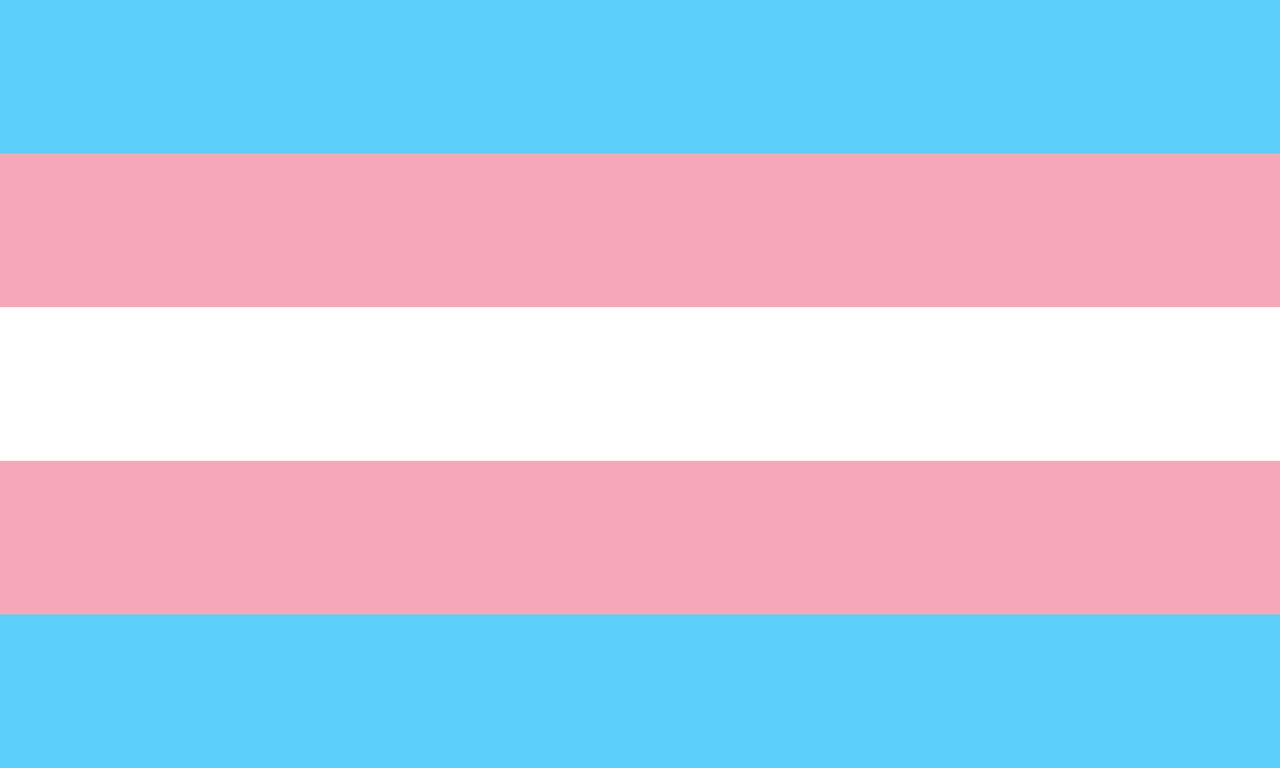
Transgender
Deconstructing Gender
The term 'transgender' is an umbrella encompassing individuals whose gender identity-their internal, deeply held sense of being male, female, both, neither, or somewhere else on the gender spectrum-differs from the sex they were assigned at birth. This distinction is critical: sex assigned at birth is typically based on observable external anatomy, while gender identity is a psychological and personal construct. For transgender individuals, this internal sense of self is a fundamental aspect of their being, not a choice or a phase.
The concept of gender itself is increasingly understood as a spectrum, influenced by a complex interplay of biological, psychological, and social factors. Understanding transgender identities requires moving beyond a rigid binary understanding of sex and gender, recognizing the validity and diversity of human experience. This internal congruence, or lack thereof, profoundly shapes an individual's sense of self and their place in the world.
A Tapestry of Time
The existence of individuals who identify and live outside the gender assigned at birth is not a modern phenomenon but a recurring theme throughout human history and across diverse cultures. Ancient civilizations often incorporated gender-variant individuals into their social and spiritual structures, with examples ranging from the Hijra of South Asia to the Two-Spirit people of Indigenous North American tribes, who held specific social roles and spiritual significance. However, with the rise of Western colonial powers and their rigid gender norms, many of these traditions were suppressed or erased.
The modern transgender rights movement gained momentum in the 20th century, fueled by increased visibility, medical advancements, and advocacy. Landmark events and figures have gradually challenged societal norms, pushing for greater understanding, legal recognition, and human rights for transgender people, though the struggle for full equality continues globally.
The Imperative of Inclusion
Acknowledging and affirming transgender identities is not merely a matter of individual rights but a cornerstone of a truly inclusive and equitable society. When transgender individuals are accepted and respected, they are empowered to live authentically, which has profound positive impacts on their mental and physical health. The societal stress and discrimination faced by transgender people contribute to disproportionately high rates of mental health challenges, homelessness, and violence.
Conversely, environments that foster acceptance and provide access to necessary resources, such as gender-affirming healthcare and legal protections, lead to improved well-being and integration. Furthermore, the presence and contributions of transgender people enrich society by broadening our collective understanding of human diversity, challenging rigid norms, and fostering greater empathy and social progress. Embracing transgender inclusion is an investment in a more just, compassionate, and vibrant world for everyone.
The Path of Transition
Transition is the multifaceted process through which transgender individuals align their lives with their gender identity. This journey is deeply personal and varies significantly from one individual to another. Social transition often involves changing one's name and pronouns (e.g., he/him, she/her, they/them), altering one's appearance through clothing and hairstyle, and coming out to friends, family, and colleagues.
Medical transition may involve hormone replacement therapy (HRT) to induce secondary sex characteristics aligned with their gender identity, and potentially gender-affirming surgeries. Legal transition includes updating legal documents like driver's licenses and passports to reflect their affirmed gender. These steps are often undertaken with the guidance of medical and mental health professionals, aiming to alleviate gender dysphoria-the distress experienced when one's gender identity does not match their sex assigned at birth-and to enable individuals to live fully and authentically.
Global Perspectives and Evolving Understanding
The understanding and acceptance of transgender identities continue to evolve worldwide. While many Western societies have seen significant advancements in legal protections and public awareness, the experiences of transgender people vary dramatically based on geographic location, cultural context, and socioeconomic factors. Some countries have enacted comprehensive non-discrimination laws and allow for self-identification of gender on legal documents, while others maintain highly restrictive policies or criminalize gender non-conformity.
The discourse surrounding transgender issues is also complex, involving ongoing debates in fields like medicine, law, sociology, and psychology. Increased visibility through media, activism, and personal storytelling has been instrumental in challenging misconceptions and fostering dialogue. However, misinformation and prejudice persist, highlighting the ongoing need for education, advocacy, and the unwavering commitment to human rights for all transgender individuals.
Go deeper
Frequently Asked Questions
What does it mean to be transgender?+
Why do transgender people sometimes feel like their outer appearance doesn’t match who they are inside?+
How have transgender people been part of history?+
What happens when transgender people are accepted and respected?+
What is transition for a transgender person?+
Based on content from Wikipedia · Licensed under CC BY-SA 4.0