

Tosca: A Dramatic Opera Adventure!
Images

Tosca (12 yrs)


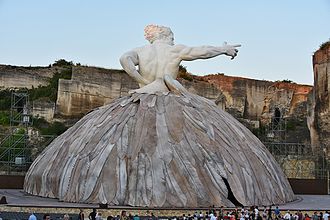


The Genesis of a Dramatic Opera
Giacomo Puccini's 'Tosca,' which premiered at the Teatro Costanzi in Rome on January 14, 1900, is a cornerstone of the operatic repertoire, renowned for its potent blend of melodrama and musical brilliance. The opera's origins lie in Victorien Sardou's highly successful 1887 French play, 'La Tosca.' Puccini, captivated by the dramatic potential of Sardou's work after seeing it in 1889, pursued the operatic rights with characteristic determination, though not without initial hesitation.
The transformation of the verbose French play into a concise Italian opera was a protracted and often contentious process, spanning four years of intense collaboration and creative friction with his librettists, Luigi Illica and Giuseppe Giacosa, and his publisher. This period of artistic struggle underscores the composer's commitment to distilling the play's essence into a powerful musical narrative. The opera's premiere occurred against a backdrop of civil unrest in Rome, a testament to its perceived cultural significance and the risks involved in its staging.
Despite a somewhat lukewarm critical reception initially, 'Tosca' rapidly achieved immense popularity with audiences, a success attributable to its gripping plot and Puccini's masterful musical setting.
Historical Crucible
The dramatic setting of 'Tosca' is intrinsically linked to the turbulent historical period of June 1800 in Rome. This era was defined by the Napoleonic Wars, with Napoleon Bonaparte's forces advancing through Italy. The Kingdom of Naples, which controlled Rome at the time, faced a significant threat to its authority.
The opera vividly portrays this atmosphere of political instability, fear, and conflict. The characters' lives are directly impacted by the shifting political landscape, with the opera depicting the consequences of war and occupation on ordinary people and those in positions of power. The narrative unfolds against a backdrop of espionage, betrayal, and the desperate struggle for survival, making the historical context not merely a passive setting but an active force shaping the characters' destinies and driving the opera's intense melodrama.
This historical grounding lends a weight and urgency to the personal dramas unfolding within the opera.
Musical Architecture
'Tosca' is a prime example of Puccini's innovative approach to operatic structure, often described as 'through-composed.' This means the music flows continuously, seamlessly integrating arias, recitatives, choruses, and orchestral passages into a unified whole, mirroring the relentless progression of the plot. Puccini masterfully employs Wagnerian leitmotifs, recurring musical phrases that identify specific characters, objects, or emotional states. These motifs act as a subtle guide for the audience, weaving a complex web of associations and foreshadowing events.
While some critics, like musicologist Joseph Kerman, have controversially labeled the opera a 'shabby little shocker' for its perceived reliance on melodrama, the sheer power and inventiveness of Puccini's score are undeniable. His genius lies in his ability to create intensely emotional music that perfectly complements the dramatic action, utilizing rich orchestration and unforgettable vocal lines to convey profound human experiences. The opera's musical fabric is a testament to his skill in balancing dramatic impact with lyrical beauty.
Enduring Resonance
The enduring popularity of 'Tosca' is a testament to its profound dramatic force and the captivating power of Puccini's score. Despite criticisms of its melodramatic elements, the opera continues to fascinate performers and audiences alike, remaining one of the most frequently staged works in the global opera calendar. Its themes of love, sacrifice, political oppression, and the desperate fight for freedom resonate deeply across generations.
The characters, though operating within a heightened operatic context, grapple with universal human emotions and dilemmas, making their struggles relatable. The sheer inventiveness of Puccini's orchestration and the soaring beauty of his arias contribute significantly to its lasting impact. The availability of numerous recordings, both studio and live, ensures that 'Tosca' continues to reach new audiences, solidifying its status as a vital and compelling work of art that transcends its historical origins and continues to provoke strong emotional responses.
Go deeper
Based on content from Wikipedia · Licensed under CC BY-SA 4.0