

Tokyo Stock Exchange
Images

Tokyo Stock Exchange


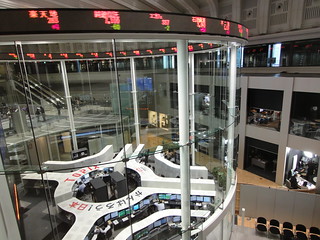


Geographic and Operational Nexus
The Tokyo Stock Exchange (TSE), known colloquially as 'Tosho,' is strategically situated in Tokyo, the dynamic capital and economic powerhouse of Japan. This location is not incidental; Tokyo serves as the primary hub for finance, commerce, and government in the nation, providing an ideal ecosystem for a major stock exchange. The TSE operates as a key component of the Japan Exchange Group (JPX), a holding company formed through a significant consolidation of Japan's major securities exchanges.
JPX itself is publicly listed, with the ticker symbol 8697, underscoring its own integration into the market it oversees. The Tokyo Stock Exchange, Inc., a wholly owned subsidiary of JPX, is responsible for the day-to-day operations, ensuring the smooth functioning of trading, clearing, and settlement processes. This hierarchical structure, with JPX as the overarching entity and TSE as the operational arm, is designed to enhance efficiency, competitiveness, and regulatory oversight within Japan's financial markets.
The physical presence in Tokyo places it at the crossroads of domestic and international financial flows, facilitating access for global investors and Japanese corporations alike.
Evolutionary Trajectory
The genesis of the modern Tokyo Stock Exchange is rooted in a series of developments aimed at modernizing Japan's financial infrastructure. While the provided text focuses on the more recent formation of the Japan Exchange Group (JPX) in 2013, it signifies a culmination of efforts to consolidate and strengthen the nation's stock markets. The JPX was officially launched on January 1, 2013, following the approval of a merger between the Tokyo Stock Exchange Group, Inc. and the Osaka Securities Exchange Co., Ltd. (now Osaka Exchange, Inc.) by the Japan Fair Trade Commission in July 2012.
This merger was a landmark event, creating a unified entity designed to streamline operations, reduce costs, and enhance the global competitiveness of Japanese financial markets. The integration aimed to create a more robust and attractive venue for both domestic and international listings and trading activities. This strategic consolidation reflects a broader trend in global finance towards creating larger, more efficient market operators capable of navigating the complexities of international capital flows and regulatory landscapes.
The Mechanics of Capital Allocation
The core function of the Tokyo Stock Exchange is to facilitate the trading of securities, primarily stocks, which represent ownership stakes in publicly listed companies. This marketplace provides a crucial mechanism for capital allocation, enabling companies to raise funds necessary for expansion, research and development, and operational growth. By issuing shares, corporations can access a broad base of investors, from individual retail traders to large institutional funds.
The price of these shares is determined by supply and demand, reflecting the market's collective assessment of a company's current performance, future prospects, and overall economic conditions. The TSE's role extends beyond mere transaction facilitation; it also plays a part in corporate governance by providing a transparent platform where company performance is continuously scrutinized. Companies listed on the exchange are subject to disclosure requirements and regulatory standards, which can influence their operational practices and strategic decisions.
The efficiency and integrity of the trading process are paramount, ensuring investor confidence and the smooth functioning of the broader economy.
Economic Impact and Strategic Importance
The Tokyo Stock Exchange is an indispensable pillar of Japan's economy, serving as a vital conduit for capital formation and investment. It empowers Japanese corporations to secure the financial resources needed to innovate, compete globally, and create employment opportunities. For investors, it offers a platform to participate in the nation's economic growth and potentially generate wealth through strategic investments.
The health and dynamism of the TSE are closely watched indicators of the overall economic sentiment and performance of Japan. The Japan Exchange Group, as the parent entity, is committed to fostering a robust and accessible market, attracting both domestic and international listings and trading volumes. This strategic importance is amplified by Japan's position as a major global economy, where efficient capital markets are essential for maintaining competitiveness and driving sustainable development.
The exchange's operations directly influence investment decisions, corporate valuations, and the flow of capital, making it a critical element in the nation's economic architecture.
Governance and Structure
The operational framework of the Tokyo Stock Exchange is defined by its ownership under the Japan Exchange Group (JPX). JPX was established through the merger of the Tokyo Stock Exchange Group and the Osaka Securities Exchange, a strategic consolidation aimed at creating a more unified and powerful financial market operator in Japan. JPX functions as a holding company, overseeing its subsidiaries, including Tokyo Stock Exchange, Inc., which manages the daily trading operations, and Osaka Exchange, Inc.
This structure allows for centralized strategic planning, regulatory compliance, and the development of integrated trading and clearing systems. The formation of JPX in 2013 was a significant step towards modernizing Japan's financial infrastructure and enhancing its global standing. The governance of JPX itself is subject to market forces, as it is a publicly traded entity, meaning its own performance and strategic decisions are scrutinized by shareholders and the broader investment community.
This integrated approach to market operation and governance is designed to ensure efficiency, transparency, and resilience in Japan's financial ecosystem.
Go deeper
Frequently Asked Questions
What is the Tokyo Stock Exchange?+
Why is the Tokyo Stock Exchange called "Tosho"?+
How does the Tokyo Stock Exchange help companies grow?+
Who runs the Tokyo Stock Exchange?+
When did the Japan Exchange Group start?+
Based on content from Wikipedia · Licensed under CC BY-SA 4.0