

Titans: The First Super-Beings!
Images
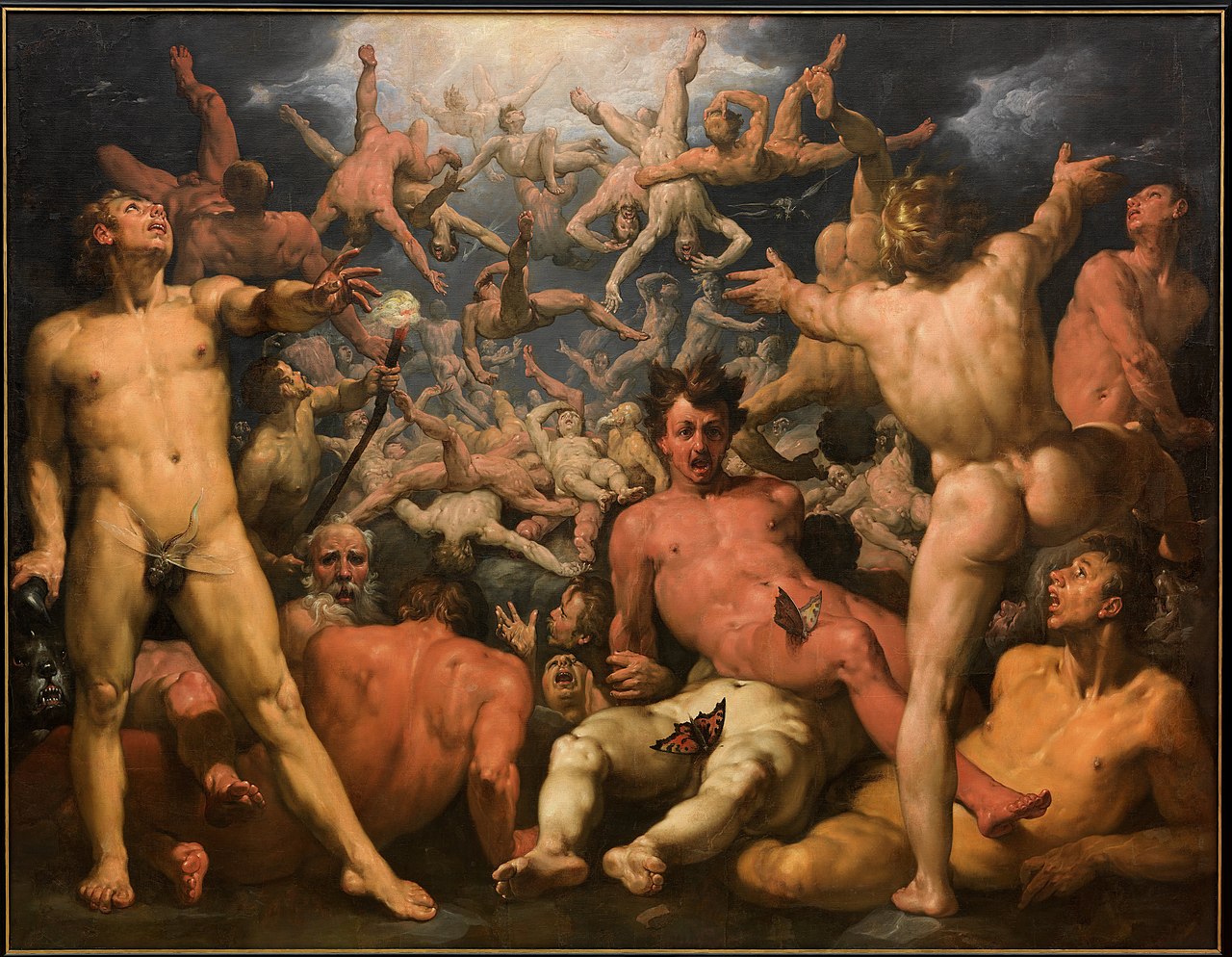
Titans
Cosmogonic Origins
The Titans represent the second generation of divine beings in Greek mythology, emerging from the primordial entities of Chaos, Gaia (Earth), and Ouranos (Sky). Their birth signifies the initial structuring of the cosmos, moving beyond formless void to tangible, personified forces. The twelve primary Titans, six male and six female (the Titanides), embodied fundamental aspects of the universe: Oceanus and Tethys (the world-ocean), Hyperion and Theia (light and the heavens), Coeus and Phoebe (intellect and prophecy), Crius and Iapetus (celestial bodies and mortality), and Cronus and Rhea (time and fertility).
Their existence predates the Olympian pantheon, establishing them as the original custodians of cosmic order. Their parentage by Gaia and Ouranos links them directly to the fundamental elements of existence, making their rule the first true epoch of divine governance, a period characterized by raw, elemental power and the establishment of natural laws.
The Tyranny of Cronus and the Seeds of Rebellion
Cronus's ascent to power, achieved through the castration of Ouranos with Gaia's instigation, marked a shift from primordial chaos to a more defined, albeit tyrannical, rule. His reign, however, was perpetually shadowed by the prophecy of his own downfall at the hands of his offspring. This existential fear led to the horrific act of devouring his children, a symbolic attempt to suppress the future and maintain absolute control.
This act of cyclical violence-son overthrowing father, father fearing son-is a central theme. Rhea's desperate act of saving Zeus and her subsequent alliance with Gaia to foster Zeus's rebellion represent a profound challenge to Cronus's authority. It highlights the inherent instability of power derived from violence and the inevitable emergence of forces that seek to overturn oppressive regimes, setting the stage for a generational conflict that would redefine divine leadership.
The Titanomachy
The Titanomachy was not merely a skirmish but a cataclysmic, decade-long war that fundamentally reshaped the divine hierarchy. The conflict pitted the established order of the Titans, led by Cronus, against the insurgent Olympians, spearheaded by Zeus. The Olympians' victory was not solely due to their own might but also to strategic alliances.
Zeus freed the Cyclopes, who forged his thunderbolts, and the Hecatoncheires (hundred-handed giants), who provided immense physical force. This war represents a transition from elemental, perhaps more chaotic, divine power to a more organized, anthropomorphic pantheon. The defeat and subsequent eternal imprisonment of the majority of the Titans in Tartarus symbolize the suppression of the old order and the establishment of the Olympian dominion, a new era of divine governance characterized by a more structured, albeit still complex, mythology and a different set of divine responsibilities.
Enduring Significance
The Titans are far more than mere mythological figures; they serve as powerful archetypes and foundational elements of Western thought and culture. They embody the raw, untamed forces of nature and the primal struggles for power, creation, and succession. Their stories explore profound philosophical concepts: the cyclical nature of time and power, the tension between order and chaos, the burden of knowledge, and the consequences of tyranny.
Figures like Prometheus, who defied the gods for humanity's sake, introduce complex ethical dimensions, questioning divine authority and highlighting the value of human progress. The Titans' legacy is evident in art, literature, and philosophy, continuing to inspire narratives about rebellion, the origins of civilization, and the enduring human fascination with the colossal and the divine. They are the bedrock upon which later mythological narratives are built, providing a crucial historical and thematic context for the Olympian gods and their interactions with the mortal world.
Go deeper
Frequently Asked Questions
Who were the Titans and why were they important?+
How many Titans were there and what did they represent?+
Why did Cronus eat his children?+
What was the Titanomachy and who won?+
Where are the Titans kept after the war?+
Based on content from Wikipedia · Licensed under CC BY-SA 4.0