

Tiber River
Images

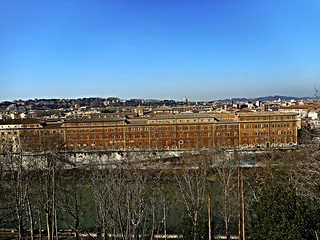
Comune di Fiumicino and the Tiber River, near Rome




Geomorphological Journey and Hydrological Dynamics
The Tiber River, originating from the Monte Fumaiolo in the Apennine Mountains, embarks on a 406-kilometer (250-mile) journey across central Italy before meeting the Tyrrhenian Sea. Its drainage basin encompasses a diverse range of geological formations, from the rugged mountain terrain where erosion is active, to the more gentle, fertile plains closer to its mouth. The river's hydrological regime is characteristic of Mediterranean climates, marked by significant seasonal variation. Winter precipitation, often in the form of rain and snowmelt at higher elevations, leads to peak flow rates, while summers are typically characterized by reduced discharge and warmer water temperatures.
This variability has historically posed challenges, including periods of drought and the risk of destructive floods, particularly as the river traverses the urban landscape of Rome. Modern engineering, including the construction of levees and dams, aims to mitigate these risks, though the river's natural dynamism remains a key characteristic.
The Tiber as the Cradle of Roman Civilization
The historical significance of the Tiber River is inextricably linked to the rise of Rome. Traditionally founded on its banks in 753 BC, Rome's strategic location provided access to freshwater and a navigable route for trade and communication. The Tiber served as the city's primary artery, facilitating the import of essential goods and the export of Roman products, thereby fueling its economic growth and expansion.
Its waters were vital for daily life, agriculture, and even defense, with numerous bridges and fortifications constructed along its course. The river's influence is evident in the city's urban planning and the placement of many iconic ancient structures, underscoring its role as the lifeblood of the nascent Roman Republic and later, the vast Roman Empire. Its presence shaped the very identity and destiny of one of history's most influential civilizations.
Cultural Resonance and Economic Evolution
Beyond its historical and geographical roles, the Tiber River has deeply permeated Italian culture. It has been a muse for artists, poets, and writers throughout the centuries, its changing moods and landscapes inspiring countless works. The riverbanks have long been spaces for social interaction, recreation, and public life in Rome.
Economically, while its importance as a primary transport route has diminished with the advent of more efficient modern infrastructure, the Tiber still holds relevance. It supports local economies through tourism, recreational activities like boating and fishing, and its waters are utilized for some industrial purposes and irrigation in the surrounding agricultural regions. Efforts are ongoing to improve water quality and enhance the river's ecological health, recognizing its continued value to both the environment and the people of Italy.
Contemporary Challenges and Future Prospects
In the modern era, the Tiber River faces a complex set of challenges and opportunities. Urbanization and industrial activity have historically led to pollution, impacting water quality and aquatic ecosystems. However, significant efforts have been made in recent decades to address these issues through improved wastewater treatment and environmental regulations. The river's potential for sustainable tourism and urban regeneration is increasingly recognized, with projects aimed at revitalizing its banks and making them more accessible and appealing to residents and visitors alike.
Balancing the river's historical legacy with the demands of a modern, growing population requires careful planning and ongoing commitment to environmental stewardship. The Tiber remains a vital natural resource, a symbol of Rome's enduring history, and a critical element of Italy's environmental landscape.
Go deeper
Frequently Asked Questions
Where does the Tiber River start?+
How long is the Tiber River?+
Why is the Tiber River important to Rome?+
What happens to the Tiber River in winter and summer?+
How is the Tiber River used today?+
Based on content from Wikipedia · Licensed under CC BY-SA 4.0