

Thomas the Tank Engine
Images

thomas the tank engine


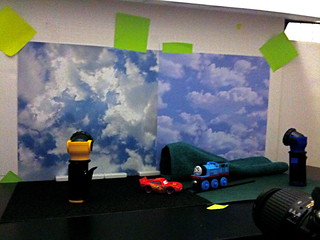

The Genesis of Sodor
Thomas the Tank Engine's narrative journey began in the post-war era of British children's literature, specifically within 'The Railway Series' penned by Reverend Wilbert Awdry and later co-authored by his son, Christopher. First published in 1945, the series was born from Awdry's desire to create engaging stories for his son, Christopher, who was recovering from illness. Thomas himself debuted in the second book, 'Thomas the Tank Engine,' in 1946, initially serving as a character for younger children within the broader railway world Awdry was constructing.
The locomotives were meticulously based on real-world designs, with Thomas drawing inspiration from the LB&SCR E2 class, a type known for its utility in shunting and short-haul duties. This grounding in reality lent an authenticity to the fantastical world of Sodor, making the engines relatable even as they developed distinct personalities and human-like traits.
The Britt Allcroft Revolution
The true catalyst for Thomas's global ascendancy was the visionary work of Britt Allcroft. In 1979, Allcroft encountered 'The Railway Series' and recognized its immense potential for visual storytelling. Her ambition was to translate the charm and educational value of Awdry's books into a compelling television format.
After securing the rights, she produced 'Thomas the Tank Engine & Friends,' which premiered in 1984. Allcroft's innovative use of model animation brought the characters to life with a tangible, endearing quality that captivated young audiences. The show's success transcended national borders, establishing Thomas as a household name and paving the way for a vast media franchise that would include spin-off series, films, merchandise, and theme park attractions, solidifying his status as a cultural icon.
Pedagogical Underpinnings and Cultural Resonance
The enduring appeal of Thomas the Tank Engine is deeply rooted in its pedagogical effectiveness and cultural resonance. The stories consistently explore themes of friendship, cooperation, problem-solving, and the consequences of actions, providing valuable life lessons in an accessible format. Thomas's character arc often involves learning from his mistakes, a narrative device that promotes resilience and the understanding that errors are opportunities for growth.
The diverse cast of engines, each with their own quirks and personalities, allows children to identify with different traits and learn about social dynamics. Furthermore, the idealized setting of the Island of Sodor, with its clear rules and the benevolent authority of the Fat Controller, offers a sense of order and security that appeals to young minds, making it a comforting and educational viewing experience.
The Engineering and Narrative of the North Western Railway
The world of Thomas the Tank Engine, centered around the North Western Railway on the fictional Island of Sodor, operates with a logic that blends realism with imaginative storytelling. As a tank locomotive, Thomas embodies a specific engineering design characterized by integrated water and fuel tanks, making him agile and well-suited for his primary roles of shunting and local passenger services. This design choice is not merely aesthetic; it reflects the practicalities of early 20th-century railway operations.
The narrative structure, often driven by the Fat Controller's directives and the engines' individual challenges, creates a microcosm of a functioning industrial enterprise. The railway itself becomes a character, a vital artery of Sodor, facilitating the movement of goods and people, and providing a consistent backdrop for the engines' personal and professional development.
Thomas's Legacy
Thomas the Tank Engine's legacy extends far beyond its initial target audience. For many adults, Thomas represents a significant part of their childhood, evoking a sense of nostalgia and fond memories. This enduring connection has allowed the franchise to adapt and evolve, introducing new characters and storylines while retaining its core values.
In an era of rapidly advancing technology and digital entertainment, Thomas's analog charm and focus on tangible, relatable experiences continue to resonate. The franchise's ability to maintain its relevance across generations speaks to the timeless nature of its themes and the universal appeal of a little blue engine who embodies the spirit of adventure and learning.
See also
Frequently Asked Questions
What is Thomas the Tank Engine?+
Where did Thomas come from?+
How did Thomas become a TV show?+
Why do the stories teach lessons?+
What kind of engine is Thomas?+
Based on content from Wikipedia · Licensed under CC BY-SA 4.0