

The Boat Race
Images

College of DuPage Engineering Club Cardboard Boat Race 2014 4




The Genesis of a Sporting Institution
The Boat Race, an annual fixture on the River Thames, represents a profound intersection of academic prestige and athletic prowess. Its origins trace back to a challenge issued by Cambridge in 1829, igniting a rivalry that has become one of the most enduring in collegiate sports. The men's race, the second oldest inter-university sporting event globally, has been a continuous tradition since 1856, punctuated only by the exigencies of global conflict and, more recently, the COVID-19 pandemic.
The evolution of the event is marked by the significant inclusion of women's rowing, with the first women's race held in 1927 and becoming an annual fixture since 1964. The modern era has seen the unification of the men's and women's races, held on the same day and course since 2015 and officially branded as 'The Boat Race' since 2018, underscoring a commitment to gender equality in this historic competition. The reserve boat races, introduced in 1965 for men and 1966 for women, further deepen the competitive landscape and provide a crucial development pathway for emerging talent.
The Thames Arena
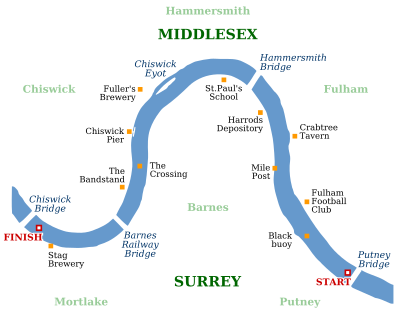
The Championship Course, stretching 4.2 miles (6.8 km) from Putney to Mortlake on the River Thames, is far more than just a waterway; it is a strategic battleground. This demanding course is over three times the length of an Olympic rowing race, requiring exceptional cardiovascular endurance and mental fortitude from the athletes. The river's tidal nature, currents, and potential for wind create variable conditions that coxswains must expertly navigate.
The coxswain, responsible for steering and motivating the crew, is a pivotal figure, making split-second decisions about racing lines and tactical maneuvers. The 'eights' themselves, sleek and powerful machines, demand absolute synchronization from the eight rowers and the coxswain, transforming individual effort into a collective surge of momentum. The precise technique, power application, and unwavering rhythm are all honed through months of rigorous training, making each race a masterclass in applied physics and human physiology.
Cultural Resonance and the 'Blues' Tradition
The Boat Race transcends its athletic dimension to hold significant cultural weight. The tradition of awarding 'Blues' to participants, with Cambridge distinguished by light blue and Oxford by dark blue, imbues the competition with a sense of heritage and honor. This visual distinction is instantly recognizable and symbolizes the culmination of years of dedication.
The event draws massive crowds, with over 250,000 spectators often lining the Thames, creating an unparalleled atmosphere of fervent support. Internationally, the race garners significant attention, with millions tuning in via television broadcasts, amplifying its global reach and influence. The cumulative wins, with Cambridge leading Oxford in the men's race since 1930 and in the women's race since 1966, add layers of historical narrative and fuel the ongoing, passionate rivalry between these esteemed institutions.
The Evolving Landscape
In contemporary times, The Boat Race continues to adapt and evolve, reflecting broader societal shifts. The integration of the women's race onto the same stage as the men's race is a powerful statement of inclusivity and equal opportunity in sport. Beyond the immediate spectacle, the race serves as a potent reminder of the enduring value of teamwork, discipline, and perseverance – qualities highly sought after in both academic and professional spheres.
The athletes, often balancing demanding academic schedules with elite athletic training, embody the ideal of the well-rounded individual. The race's continued international broadcast and significant spectator engagement underscore its status as a premier global sporting event, inspiring new generations of rowers and demonstrating the enduring appeal of a tradition that masterfully blends history, competition, and academic excellence.
See also
Frequently Asked Questions
What is The Boat Race?+
When did the first women's race take place?+
How long is the race course?+
Why do people wear light blue or dark blue?+
Who steers the boat and helps the crew?+
Based on content from Wikipedia · Licensed under CC BY-SA 4.0