

Thai Solar Calendar: Thailand's Time Machine!
Images
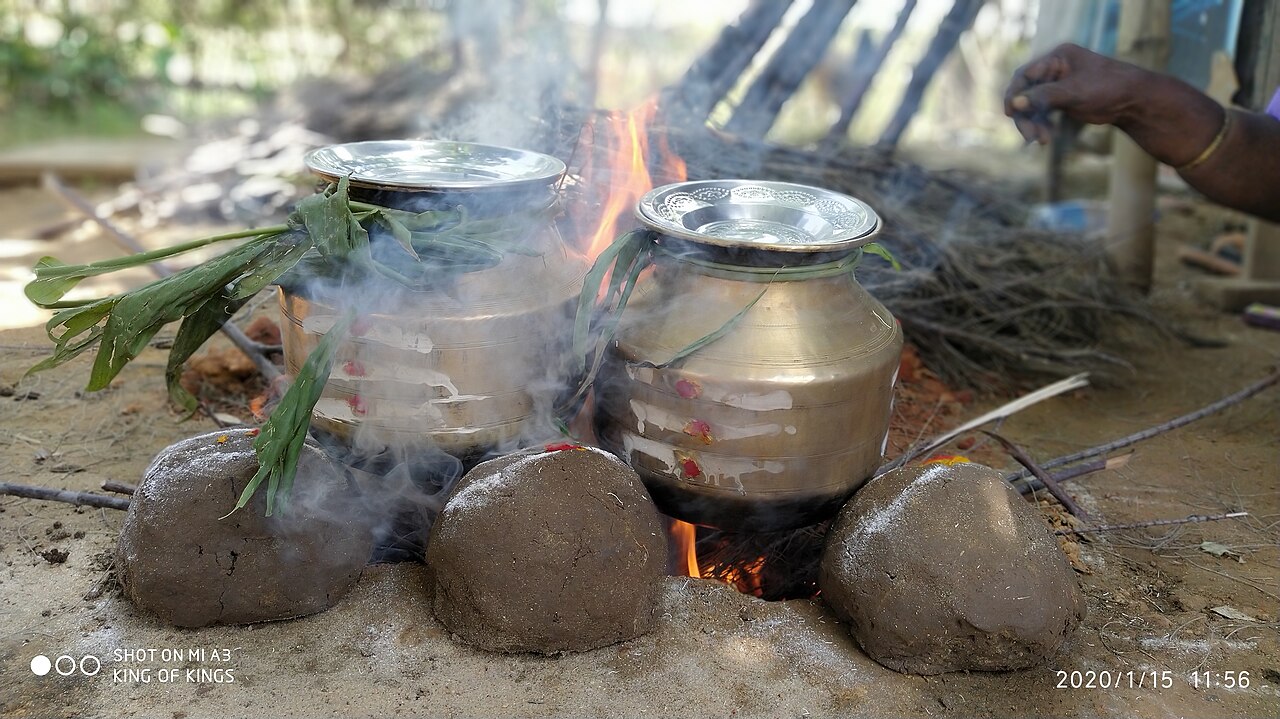
Thai Pongal
Modernization and Standardization
The Thai solar calendar, officially known as 'patithin suriyakhati thai', represents a significant milestone in Thailand's engagement with global standards. Its adoption in 1888 CE by King Chulalongkorn (Rama V) was a deliberate move towards modernizing the nation's administrative and civil systems. Prior to this, Siam primarily relied on various lunar calendars, which, while rich in cultural and religious significance, presented challenges for consistent international engagement and modern bureaucratic efficiency.
King Chulalongkorn sought to align Siam with Western temporal frameworks, facilitating trade, diplomacy, and scientific exchange. The choice of a solar calendar was pragmatic, offering a more stable and predictable system for agricultural planning and civil scheduling compared to lunar cycles. This adoption was not merely a technical change but a strategic decision reflecting Siam's growing awareness of its place in a rapidly changing world.
The Buddhist Era (B.E.)
The most distinctive feature of the Thai solar calendar is its use of the Buddhist Era (B.E.) for year enumeration. This system posits that the year of the Buddha's passing marks year 1 B.E. Since the Buddha's parinirvana is traditionally dated to 543 BCE (Before Common Era), the B.E. system is consistently 543 years ahead of the Gregorian calendar (CE).
For instance, 2024 CE corresponds to 2567 B.E. (2024 + 543 = 2567). This integration was a masterful stroke, allowing Thailand to adopt the scientifically robust solar calendar while preserving its profound cultural and religious identity. It ensured that the official calendar resonated with the populace's spiritual beliefs, fostering acceptance and smooth transition from older systems.
The B.E. system is thus a powerful symbol of national heritage embedded within a modern temporal structure.
Duality in Timekeeping
Despite the official adoption of the solar calendar for civil and administrative purposes, traditional Thai lunar calendars continue to hold significant sway in specific domains. These lunar calendars, often tied to astrological calculations and ancient traditions, remain indispensable for scheduling religious festivals, auspicious ceremonies, and personal horoscopes. This coexistence highlights a nuanced approach to timekeeping in Thailand, where modernity and tradition are not mutually exclusive but complementary.
The solar calendar provides the framework for secular life, ensuring order and efficiency in governance and commerce. Conversely, the lunar calendars preserve the spiritual and cultural rhythms of the nation, connecting contemporary Thais to their ancestral practices. This dual system allows for both global integration and the deep-rooted preservation of cultural heritage.
Impact and Applications
The Thai solar calendar serves as the foundational element for Thailand's national organization. It dictates the academic year for schools and universities, the fiscal year for government budgeting and taxation, and the operational schedules for businesses and public services. Its consistent structure facilitates long-term planning and international collaboration.
Furthermore, its widespread use ensures a shared temporal understanding across the diverse populace, simplifying communication and coordination. While the Gregorian calendar is recognized and understood, particularly in international contexts, the B.E. solar calendar remains the primary reference point for most official and daily activities within Thailand. Its adoption was a pivotal step in Siam's journey towards becoming the modern nation of Thailand.
See also
Frequently Asked Questions
What is the Thai solar calendar and why is it 543 years ahead of the Gregorian calendar?+
Why did King Chulalongkorn change Thailand’s calendar in 1888?+
How does Thailand use both a solar calendar and a lunar calendar?+
What does a year look like in the Thai calendar?+
Why is the Thai calendar called a “time machine” in the title?+
Based on content from Wikipedia · Licensed under CC BY-SA 4.0