

Thai Language
Images
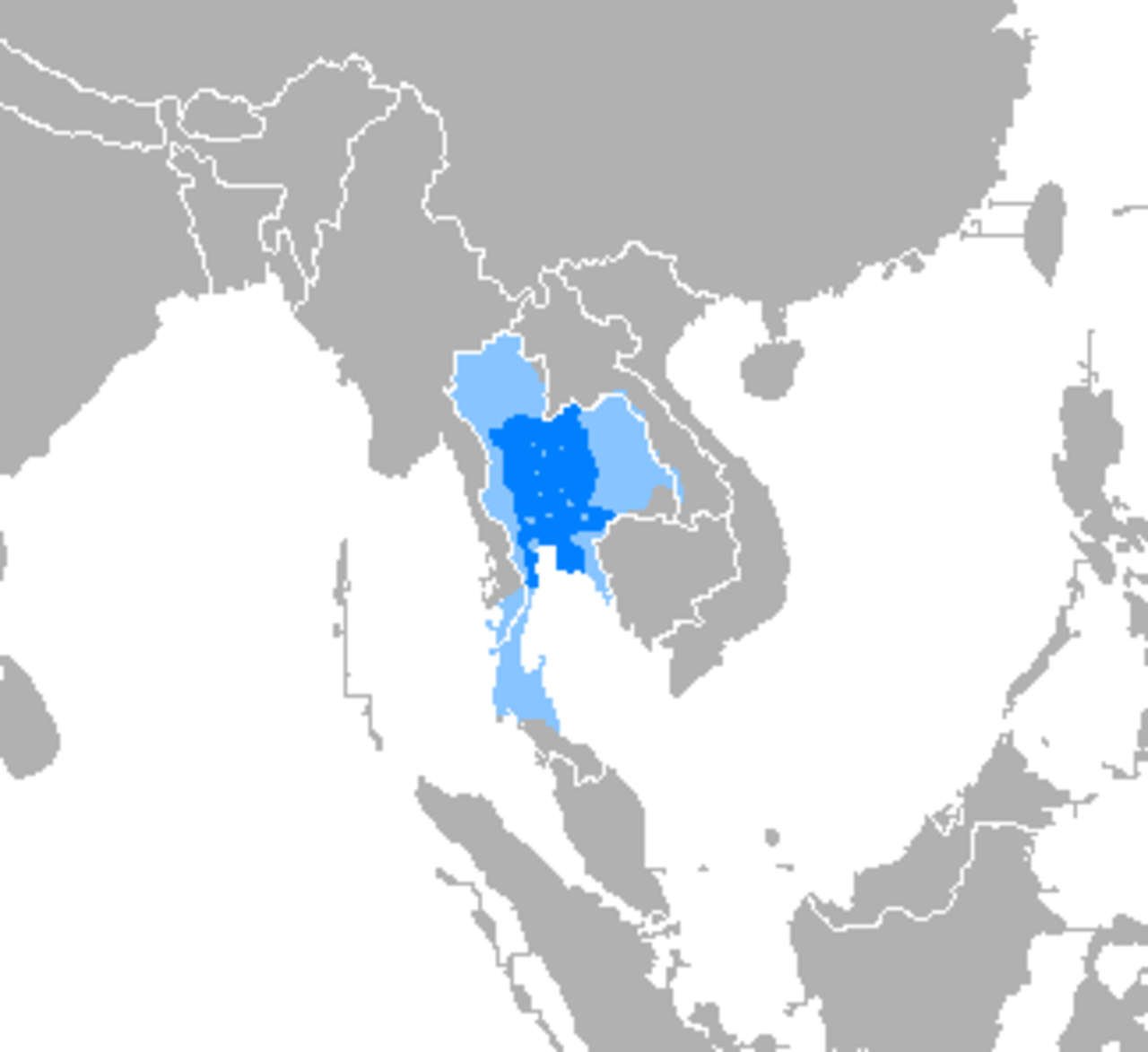
Thai language
Phonetic Nuances and Tonal Mastery in Thai
The Thai language, an official language of Thailand and a member of the Tai-Kadai family, is spoken by over 60 million people. Its most distinctive characteristic is its phonemic tonal system, featuring five distinct tones: mid, low, falling, high, and rising. These tones are not merely prosodic features but are integral to lexical meaning, meaning a single syllable like 'kha' can have multiple interpretations-ranging from 'leg' to 'to die'-depending on the tone applied.
This necessitates a high degree of auditory discrimination and precise vocal control for speakers. The language also employs a rich array of consonant clusters and vowel diphthongs, contributing to its complex phonetic landscape. Understanding these phonetic and tonal intricacies is fundamental to achieving fluency and comprehending the full spectrum of meaning in Thai communication.
Historical Trajectory
The lineage of the Thai language can be traced back to Proto-Tai, the reconstructed ancestor of the Tai languages, believed to have originated in what is now southern China. Through millennia of migration and cultural exchange, the language evolved, eventually establishing itself in the Chao Phraya River valley. The development of the modern Thai script is a pivotal moment, attributed to King Ramkhamhaeng the Great of the Sukhothai Kingdom around 1283 CE.
This script, an abugida, was heavily influenced by Khmer script, which itself derived from South Indian Brahmi scripts. Over centuries, Thai absorbed loanwords from Sanskrit, Pali, and later English, reflecting historical political and cultural interactions. This linguistic evolution showcases Thai as a dynamic entity, shaped by its environment and historical context.
The Indispensable Role of Thai in National Identity and Global Exchange
The Thai language serves as a powerful unifier and a primary vehicle for Thai national identity. It is the cornerstone of the education system, the official language of government and law, and the medium for mass media, fostering a shared sense of belonging among diverse populations within Thailand. Beyond its internal significance, Thai is increasingly important in international relations and commerce, particularly within Southeast Asia.
As Thailand plays a more prominent role on the global stage, proficiency in Thai offers distinct advantages in diplomacy, business, and cultural understanding. It provides a direct gateway to appreciating Thailand's rich literary heritage, philosophical traditions, and complex social structures, making it a language of substantial geopolitical and cultural relevance.
Deconstructing the Thai Script and Grammatical Framework
The Thai writing system is a sophisticated abugida, featuring 44 consonant symbols and 15 vowel symbols that combine to create at least 28 vowel sounds. A unique aspect is its ability to be written in multiple directions, though standard practice is left-to-right. Crucially, the script incorporates tone marks, which are essential for disambiguating words that share the same phonetic sequence but differ in tone.
Thai grammar exhibits a Subject-Verb-Object (SVO) word order, similar to English, but it lacks grammatical gender, verb conjugations, and pluralization in the way many Indo-European languages do. Instead, plurality is often indicated by context or by using numeral classifiers. The absence of verb tenses and the reliance on aspect markers and temporal adverbs further distinguish its grammatical structure, presenting a unique challenge and fascination for linguists and learners alike.
See also
Frequently Asked Questions
What is the Thai language?+
How many tones does Thai have?+
Why are tones important in Thai?+
Who created the Thai script?+
How is Thai written?+
Based on content from Wikipedia · Licensed under CC BY-SA 4.0