

Tetracycline
Images
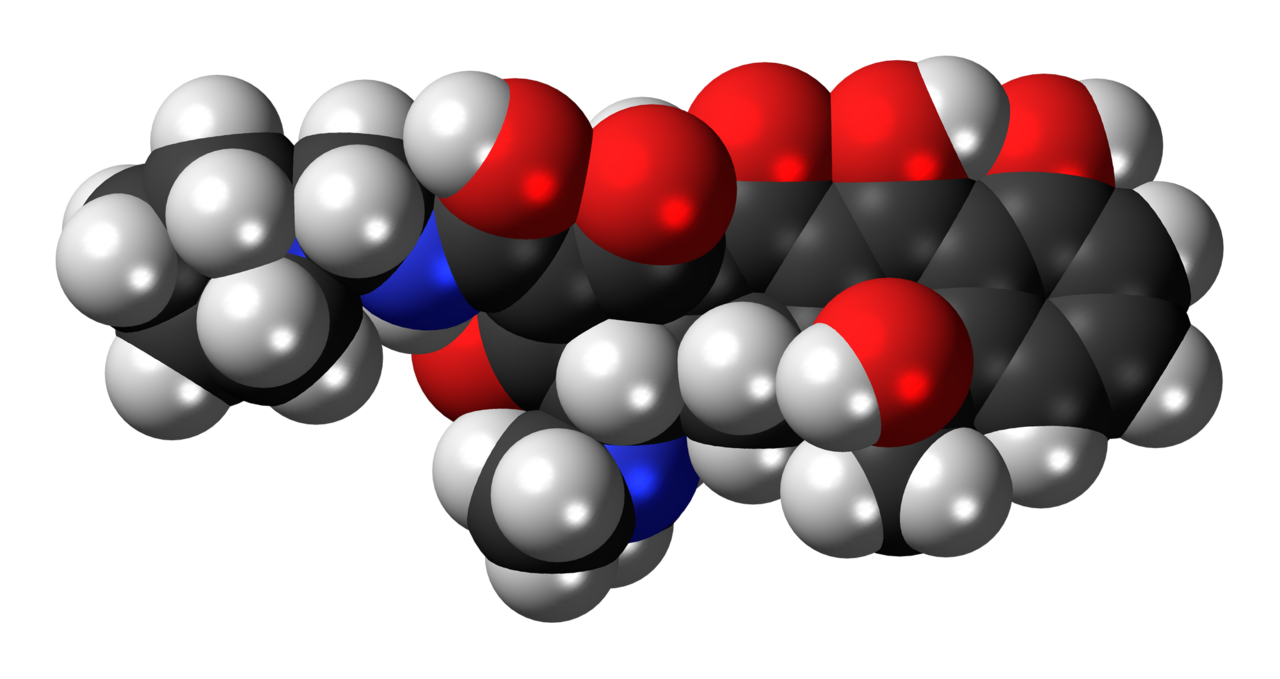
File:Rolitetracycline 3D spacefill.png


The Molecular Battleground
Tetracycline operates as a bacteriostatic antibiotic, meaning it halts the growth and reproduction of bacteria rather than directly killing them. Its primary target is the bacterial ribosome, specifically the 30S ribosomal subunit. By binding to this subunit, Tetracycline interferes with the binding of aminoacyl-tRNA to the messenger RNA (mRNA) template.
This crucial step is part of protein synthesis, the fundamental process by which bacteria build the proteins necessary for their structure, function, and replication. Without the ability to synthesize these vital proteins, bacterial proliferation is effectively arrested. This inhibition allows the host's immune system to clear the remaining bacteria more efficiently.
The specificity of Tetracycline's action against bacterial ribosomes, which differ from eukaryotic ribosomes, is key to its therapeutic utility, though it's important to note that resistance mechanisms can evolve in bacteria, posing ongoing challenges.
From Soil Microbes to Global Essential
The discovery of Tetracycline represents a significant milestone in the golden age of antibiotic research. It was first patented in 1953 by Lederle Laboratories and subsequently approved for medical use in 1954. Its origin is rooted in the natural world; it was isolated from strains of the bacterium Streptomyces aureofaciens.
This discovery highlighted the immense potential of soil microorganisms as a source of potent antimicrobial compounds. The development of Tetracycline and its subsequent widespread adoption revolutionized the treatment of bacterial infections, offering effective solutions for diseases that were previously difficult or impossible to manage. Its enduring importance is underscored by its inclusion on the World Health Organization's List of Essential Medicines, a testament to its critical role in public health worldwide and its availability as a generic medication.
A Spectrum of Applications
Tetracycline's broad-spectrum activity makes it effective against a wide range of Gram-positive and Gram-negative bacteria, as well as certain atypical organisms. This versatility has led to its prescription for numerous conditions. Historically, it has been a frontline treatment for infections such as cholera, brucellosis, plague, and syphilis.
Beyond these severe diseases, it is commonly used to manage acne vulgaris, where its anti-inflammatory properties and ability to reduce Propionibacterium acnes are beneficial. It also finds application in treating respiratory tract infections, urinary tract infections, and certain tick-borne illnesses like Lyme disease and Rocky Mountain spotted fever. Available in both oral and topical formulations, Tetracycline offers flexible treatment options tailored to specific clinical scenarios.
Considerations and Cautions
While Tetracycline is a valuable therapeutic agent, its use is associated with potential adverse effects and considerations. Gastrointestinal disturbances, including nausea, vomiting, and diarrhea, are common. A significant concern, particularly with prolonged use or in susceptible individuals, is the potential for photosensitivity, leading to exaggerated sunburn reactions.
Critically, Tetracycline can cause permanent tooth discoloration and affect bone development in children under the age of eight, making its use in this demographic highly restricted. Furthermore, its use during pregnancy can pose risks to fetal development. The emergence of antibiotic resistance is another major challenge; overuse and misuse of Tetracycline have contributed to the development of resistant bacterial strains, necessitating careful stewardship and the exploration of alternative therapies or combination treatments.
See also
Frequently Asked Questions
What is tetracycline?+
How does tetracycline stop germs?+
Why shouldn't children under 8 take tetracycline?+
Where did tetracycline come from?+
What can happen if you take too much tetracycline?+
Based on content from Wikipedia · Licensed under CC BY-SA 4.0