

Storm
Images
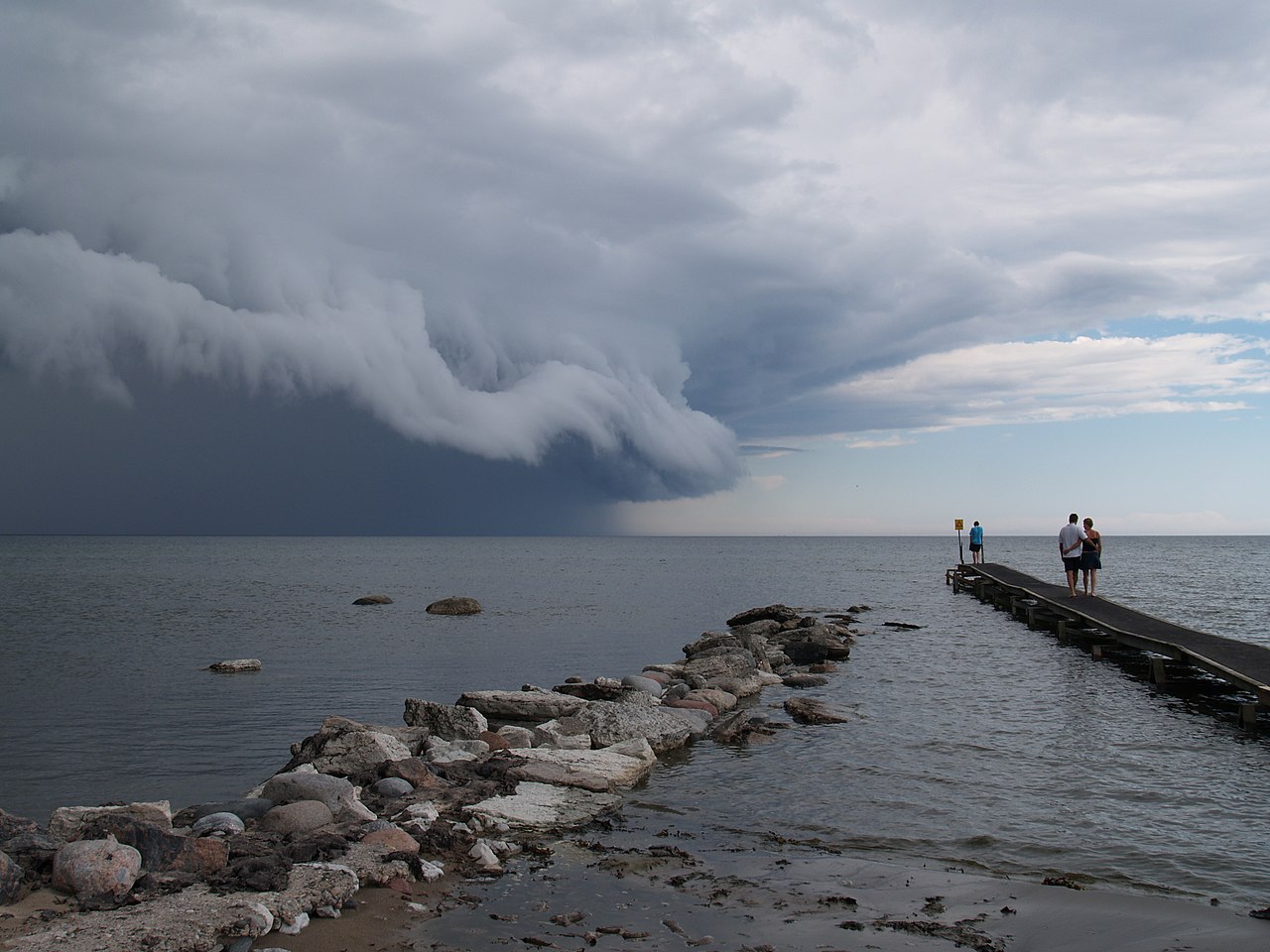
Storm
The Genesis of Atmospheric Disturbances
Storms are fundamentally a manifestation of atmospheric instability and pressure gradients. Their formation is initiated when a region of low atmospheric pressure develops, often surrounded by areas of higher pressure. This pressure differential drives air movement, generating winds.
The convergence of air masses, particularly warm, moist air rising rapidly, fuels the development of cumulonimbus clouds, the quintessential storm cloud. These towering formations are characterized by strong updrafts and downdrafts, leading to phenomena like heavy precipitation, lightning, and thunder. Smaller-scale disturbances, such as those caused by differential heating of the Earth's surface, can spawn localized phenomena like dust devils and whirlwinds, illustrating the spectrum of atmospheric energy release.
Historical and Linguistic Roots of Storm Perception
The human experience of storms is deeply embedded in our language and history. The English term 'storm' derives from the Proto-Germanic 'sturmaz,' signifying 'noise' and 'tumult,' reflecting an ancient recognition of their disruptive and audible nature. The synonym 'tempest,' of French origin, carries similar connotations of violent upheaval.
Throughout recorded history, storms have been forces of profound impact, shaping coastlines, influencing migration patterns, and posing significant challenges to human settlements and endeavors. Early civilizations often attributed storms to divine intervention, underscoring their awe-inspiring and often terrifying power. The study of storms, therefore, is not just meteorological but also anthropological, revealing how societies have perceived, adapted to, and sought to predict these natural events.
The Indispensable Role of Storms in Earth Systems
Beyond their potential for destruction, storms are integral to maintaining Earth's ecological balance and hydrological cycles. Significant rainfall events associated with storms are critical for alleviating drought conditions, replenishing aquifers, and supporting terrestrial and aquatic ecosystems. This precipitation is essential for agriculture, providing the water necessary for crop growth.
Furthermore, the distribution of heat and moisture across the globe is influenced by storm systems. While severe storms can cause damage to infrastructure and pose risks to life through phenomena like storm surge, heavy rain, and lightning, their role in water management and climate regulation is undeniable. Winter storms, for instance, enable winter sports and tourism, contributing to local economies.
Classifying the Spectrum of Storm Phenomena
Storms exhibit a wide array of forms, each governed by specific meteorological conditions. Thunderstorms are characterized by lightning and thunder, often accompanied by heavy rain or hail. Snowstorms involve significant snowfall, potentially leading to blizzard conditions. Ice storms occur when freezing rain coats surfaces in a layer of ice, causing widespread disruption.
Tropical cyclones, including hurricanes and typhoons, are large-scale rotating systems that form over warm ocean waters, driven by latent heat release, and are capable of catastrophic damage. Windstorms and dust storms, conversely, are defined by powerful horizontal winds that can transport substantial amounts of particulate matter, impacting air quality and visibility over vast areas. Understanding these classifications is key to comprehending their distinct formation mechanisms and impacts.
Modern Relevance and Predictive Science
In contemporary society, the study of storms is more critical than ever due to increasing urbanization and the potential impacts of climate change. Advanced meteorological tools, including Doppler radar, satellites, and sophisticated computer models, allow scientists to track storm development and issue warnings with greater accuracy. This predictive capability is vital for mitigating loss of life and property damage. Research into storm dynamics also informs urban planning, infrastructure design, and disaster preparedness strategies.
Understanding the complex interplay of atmospheric forces allows us to better anticipate and respond to the challenges posed by severe weather events, enhancing resilience in vulnerable communities and contributing to global climate monitoring efforts.
Go deeper
Based on content from Wikipedia · Licensed under CC BY-SA 4.0