

Soot: The Tiny Black Bits!
Images
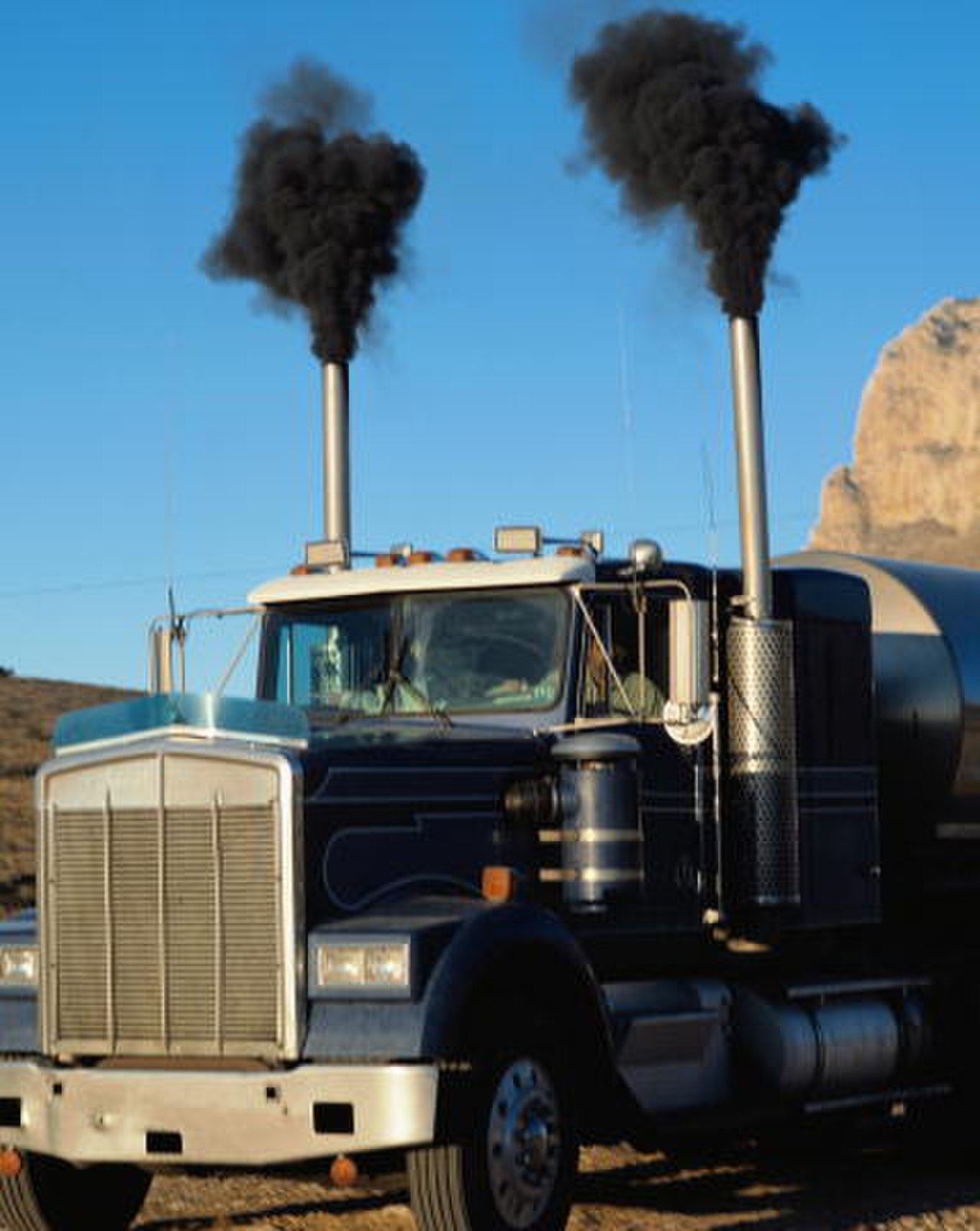
Soot
The Chemistry and Physics of Soot Formation
Soot, often referred to as black carbon (BC), is a complex aerosol comprising primarily carbonaceous particles formed through the incomplete combustion of organic materials. Its formation is a multi-step process involving fuel pyrolysis, initial particle inception, surface growth, and aggregation. Hydrocarbons in fuels undergo thermal decomposition, leading to the formation of polycyclic aromatic hydrocarbons (PAHs). These PAHs then nucleate to form nascent soot particles, which subsequently grow through surface reactions and coagulation.
The morphology of soot particles is typically spherical primary particles that aggregate into chain-like structures, significantly influencing their optical and physical properties. The composition is not purely carbon; it often includes adsorbed organic compounds, sulfates, nitrates, and trace metals, which can alter its reactivity and environmental behavior. Factors such as fuel type, combustion temperature, oxygen availability, and residence time critically dictate the yield and characteristics of soot produced.
A Historical Perspective on Soot and Industrialization
The anthropogenic production of soot has a long and intertwined history with human civilization, escalating dramatically with industrialization. Early human societies utilized fire, leading to localized soot deposition. However, the advent of the Industrial Revolution, powered by coal combustion, marked a significant turning point.
The widespread use of coal in factories, steam engines, and domestic heating led to unprecedented levels of atmospheric soot, causing severe urban air pollution and 'pea-souper' fogs in cities like London. Subsequent transitions to oil and natural gas, while often cleaner, still generate soot. The legacy of this historical pollution is evident in environmental archives, such as ice cores, which reveal increasing soot concentrations corresponding to periods of intense industrial activity.
Understanding this historical trajectory is crucial for appreciating the scale of the challenge and the evolution of mitigation strategies.
The Profound Environmental and Health Ramifications of Soot
Soot's impact extends far beyond visual pollution. As a potent absorber of solar radiation, black carbon is a significant short-lived climate forcer, contributing to atmospheric warming and altering regional weather patterns. When deposited on snow and ice, soot lowers their albedo, accelerating melting and exacerbating sea-level rise and freshwater scarcity.
In the atmosphere, soot particles can act as cloud condensation nuclei, influencing cloud formation, precipitation, and atmospheric radiative balance. From a health perspective, soot is a major component of fine particulate matter (PM2.5), which poses severe risks. Inhalation of these particles can penetrate deep into the respiratory system and bloodstream, leading to increased incidence of cardiovascular and respiratory diseases, including asthma, bronchitis, heart attacks, and lung cancer.
Epidemiological studies consistently link exposure to soot with elevated mortality rates and reduced life expectancy, particularly in urban and industrialized areas.
Mechanisms of Soot's Influence on Climate and Health
The radiative forcing of soot is primarily due to its strong absorption of visible and near-infrared light. This absorption heats the surrounding air, leading to warming. When soot is present in the atmosphere, it can alter the Earth's energy budget.
Its interaction with clouds is complex; it can either warm the atmosphere by absorbing radiation or cool the planet by suppressing cloud formation or altering cloud properties. The health impacts are mediated by the physical and chemical properties of soot particles. Their small size allows them to evade the body's natural defenses and reach the alveoli in the lungs.
Once there, they can induce oxidative stress, inflammation, and damage to cellular structures. Furthermore, the PAHs and heavy metals adsorbed onto soot particles can have direct toxicological effects, contributing to genotoxicity and carcinogenicity. The synergistic effects of soot with other pollutants can further amplify these adverse outcomes.
Global Sources, Transport, and Mitigation Strategies
Soot emissions originate from diverse sources globally, including incomplete combustion from diesel engines, residential wood burning, industrial processes, agricultural burning, and wildfires. These particles can be transported over long distances by atmospheric circulation patterns, meaning emissions from one region can impact air quality and climate in another. Mitigation strategies focus on reducing emissions at the source.
This includes implementing stricter emission standards for vehicles and industrial facilities, promoting cleaner cooking and heating technologies in households, improving forest management to reduce wildfire intensity, and developing advanced combustion techniques that enhance fuel efficiency and minimize soot formation. Research into novel capture technologies and the development of alternative energy sources are also critical components of a comprehensive approach to tackling the pervasive issue of soot pollution.
Go deeper
Based on content from Wikipedia · Licensed under CC BY-SA 4.0