

Sodium chloride
Images
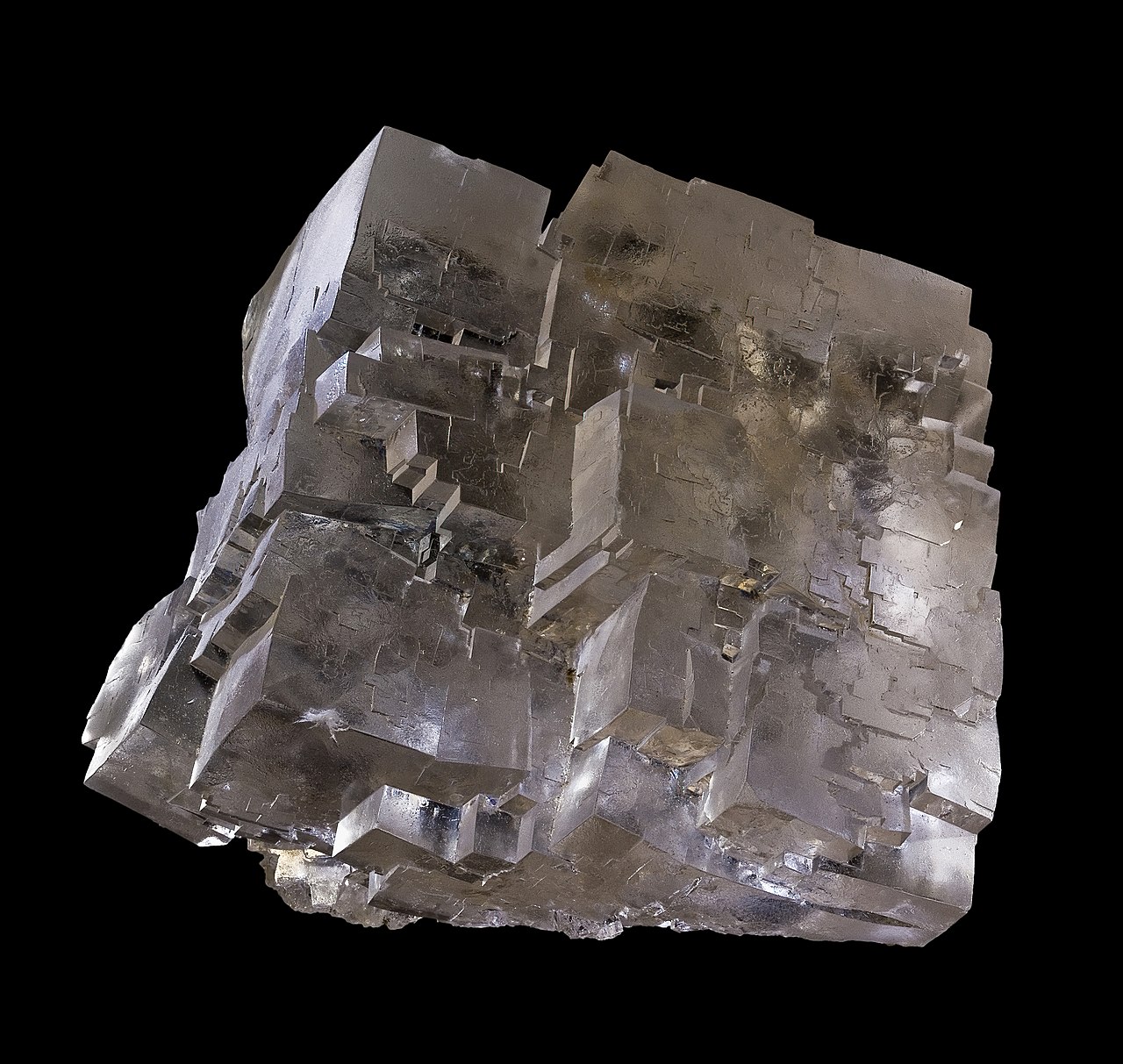
Sodium chloride


The Chemistry and Crystallography of NaCl
Sodium chloride (NaCl) is a quintessential ionic compound, characterized by a stable crystal lattice structure formed by the electrostatic attraction between sodium cations (Na+) and chloride anions (Cl-). Each ion is surrounded by six ions of the opposite charge in a cubic arrangement, resulting in the characteristic cubic crystal habit observed in halite. This structure contributes to its transparency, brittleness, and relatively high melting point (801 °C).
Its hygroscopic nature, the tendency to absorb atmospheric moisture, is due to the strong affinity of the ions for water molecules, which can lead to deliquescence if the ambient humidity is sufficiently high. This property is both a challenge in handling and a useful characteristic in certain applications, like desiccants, though less common than other drying agents. The 1:1 stoichiometry is fundamental to its chemical identity and its role as a primary source of sodium and chlorine ions.
Salt's Enduring Legacy
Historically, sodium chloride has been far more than a simple seasoning; it was a cornerstone of ancient economies and societal development. Its preservative qualities were revolutionary, enabling long-term food storage, which facilitated exploration, military campaigns, and the growth of settled civilizations by mitigating spoilage. The control of salt production and trade routes often dictated the wealth and power of empires, leading to the establishment of extensive salt roads and the taxation of salt as a major source of revenue.
The very word 'salary' originates from the Latin 'salarium,' referring to the payment given to Roman soldiers to purchase salt, underscoring its monetary value. The strategic importance of salt has shaped human migration, settlement patterns, and geopolitical dynamics for millennia.
Biological Imperative and Industrial Versatility
The necessity of sodium chloride for life is profound. In biological systems, sodium and chloride ions are critical electrolytes that maintain fluid balance, regulate blood pressure, and are essential for nerve impulse transmission and muscle contraction. The human body requires a delicate balance of these ions, and imbalances can lead to serious health issues.
Beyond its biological role, NaCl is an indispensable feedstock in the chemical industry. The chlor-alkali process, which involves the electrolysis of brine (concentrated NaCl solution), is one of the largest industrial chemical processes globally. It yields chlorine gas (Cl2), sodium hydroxide (NaOH), and hydrogen gas (H2), all of which are fundamental to the production of plastics (like PVC), pharmaceuticals, disinfectants, paper, textiles, and aluminum.
Its application in de-icing roads is also a significant, albeit seasonal, use, leveraging its ability to depress the freezing point of water.
The Science of De-icing and Chemical Synthesis
The efficacy of sodium chloride in de-icing is a direct consequence of its behavior in solution. When NaCl dissolves, it dissociates into Na+ and Cl- ions, which disrupt the hydrogen bonding network of water molecules, hindering the formation of the ordered crystalline structure of ice. This phenomenon, known as freezing point depression, means that a saline solution will remain liquid at temperatures below 0°C.
The extent of this depression is a colligative property, dependent on the total concentration of solute particles. Industrially, the chlor-alkali process is a prime example of NaCl's chemical utility. Electrolysis of aqueous NaCl produces chlorine, a powerful oxidizing agent used in sanitation and chemical synthesis, and sodium hydroxide (caustic soda), a strong base vital for numerous industrial applications, including pulp and paper manufacturing and soap production.
Understanding these processes highlights NaCl's foundational role in modern manufacturing and infrastructure.
Go deeper
Frequently Asked Questions
What is sodium chloride and why do we use it as table salt?+
How does sodium chloride help keep our bodies healthy?+
Why was salt so important to ancient civilizations?+
How does salt help melt ice on roads?+
What does the salt crystal look like and why is it brittle?+
Based on content from Wikipedia · Licensed under CC BY-SA 4.0