

Sinusitis
Images

Odontogenic sinusitis


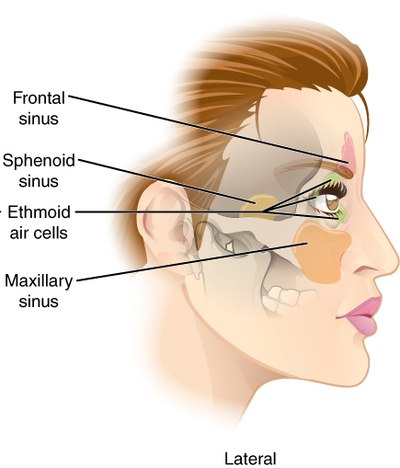


The Sinus Cavities
The paranasal sinuses are air-filled cavities within the bones of the skull, connected to the nasal cavity. They include the frontal, maxillary, ethmoid, and sphenoid sinuses. Lined with respiratory epithelium, their primary functions are thought to include reducing skull weight, acting as resonating chambers for voice, and warming and humidifying inhaled air.
Crucially, they produce mucus that traps particulate matter and pathogens, which is then propelled by cilia towards the nasal cavity for clearance. This delicate balance is disrupted in sinusitis, leading to a cascade of inflammatory responses and impaired drainage.
Etiology of Sinusitis
The vast majority of acute sinusitis cases, estimated at 90-98%, are viral in origin, often stemming from upper respiratory infections like the common cold. These viruses trigger an inflammatory response that can lead to edema of the sinus mucosa and obstruction of the osteomeatal complex (the drainage pathways). This obstruction creates an anaerobic environment conducive to secondary bacterial proliferation, though bacterial sinusitis is less common than viral.
Other significant contributors include allergies, which cause IgE-mediated inflammation and histamine release, leading to mucosal swelling and increased mucus production. Environmental irritants like smoke and air pollution, structural abnormalities (e.g., deviated septum, nasal polyps), and impaired immune function (e.g., in cystic fibrosis, immunodeficiency) also play crucial roles in susceptibility and chronicity.
Clinical Manifestations and Diagnostic Pathways
Symptoms of sinusitis typically include nasal congestion, purulent nasal discharge, facial pain or pressure, and a reduced sense of smell (hyposmia). Fever may also be present. Diagnosis is primarily clinical, based on symptom duration and severity. Acute sinusitis is defined by symptoms lasting less than four weeks, subacute between four and twelve weeks, and chronic sinusitis persisting for 12 weeks or longer.
Diagnostic confirmation often involves rhinoscopy or nasal endoscopy to visualize the nasal cavity and sinus ostia. Radiologic imaging, such as CT scans, is generally reserved for chronic cases or when complications are suspected, as it provides detailed anatomical information and can identify mucosal thickening, polyps, or fluid accumulation.
Management Strategies
The management of sinusitis varies based on its type and severity. For acute viral sinusitis, watchful waiting is the recommended initial approach, with symptomatic relief provided by analgesics (like naproxen), nasal corticosteroids to reduce inflammation, and saline nasal irrigation. Antibiotics are reserved for cases with clear signs of bacterial infection (e.g., persistent symptoms beyond 7-10 days, high fever, severe pain) and are typically initiated with amoxicillin or amoxicillin/clavulanate.
Chronic sinusitis management is more complex, often involving long-term nasal corticosteroids, saline irrigation, and potentially antibiotics. Surgical intervention, such as Functional Endoscopic Sinus Surgery (FESS), may be considered for patients with chronic disease who have failed medical therapy, aiming to widen the sinus drainage pathways and remove obstructive tissue.
Public Health Implications and Economic Burden
Sinusitis is a highly prevalent condition, affecting an estimated 10-30% of the population annually in developed countries like the United States and Europe. Its impact extends beyond individual discomfort, contributing significantly to healthcare utilization and economic costs. The management of sinusitis in the US alone incurs billions of dollars annually in direct medical costs and lost productivity.
Understanding the multifactorial nature of sinusitis, from its infectious origins to its chronic inflammatory pathways, is crucial for developing effective prevention strategies, optimizing treatment protocols, and mitigating its substantial public health and economic burden. Research continues into novel therapeutic targets and improved diagnostic tools.
See also
Frequently Asked Questions
What is sinusitis?+
Why does my nose feel so blocked when I have a cold?+
How do doctors check if I have sinusitis?+
What can I do at home to feel better?+
Do I always need antibiotics for sinusitis?+
Based on content from Wikipedia · Licensed under CC BY-SA 4.0