

Sint Maarten
Images
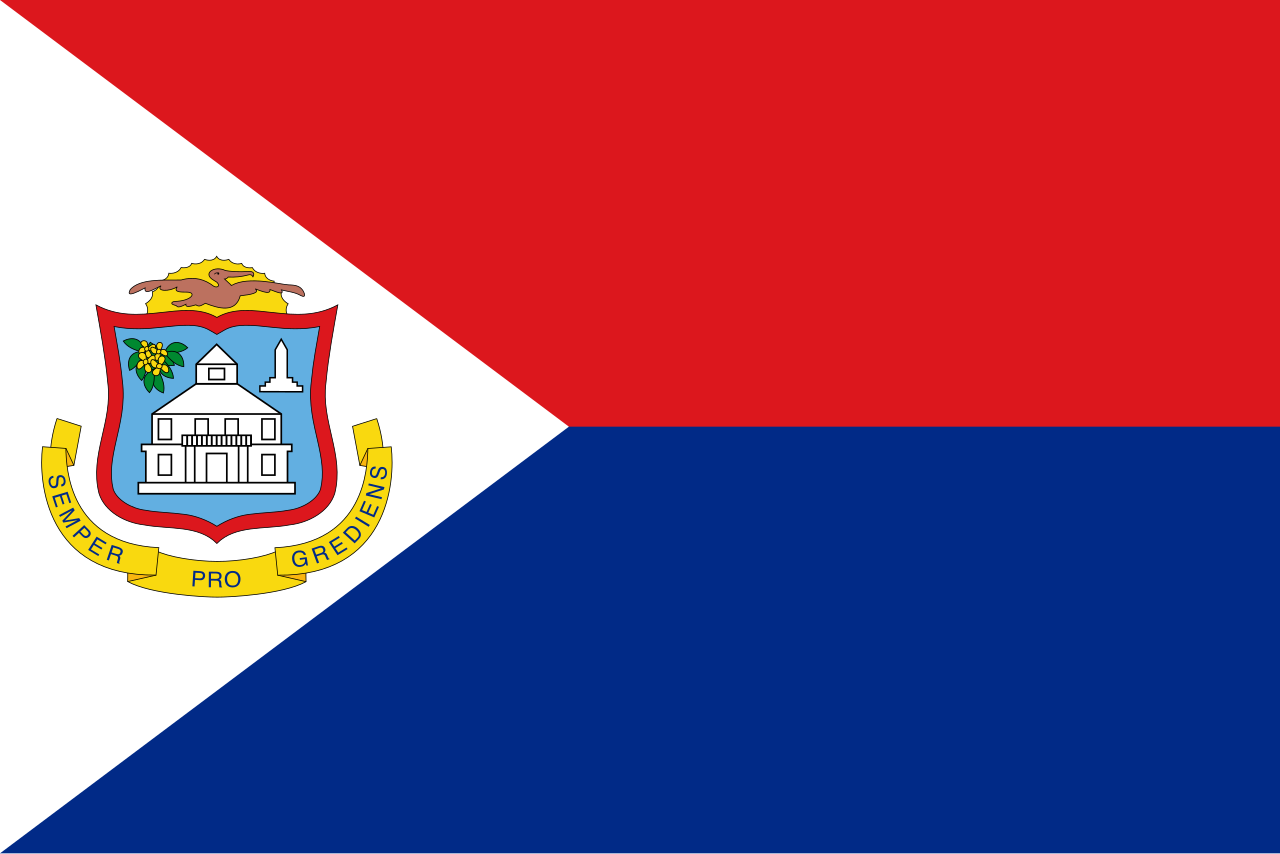
Flag Of Sint Maarten


Opens Google Maps in new tab
Geographical Duality and Caribbean Context
Sint Maarten occupies the southern 44% of the island of Saint Martin, a unique geographical entity in the northeastern Caribbean Sea, part of the Lesser Antilles. Its northern 56% constitutes the French overseas collectivity of Saint Martin, creating an island divided between two sovereign entities. This geopolitical arrangement is a defining characteristic, fostering a distinct cultural and economic landscape on the Dutch side.
The island's climate is tropical marine, characterized by warm temperatures and trade winds year-round, with a distinct wet season. Its relatively small landmass of 34 square kilometers necessitates careful resource management and highlights the importance of its coastal environment. The capital, Philipsburg, is situated on Great Bay, a significant hub for commerce and tourism, reflecting the island's economic reliance on its strategic location and natural beauty.
A Legacy of Shared Sovereignty and Evolving Autonomy
The history of Sint Maarten is marked by its unique dual-nation status, a legacy stemming from a 1648 treaty between the Dutch and French. This historical agreement established the peaceful division of the island, a remarkable feat of diplomacy that has endured for centuries. Prior to October 10, 2010, Sint Maarten existed as an Island Territory within the Netherlands Antilles.
Its subsequent transformation into a constituent country of the Kingdom of the Netherlands signifies a significant evolution in its political status, granting it greater autonomy while maintaining ties to the Dutch Crown. This transition reflects a broader trend of self-determination among Caribbean territories. The island's history is also punctuated by external factors, such as the devastating impact of Hurricane Irma in 2017, which underscored the vulnerability of small island developing states to climate-related events and the resilience of its population.
Cultural Tapestry and Societal Dynamics
The population of Sint Maarten, numbering approximately 58,477 as of June 2023, is a vibrant mosaic of ethnicities and nationalities, a direct result of its history as a trading post and its appeal as a tourist destination. This multiculturalism is a cornerstone of Sint Maarten's identity, influencing its traditions, cuisine, and social interactions. While Dutch is the official language, English serves as the lingua franca, facilitating communication with the diverse population and international visitors.
The presence of French on the neighboring territory also contributes to a unique linguistic and cultural blend. The capital, Philipsburg, serves as a microcosm of this diversity, with its bustling markets, varied architecture, and a dynamic social scene that reflects influences from across the globe.
Economic Pillars
Sint Maarten's economy is overwhelmingly driven by tourism, capitalizing on its pristine beaches, clear waters, and warm climate. The island is a popular destination for cruise ships and stay-over tourists, generating significant revenue through hospitality services, retail, and entertainment. Philipsburg, the capital, is a key center for these activities, featuring duty-free shopping and a vibrant waterfront.
Beyond tourism, Sint Maarten also plays a role in international trade, acting as a transshipment point for goods. However, this heavy reliance on tourism makes the economy susceptible to external shocks, such as global economic downturns or natural disasters, as evidenced by the impact of Hurricane Irma. The country's status as an Overseas Country and Territory (OCT) of the European Union also influences its trade relations and access to development funds.
Governance Framework and International Relations
As a constituent country within the Kingdom of the Netherlands, Sint Maarten operates under a parliamentary democratic system. It possesses a high degree of autonomy in managing its internal affairs, with a Governor appointed by the Dutch Crown and a Prime Minister leading the government. Key policy areas such as education, healthcare, and economic development are managed domestically.
However, the Kingdom of the Netherlands retains responsibility for defense and foreign affairs, though Sint Maarten has some input on matters affecting it directly. Its status as an Overseas Country and Territory (OCT) of the European Union means it has a special relationship with the EU, participating in certain EU programs and benefiting from trade arrangements, while not being a full member state. This complex governance structure balances self-determination with integration into a larger political entity.
Educational Landscape and Future Development
The educational system in Sint Maarten aims to provide comprehensive learning opportunities for its residents, preparing them for both local and international contexts. The system is structured with primary, secondary, and tertiary levels of education, largely following the Dutch model but adapted to the local environment. English is the primary language of instruction in many institutions, reflecting its role as the lingua franca.
The country faces challenges common to small island developing states, including limited resources and the need to align educational outcomes with the demands of its primary economic sector, tourism, as well as emerging industries. Efforts are made to foster specialized training in hospitality, business, and technical fields. Sint Maarten also participates in educational exchange programs within the Kingdom of the Netherlands, offering its students opportunities to study abroad and gain broader perspectives, contributing to the development of a skilled workforce for the island's future.
See also
Frequently Asked Questions
What is Sint Maarten?+
Why is the island split between Dutch and French?+
Where is the capital Philipsburg?+
What do people in Sint Maarten do for work?+
What languages do people speak in Sint Maarten?+
Based on content from Wikipedia · Licensed under CC BY-SA 4.0