

Simo Häyhä: The White Death
Images
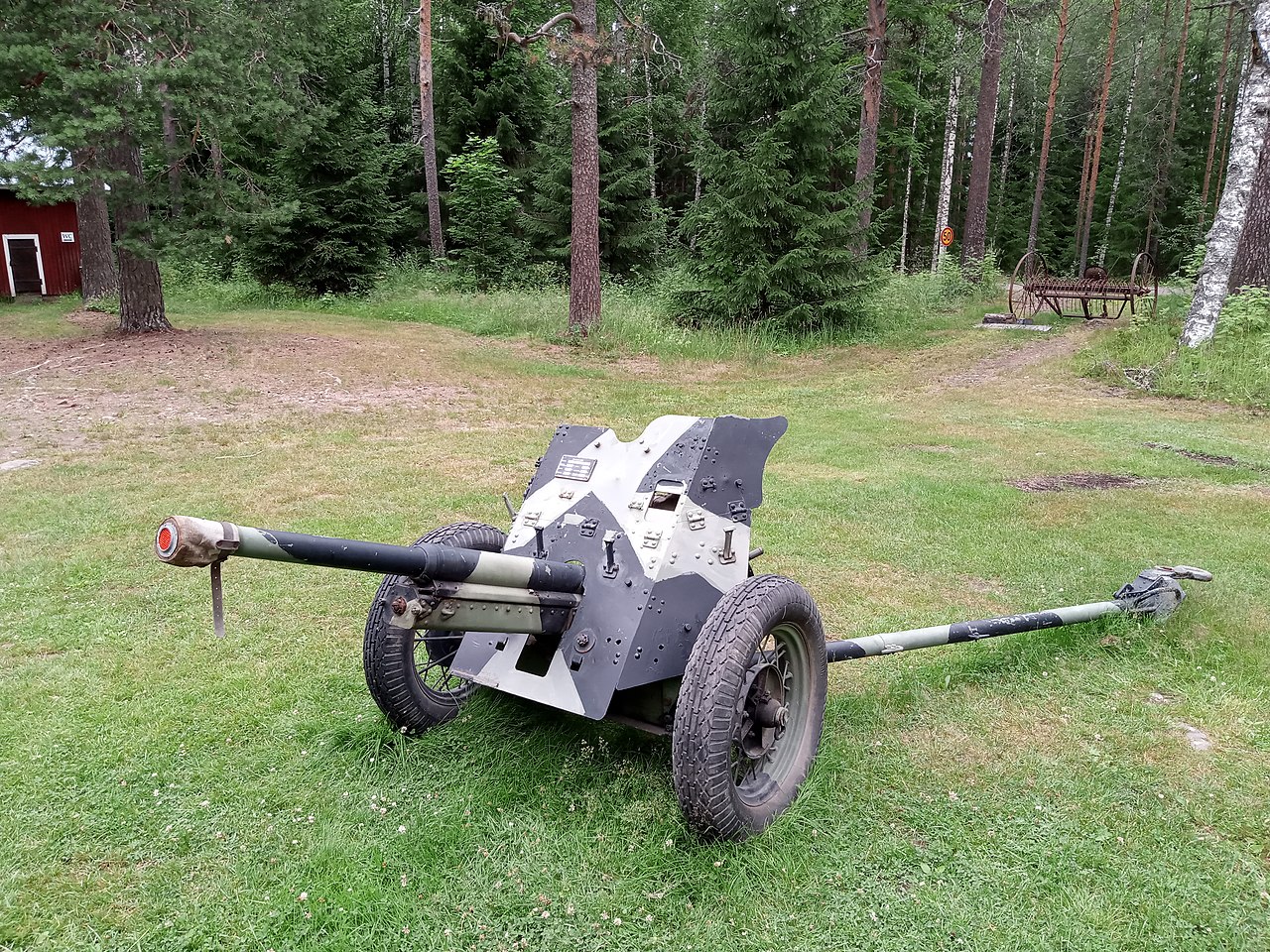
Kollaa and Simo Häyhä Museum - Sino Yu - 20220710 151209 05


The Genesis of 'The White Death'
Simo Häyhä's emergence as a legendary figure is intrinsically linked to the desperate circumstances of the Winter War (1939-1940). Facing an overwhelming Soviet invasion, Finland relied on the ingenuity and resilience of its soldiers. Häyhä, a farmer by trade, brought a unique set of skills honed by a life in the Finnish countryside to the battlefield.
His intimate knowledge of the terrain, his exceptional physical conditioning, and his innate ability to remain undetected were paramount. He embraced the harsh winter environment, using snowdrifts for cover and camouflage, and often foregoing telescopic sights on his M/28-30 rifle to avoid glare, opting instead for simple iron sights. This meticulous attention to detail, combined with his calm demeanor under extreme pressure, allowed him to operate with devastating effectiveness, earning him the ominous moniker 'The White Death' from his adversaries.
Tactical Prowess and Weaponry
Häyhä's tactical approach was a masterclass in asymmetric warfare. He understood that direct confrontation with the numerically superior Soviet forces was untenable. Instead, he employed hit-and-run tactics, utilizing his sniper skills to inflict maximum casualties while minimizing his own exposure.
He would often prepare his positions meticulously, sometimes digging into snowbanks to create a stable shooting platform and conceal his presence. His preferred rifle, the Finnish M/28-30, a variant of the Mosin-Nagant, was reliable and accurate. He also carried a Suomi KP/-31 submachine gun for closer encounters, though his primary role was as a long-range marksman.
His ability to remain motionless for extended periods, enduring extreme cold, and waiting for the opportune moment to strike, underscores his extraordinary discipline and mental fortitude. This patient, precise approach is what cemented his reputation as the deadliest sniper.
The Winter War
The Winter War was a pivotal conflict, not just for Finland but for the geopolitical landscape of World War II. The Soviet Union's invasion, intended to annex Finnish territory, was met with fierce resistance that shocked the world. Finland, despite being vastly outmatched in terms of manpower and equipment, inflicted heavy losses on the Red Army, demonstrating remarkable tactical acumen and national resolve.
Simo Häyhä's exploits became a symbol of this defiance. His estimated kill count of over 500 enemy soldiers during this conflict is a staggering figure, representing a significant contribution to Finland's defense efforts. The war ultimately ended with the Moscow Peace Treaty, where Finland ceded territory but maintained its independence, a testament to the sacrifices made by soldiers like Häyhä.
His personal memoir, 'War Memories,' written shortly after he was wounded, provides invaluable firsthand insight into the brutal realities of this war.
Enduring Legacy and Historical Significance
Simo Häyhä's legacy extends far beyond his battlefield achievements. He is universally recognized as the most successful sniper in military history, a title earned through unparalleled skill and dedication. His career highlights the effectiveness of specialized roles within military strategy and the profound impact an individual can have, even against overwhelming odds.
His story is a powerful reminder of the human cost of conflict and the extraordinary courage displayed by those who defend their homelands. Even after sustaining a severe facial injury from an explosive bullet, Häyhä recovered and lived a long, peaceful life, passing away in 2002 at the age of 96. His life and military career continue to be studied by military historians and enthusiasts, offering lessons in marksmanship, survival, and the psychological aspects of warfare.
His memoir, rediscovered in 2017, adds another layer to his remarkable historical footprint.
Simo Häyhä's Enduring Impact and Modern Relevance
The legend of Simo Häyhä resonates even today, serving as a benchmark for sniper effectiveness and tactical ingenuity. In modern warfare, the principles he embodied – stealth, precision, environmental awareness, and psychological resilience – remain critical. While technology has advanced dramatically, the core tenets of a skilled marksman's approach are timeless.
Häyhä's story is often cited in discussions about the importance of individual skill and adaptability in military operations. Furthermore, his life after the war, where he transitioned from a celebrated soldier to a farmer, offers a perspective on the challenges faced by veterans reintegrating into civilian life. His memoir provides a unique historical document, offering a personal narrative of a pivotal conflict and the mindset of a legendary soldier.
The enduring fascination with 'The White Death' speaks to the human capacity for extraordinary achievement under the most extreme conditions.
See also
Frequently Asked Questions
Who was Simo Häyhä?+
Why did he get the nickname "The White Death"?+
How did he hide from enemies in the snow?+
What kind of weapons did he use?+
How many enemies did he shoot during the Winter War?+
Based on content from Wikipedia · Licensed under CC BY-SA 4.0