

Silo: Giant Food Towers!
Images

Silo


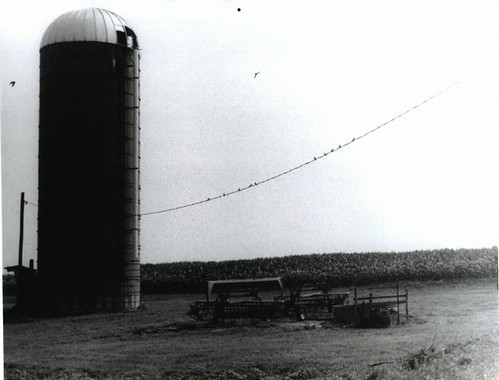


The Architecture of Abundance
Silos are a testament to practical engineering, designed to safely and efficiently store vast quantities of materials. Their cylindrical shape is not arbitrary; it provides optimal structural integrity against the outward pressure exerted by granular materials, known as lateral earth pressure, though in this case it's lateral grain pressure. This pressure increases with depth, requiring robust construction.
Common materials like reinforced concrete and galvanized steel are chosen for their strength, durability, and resistance to corrosion. Loading mechanisms, such as bucket elevators or pneumatic conveyors, deliver materials to the top, while discharge systems, often employing screw conveyors or vibratory feeders at the base, allow for controlled removal. The height and diameter are carefully calculated based on the material's density, angle of repose, and the desired storage capacity, often reaching heights of over 100 feet and diameters of 30 feet or more.
Understanding these design parameters is crucial for preventing structural failure and ensuring efficient material flow.
From Granaries to Grain Towers
The human need to store surplus food dates back to the Neolithic Revolution, with early methods including simple pits, woven baskets, and rudimentary granaries. The concept of the modern silo, however, gained traction in the mid-19th century, driven by agricultural intensification and the need to preserve fodder for livestock, particularly through ensiling. Early silos were often constructed from wood staves or stone.
The advent of Portland cement and steel manufacturing in the late 19th and early 20th centuries revolutionized silo construction, enabling the creation of taller, more durable, and airtight structures. This technological leap facilitated larger-scale farming operations and contributed significantly to the industrialization of agriculture, allowing for greater food security and more predictable supply chains.
The Economic Engine
Silos are far more than just storage containers; they are critical economic tools in the agricultural sector. By enabling farmers to hold onto their harvested crops, silos mitigate the price volatility that often follows a bumper harvest. Farmers can strategically sell their grain over time, capitalizing on market demand and securing better financial returns.
This storage capability also underpins futures markets, where commodities are bought and sold for future delivery, a cornerstone of modern commodity trading. Furthermore, silos are essential for maintaining stable food prices for consumers by ensuring a consistent supply throughout the year, buffering against seasonal fluctuations and potential crop failures. Their presence directly contributes to the economic viability of farming operations and the stability of national food supplies.
Beyond the Farm
While agricultural applications are most prominent, the principles of silo design are applied across a wide range of industries. In the construction sector, silos are indispensable for storing bulk cement, fly ash, and other powdered materials, crucial for concrete production. The chemical industry utilizes silos for storing various raw materials and finished products, often requiring specialized materials and safety features to handle hazardous substances.
Food processing plants use silos for flour, sugar, starches, and other bulk ingredients. The material science involved in silo construction must account for factors such as abrasion resistance, chemical compatibility, and the potential for static electricity buildup, especially when dealing with fine powders. This broad applicability underscores the fundamental importance of bulk material containment in industrial processes.
The Future of Storage
Contemporary silo technology continues to evolve, focusing on enhanced efficiency, safety, and data integration. Advanced monitoring systems can track temperature, humidity, and even the precise weight of stored materials in real-time, providing valuable data for inventory management and quality control. Innovations in aeration and fumigation techniques aim to further improve preservation and reduce spoilage.
The development of more sustainable and resilient construction materials is also an ongoing area of research. Furthermore, the integration of silos into broader farm management software and supply chain logistics platforms is creating a more connected and responsive agricultural system. As global food demand grows, the role of sophisticated and intelligent silo systems will only become more critical.
See also
Frequently Asked Questions
What is a silo and why do we need them?+
How do silos keep the food from getting damaged?+
Why are silos so tall and wide?+
When did people start building silos?+
How do farmers use silos to help their money?+
Based on content from Wikipedia · Licensed under CC BY-SA 4.0