

Silicon: The Super Sand Element!
Images
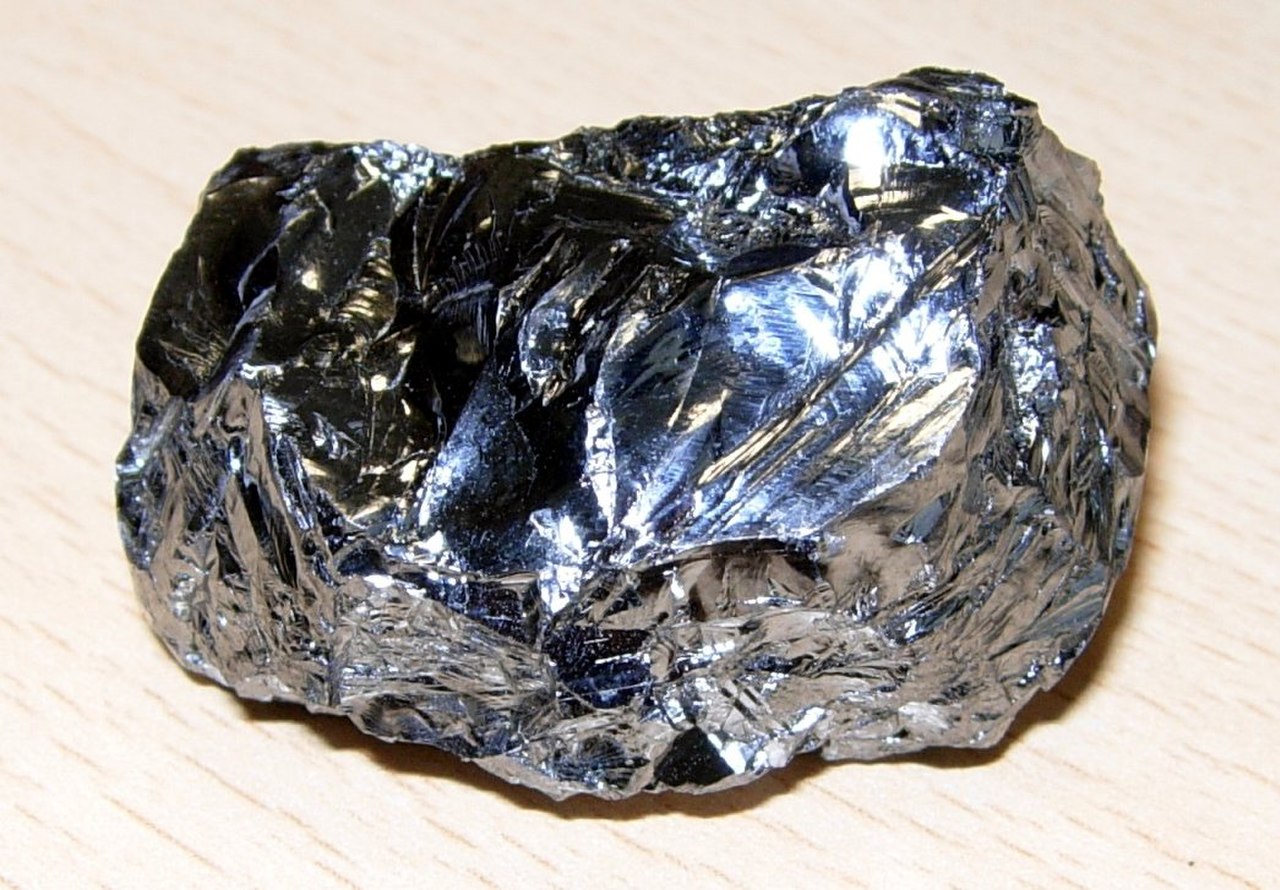
Silicon
A Metalloid's Multifaceted Nature
Silicon (Si), atomic number 14, is a tetravalent element that occupies a unique position in group 14 of the periodic table. Its classification as a metalloid reflects its dual nature, exhibiting properties of both metals and non-metals. In its pure crystalline form, it presents as a hard, brittle solid with a characteristic blue-gray metallic luster.
While relatively unreactive chemically, its significance stems from its electronic properties. Silicon possesses a significant band gap, a crucial characteristic that makes it an excellent semiconductor. This property allows for the precise manipulation of electrical current, forming the basis of modern electronics.
Its high melting (1414 °C) and boiling (3265 °C) points, second only to boron among non-metals and metalloids, also contribute to its utility in high-temperature applications and robust material science.
From Cosmic Dust to Industrial Revolution
Silicon’s journey from cosmic ubiquity to industrial indispensability is a testament to scientific discovery. While its compounds, particularly silicon dioxide and silicates, have been integral to human civilization for millennia-forming the basis of glass, ceramics, and cement-the element itself remained elusive. Its high affinity for oxygen meant that isolating pure silicon was a considerable challenge.
It wasn't until 1823 that Jöns Jakob Berzelius successfully prepared and characterized elemental silicon. The true dawn of the 'Silicon Age' began in the mid-20th century with the groundbreaking development of the transistor, a device whose function relies critically on silicon's semiconductor properties. This innovation revolutionized electronics, leading to the miniaturization and proliferation of computing and communication technologies that define our modern era.
The Semiconductor Supremacy
Silicon's dominance in the semiconductor industry is unparalleled. Its ability to act as a semiconductor, coupled with the formation of a stable insulating oxide layer, makes it ideal for fabricating intricate integrated circuits (ICs) and transistors. These components are the fundamental building blocks of virtually all modern electronic devices, from smartphones and computers to advanced medical equipment and aerospace systems.
The global semiconductor market, projected to reach hundreds of billions of dollars, underscores silicon's economic importance. Beyond digital technology, silicon is pivotal in renewable energy through photovoltaic cells (solar panels), efficiently converting solar radiation into electrical power. Its versatility extends to silicon carbide, a super-hard material used in abrasives and high-performance ceramics, and silicones, synthetic polymers with diverse applications.
Silicon's Pervasive Presence
Silicon is not merely an industrial material; it is a fundamental constituent of our planet and plays a role in biological processes. Constituting approximately 28% of Earth's crust by mass, silicon is the second most abundant element after oxygen, primarily existing as silicate minerals that form the bedrock of continents and ocean floors. Over 90% of the Earth's crust is composed of these silicate minerals.
Its presence is not confined to Earth; silicon compounds are abundant in cosmic dust, planetoids, and other celestial bodies. Biologically, while most animals require only trace amounts, silicon is essential for certain organisms. Diatoms and radiolaria, microscopic marine life, construct elaborate silica skeletons, and plants utilize silicon for structural support and defense against pathogens, highlighting its diverse and essential roles across different domains.
Go deeper
Frequently Asked Questions
What is silicon?+
Why does silicon help make glass sparkle?+
How does silicon work in phones and computers?+
Where does silicon come from?+
Why is silicon important for solar panels?+
Based on content from Wikipedia · Licensed under CC BY-SA 4.0