

Shrimp: Tiny Ocean Dancers!
Images
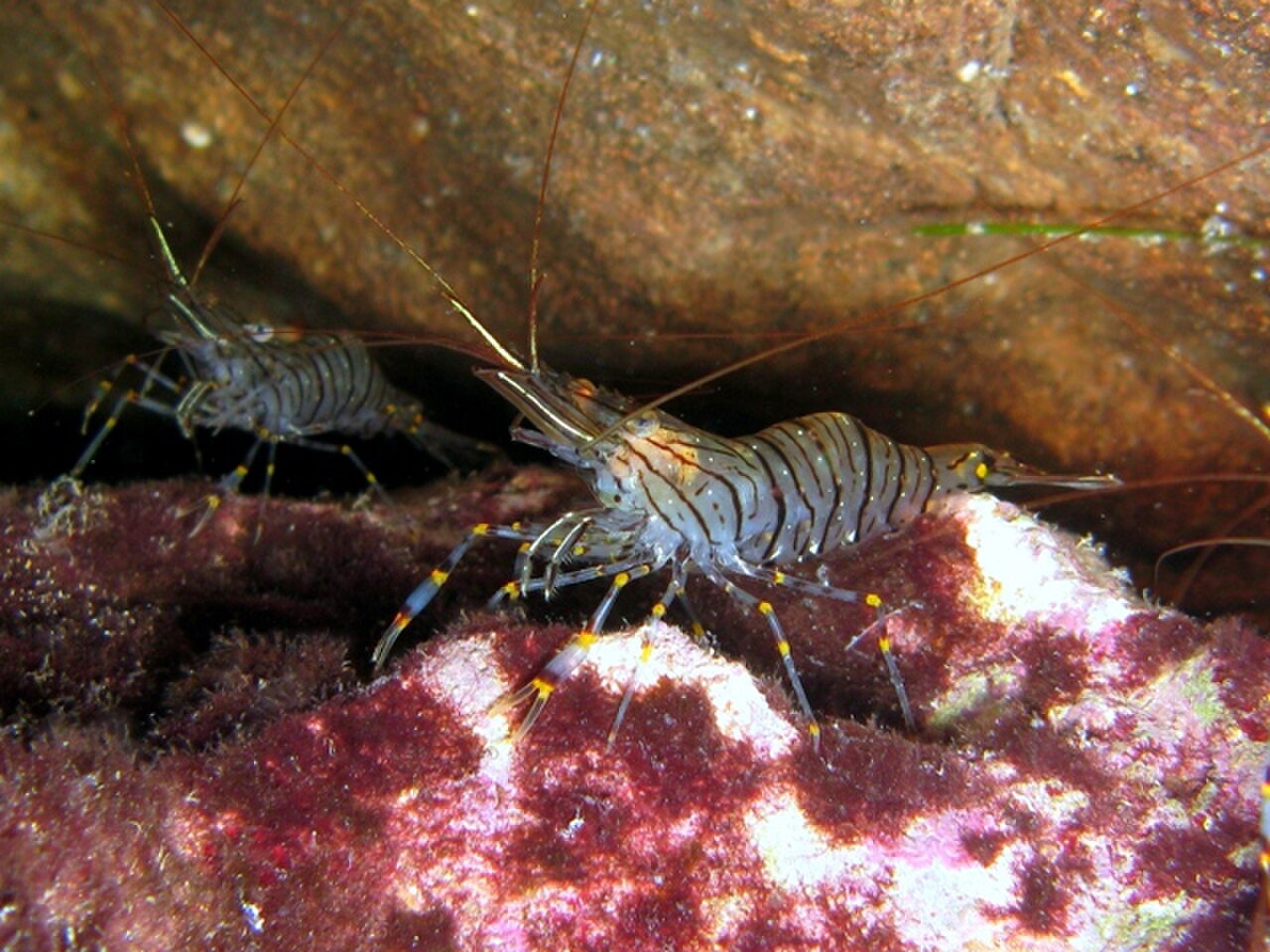
Shrimp


Decapod Diversity and Distribution
The order Decapoda, encompassing shrimp, prawns, crabs, and lobsters, represents one of the most diverse and widespread groups of crustaceans. Shrimp, specifically, are characterized by their elongated bodies, ten thoracic appendages (five pairs of walking legs and five pairs of pleopods for swimming), and prominent antennae. Their distribution is nearly global, occupying a vast spectrum of aquatic habitats, from shallow coastal waters and estuaries to the abyssal plains of the deep sea, and even extending into freshwater environments.
This ubiquity is a testament to their evolutionary adaptability. Different species have evolved specialized morphologies and behaviors suited to their specific niches, whether it's the burrowing habits of ghost shrimp in muddy substrates or the specialized symbiotic relationships of cleaner shrimp with reef fish. Their ability to thrive in such varied conditions underscores their ecological resilience and evolutionary success.
Nutritional Niches
Shrimp exhibit a broad omnivorous diet, acting as crucial components in nutrient cycling and food web dynamics. Their feeding strategies are diverse, ranging from filter-feeding on plankton to scavenging on carrion and grazing on benthic algae and detritus. This dietary flexibility allows them to exploit a wide range of food resources and occupy various trophic levels.
Many shrimp species are also considered ecosystem engineers. For instance, burrowing shrimp significantly alter sediment structure and water flow, influencing the distribution and abundance of other benthic organisms. Their role as detritivores helps break down organic matter, preventing its accumulation and releasing essential nutrients back into the environment.
This constant processing of organic material makes them indispensable for maintaining the health and productivity of aquatic ecosystems.
Life Cycles, Social Structures, and Defense Mechanisms
The life cycle of most shrimp involves distinct larval stages that undergo metamorphosis before reaching adulthood. Many species are semelparous, reproducing once and then dying, while others are iteroparous, capable of multiple reproductive cycles. Social behavior is highly variable; some shrimp are solitary and territorial, while others form large aggregations for feeding or mating.
Defense mechanisms are equally diverse. Camouflage through transparency or coloration is common, aiding in predator avoidance. Some species possess remarkable symbiotic relationships, such as the anemone shrimp living amongst stinging anemone tentacles for protection. The most dramatic defense is exhibited by the pistol shrimp (family Alpheidae), which uses a specialized claw to generate a powerful sonic blast and shockwave, capable of disorienting or killing prey and deterring predators.
This cavitation phenomenon is a remarkable example of evolutionary innovation.
Ecological Significance, Economic Impact, and Conservation Challenges
Shrimp play a pivotal role in marine food webs, serving as a primary food source for a multitude of fish, marine mammals, and seabirds. Their abundance and biomass contribute significantly to the overall productivity of aquatic ecosystems. Economically, shrimp are among the most important seafood commodities globally, supporting vast commercial fisheries and aquaculture industries.
However, this economic importance has led to significant conservation challenges. Overfishing, destructive fishing practices (like bottom trawling), habitat degradation (especially of mangroves and seagrass beds), and pollution pose serious threats to wild shrimp populations. Aquaculture, while providing an alternative source, can also lead to environmental issues such as habitat destruction and the spread of diseases. Consequently, the conservation status of many shrimp species is a growing concern, with some listed as Vulnerable or Endangered, necessitating sustainable management practices and conservation efforts to protect these vital marine invertebrates.
Go deeper
Frequently Asked Questions
What do shrimp look like?+
Where do shrimp live?+
How do shrimp help the ocean?+
What do shrimp eat?+
How do shrimp protect themselves?+
Based on content from Wikipedia · Licensed under CC BY-SA 4.0