

Sexual Reproduction: Making New Life!
Images
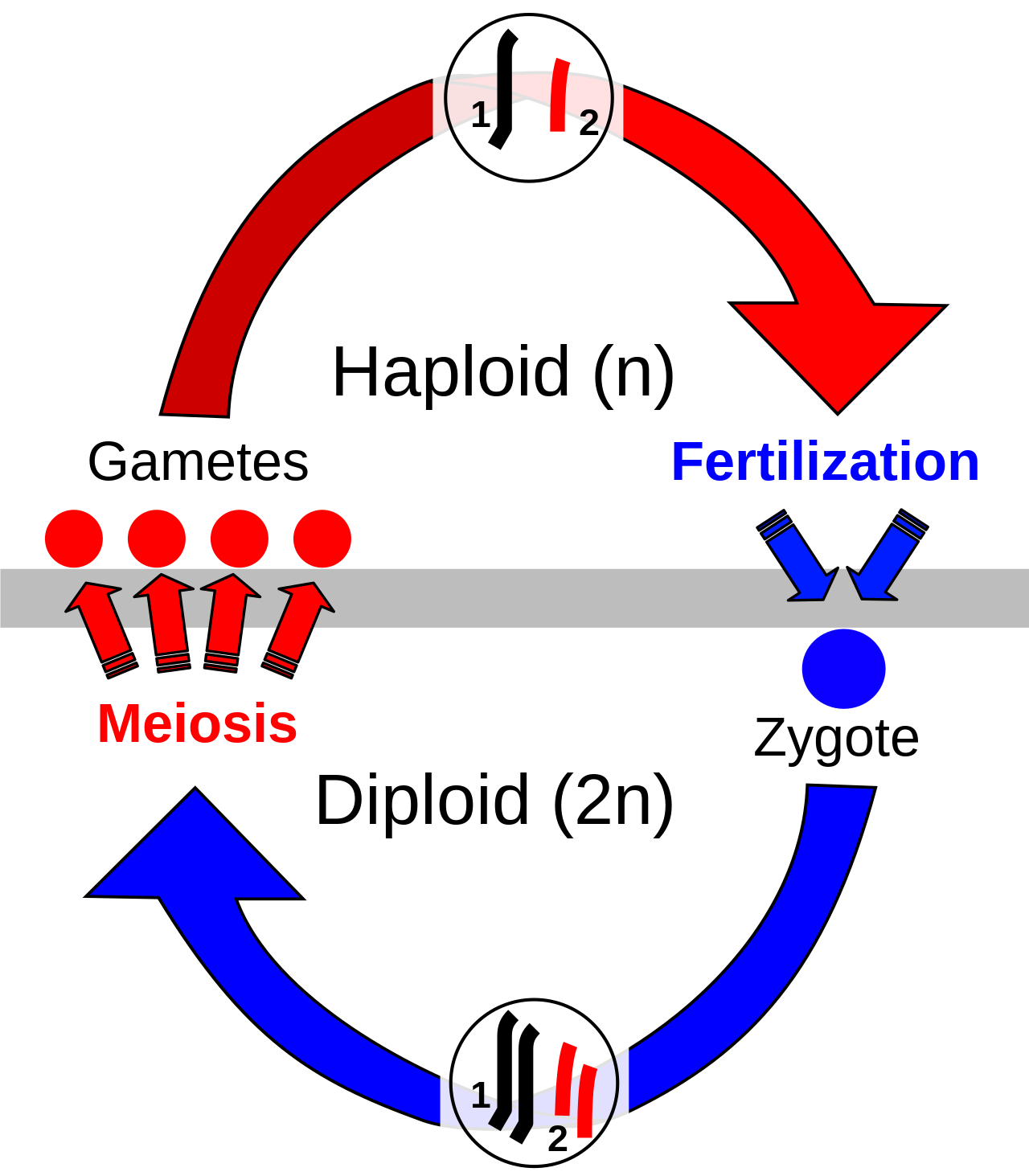
Sexual reproduction
The Fundamental Mechanism
Sexual reproduction is a biological process characterized by the involvement of two parents, typically male and female, who contribute specialized reproductive cells called gametes. These gametes, sperm and egg, are haploid, meaning they contain half the number of chromosomes of a typical somatic cell. They are produced through a specialized cell division process known as meiosis, which ensures genetic recombination and reduces chromosome number.
The fusion of a sperm and an egg during fertilization creates a diploid zygote, the first cell of a new organism. This zygote contains a unique combination of genes inherited from both parents, forming the basis of genetic diversity. The subsequent development of the zygote into a multicellular organism involves mitotic cell divisions and differentiation, guided by the newly established genetic blueprint.
This intricate process is fundamental to the continuation of most eukaryotic life forms, from single-celled organisms to complex multicellular beings.
A Deep Evolutionary History
The evolutionary trajectory of life suggests that early organisms likely reproduced asexually, a simpler method of creating genetically identical offspring. However, the emergence of sexual reproduction, estimated to have occurred over a billion years ago, marked a profound shift. This transition provided a significant evolutionary advantage by introducing genetic variation into populations.
The constant shuffling and recombination of genes through meiosis and fertilization allowed species to adapt more rapidly to changing environmental pressures, such as novel pathogens, climate shifts, or resource availability. While sexual reproduction is energetically more costly and time-consuming than asexual reproduction, its capacity to generate diverse offspring has historically outweighed these drawbacks. The persistence of sexual reproduction across such a vast array of species underscores its critical role in long-term evolutionary success and the maintenance of biodiversity on Earth.
The Paramount Importance
The primary significance of sexual reproduction lies in its unparalleled ability to generate genetic variation. This variation is the raw material upon which natural selection acts, enabling species to adapt to dynamic environments. In a world of constant change, a genetically diverse population is more resilient.
If a new disease emerges, it is far more likely that some individuals will possess genetic traits conferring resistance, allowing the population to survive and evolve. This is particularly crucial in the ongoing 'arms race' between hosts and their parasites. The Red Queen Hypothesis posits that sexual reproduction is essential for hosts to 'run' fast enough genetically to stay ahead of rapidly evolving parasites.
By constantly creating new genetic combinations, hosts can present novel targets that parasites have not yet evolved to overcome, thus ensuring the host's survival and perpetuating the cycle.
Mechanisms of Diversity
The genetic diversity generated by sexual reproduction is a direct result of two key processes during meiosis: crossing over and independent assortment. Crossing over occurs during prophase I of meiosis, where homologous chromosomes exchange segments of genetic material. This creates new combinations of alleles on each chromosome.
Independent assortment happens during metaphase I, where homologous chromosome pairs align randomly at the metaphase plate. Each pair sorts independently of the others, meaning that the maternal and paternal chromosomes can be distributed to daughter cells in numerous combinations. For humans, with 23 pairs of chromosomes, this independent assortment alone can produce over 8 million different combinations of chromosomes in the gametes.
When combined with crossing over, the potential for unique genetic combinations in offspring is virtually limitless, providing a vast pool of variation for evolution.
Contemporary Relevance and Future Directions
Understanding sexual reproduction remains central to fields ranging from evolutionary biology and genetics to medicine and conservation. In conservation, knowledge of reproductive strategies is vital for captive breeding programs and reintroduction efforts, especially for endangered species. In medicine, studying reproductive genetics helps us understand inherited diseases and develop treatments.
Furthermore, research into the evolution of sex continues to explore its advantages and disadvantages, with some organisms exhibiting facultative sexual reproduction, switching between sexual and asexual modes depending on environmental conditions. The ongoing exploration of the genetic and molecular underpinnings of sexual reproduction promises further insights into life's fundamental processes and may unlock new biotechnological applications, highlighting its enduring relevance in the 21st century.
Go deeper
Frequently Asked Questions
What is sexual reproduction?+
How does a sperm and an egg become a new baby?+
Why do animals use sexual reproduction instead of just copying themselves?+
How does the body make sperm and egg?+
When did sexual reproduction start in life?+
Based on content from Wikipedia · Licensed under CC BY-SA 4.0