

Selma Lagerlöf
Images
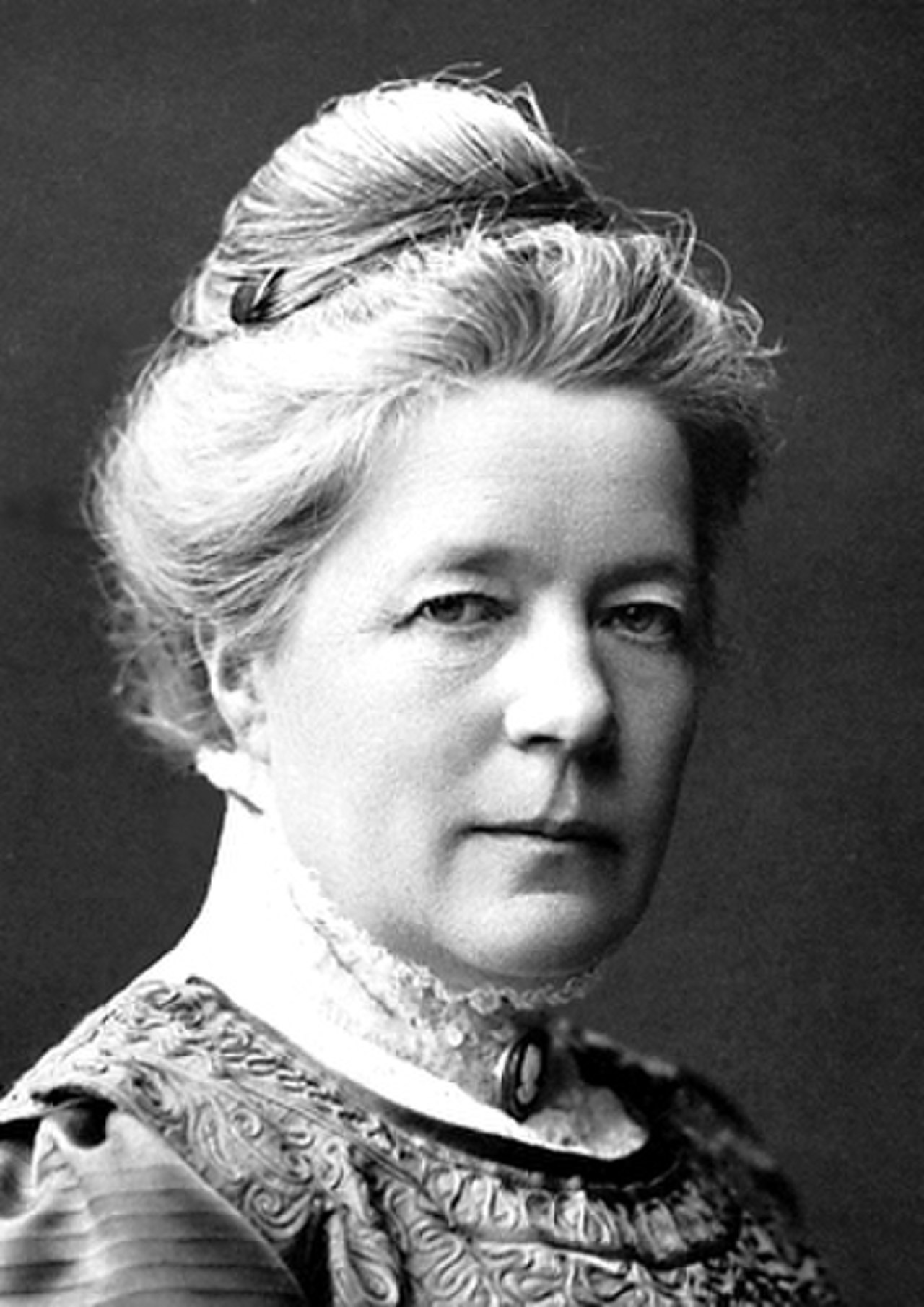
Selma Lagerlöf
From Mårbacka's Embrace to Literary Innovation
Selma Lagerlöf's journey began at Mårbacka, her family's ancestral estate in Värmland, Sweden, where she was born on November 20, 1858. This idyllic setting, steeped in local legends and family history, profoundly shaped her literary sensibilities. Initially pursuing a career in education, she served as a teacher in Landskrona from 1885 to 1895.
However, the burgeoning desire to translate the rich tapestry of Swedish folklore and history into compelling narratives led her to dedicate herself to writing. Her debut novel, 'The Saga of Gösta Berling' (1891), was a sprawling, ambitious work that, while initially met with mixed reviews, showcased her distinctive narrative voice. It was characterized by its romanticized portrayal of historical figures, its exploration of Värmland's unique landscape, and its blend of the real and the mythical, setting a precedent for her future literary endeavors and challenging the prevailing literary trends of her time.
The Pedagogical Power of 'The Wonderful Adventures of Nils'
'The Wonderful Adventures of Nils' (1906-1907) stands as a testament to Selma Lagerlöf's innovative approach to literature, particularly in its educational scope. Commissioned by the Swedish National Teachers Association, the novel was designed to serve as a comprehensive and engaging textbook for Swedish schoolchildren, imparting knowledge of the nation's geography, history, and cultural heritage. The narrative centers on Nils Holgersson, a boy transformed into a tiny being who journeys across Sweden on the back of a wild goose.
Through Nils's experiences, Lagerlöf masterfully weaves together factual information about diverse regions, their flora and fauna, and local customs with a captivating adventure story. The book’s success transcended its pedagogical purpose, resonating with a global audience and cementing Lagerlöf's reputation as a storyteller capable of both enchanting readers and imparting profound cultural understanding. Its translation into numerous languages underscored its universal appeal and educational impact.
Breaking Ground
Selma Lagerlöf's literary achievements culminated in a historic moment in 1909 when she was awarded the Nobel Prize in Literature. This recognition marked her as the first Swedish woman to receive this esteemed honor, a significant breakthrough that challenged gender barriers in the literary world. The Nobel Committee cited her 'lofty idealism, vivid imagination and spiritual perception' as key elements of her writing.
This award not only brought her unprecedented international acclaim but also solidified her position as a leading figure in world literature. Lagerlöf's unique narrative style, characterized by its lyrical prose, deep psychological insight, and profound connection to the Swedish landscape and its people, has left an indelible mark on subsequent generations of writers. Her work continues to be studied and celebrated for its artistic merit and its exploration of universal themes such as identity, belonging, and the human spirit.
A Life Beyond the Page
Selma Lagerlöf's life was as rich and impactful as her literary output. Following her father's financial struggles, she dedicated herself to preserving her family's legacy, eventually repurchasing and restoring Mårbacka. This endeavor was not merely a personal triumph but a symbol of her deep connection to her roots and her commitment to her heritage.
Beyond her personal pursuits, Lagerlöf was an active participant in social and political discourse. She lent her voice and support to movements such as women's suffrage, recognizing the importance of equality and representation. Her philanthropic efforts extended to various charitable causes, demonstrating a lifelong commitment to using her influence for the betterment of society.
Lagerlöf's multifaceted life, encompassing literary innovation, cultural preservation, and social advocacy, paints a portrait of a remarkable individual who profoundly shaped both Swedish culture and the broader landscape of global literature.
See also
Frequently Asked Questions
Who was Selma Lagerlöf?+
What is "The Wonderful Adventures of Nils"?+
When was Selma Lagerlöf born?+
Why did Selma Lagerlöf win the Nobel Prize?+
What did Selma Lagerlöf do before becoming a writer?+
Based on content from Wikipedia · Licensed under CC BY-SA 4.0