

Sauna: The Super-Hot Room!
Images
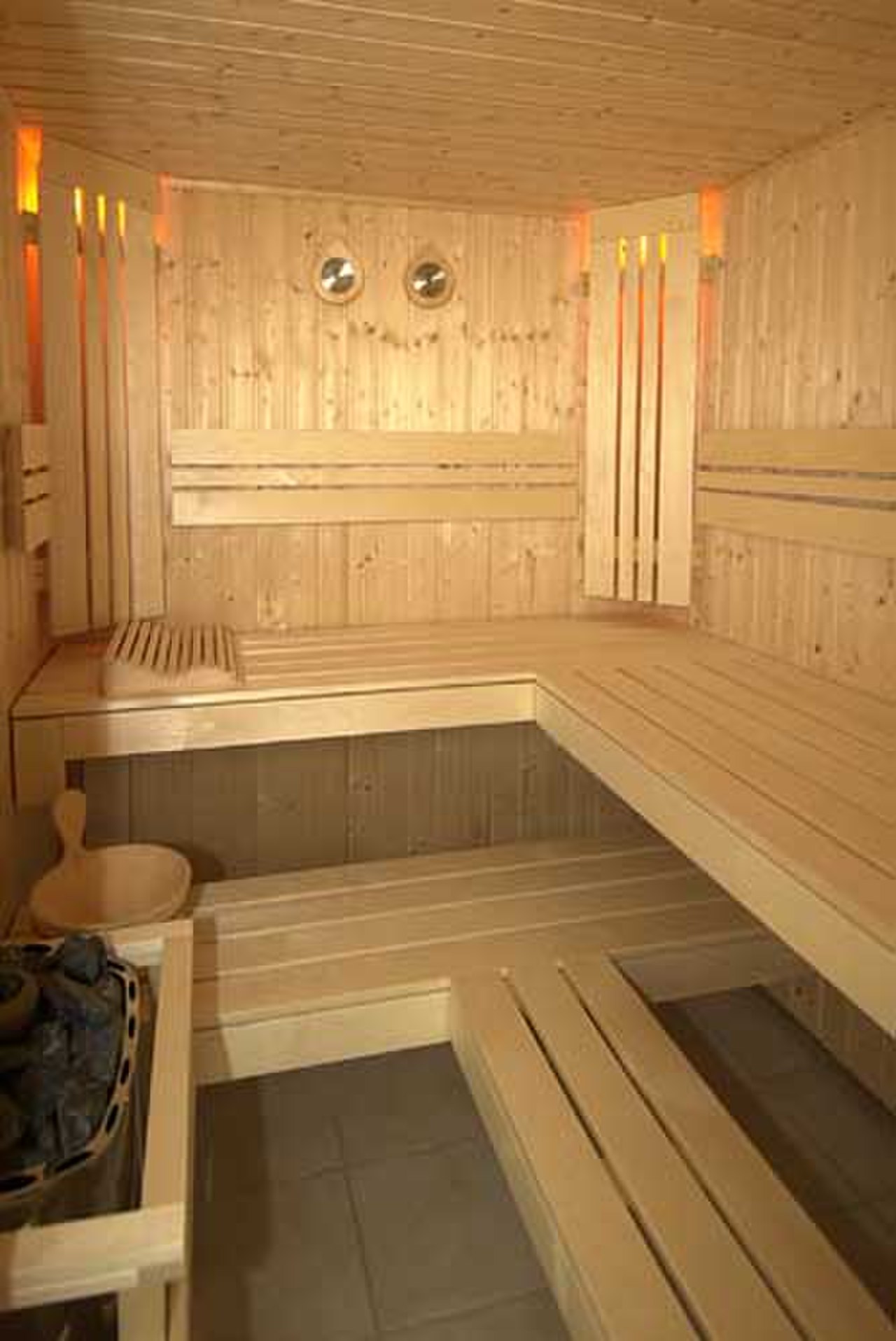
Sauna
The Genesis of the Sauna
The origins of the sauna are deeply rooted in the practical needs of ancient populations inhabiting cold climates, particularly in Northern Europe. Early forms were rudimentary, often consisting of earth-sheltered pits or log structures where a fire was built, and smoke was allowed to escape through an opening. This provided a crucial source of warmth and a place for rudimentary hygiene.
The Finns, in particular, elevated the sauna from a mere utility to a central pillar of their culture. Over millennia, the design evolved, incorporating specialized stoves ('kiuas') to heat stones, which then radiated heat into the insulated wooden cabin. The practice became intertwined with daily life, serving not only as a cleansing ritual but also as a space for social interaction, relaxation, and even as a sterile environment for childbirth.
This deep cultural integration highlights the sauna's multifaceted role, extending beyond simple physical comfort to encompass social, spiritual, and communal well-being. The Finnish sauna is so ingrained that it's recognized by UNESCO as an Intangible Cultural Heritage.
Physiological Mechanisms of Heat Exposure
The physiological effects of sauna bathing are a complex interplay of heat, sweat, and cardiovascular response. When exposed to the high temperatures (typically 70-100°C or 158-212°F), the body initiates thermoregulation processes. The skin temperature rises significantly, leading to vasodilation, which increases blood flow to the skin surface to dissipate heat.
This increased circulation also raises the heart rate, often to levels comparable to moderate exercise, as the cardiovascular system works to pump blood efficiently. The primary response is profuse sweating, which, while primarily a cooling mechanism, also facilitates the excretion of certain metabolic byproducts and impurities from the skin. The 'löyly' effect, created by adding water to hot stones, further enhances the perceived heat and humidity, intensifying these physiological responses.
This sustained heat exposure can lead to a temporary increase in body temperature, mimicking a mild fever, which some research suggests may have beneficial effects on the immune system.
Evidence-Based Health Benefits and Modern Applications
Contemporary research has begun to validate many of the long-held beliefs about the health benefits of regular sauna use. Studies, particularly from Finland, have linked frequent sauna bathing (e.g., 4-7 times per week) with a reduced risk of cardiovascular events, including heart attacks and strokes. The cardiovascular benefits are attributed to the improved endothelial function, reduced arterial stiffness, and lower blood pressure observed in regular users.
Beyond cardiovascular health, saunas are recognized for their role in stress reduction and improved mental well-being, offering a tranquil environment that promotes relaxation and can alleviate symptoms of anxiety and depression. Furthermore, the heat can provide relief from muscle soreness and joint pain, making it a valuable tool for athletes and individuals with chronic pain conditions. The cleansing effect on the skin is also a notable benefit.
As a result, saunas are increasingly integrated into wellness centers, spas, and fitness facilities worldwide.
Variations and the Future of Heat Therapy
While the traditional Finnish sauna remains the benchmark, the concept of heat therapy has diversified significantly. Electric saunas offer convenience and precise temperature control, becoming popular in urban settings. Infrared saunas represent a distinct approach, utilizing infrared light waves to heat the body directly, penetrating tissues more deeply at lower ambient air temperatures (typically 40-60°C or 104-140°F). This method is often preferred by individuals who find traditional saunas too intense or have specific therapeutic goals.
Other variations include steam rooms, which provide a moist heat environment, and even portable saunas. The future of heat therapy likely involves further research into the specific mechanisms of different sauna types and their targeted applications for various health conditions, alongside a continued appreciation for their role in stress management and overall well-being. The enduring appeal of the sauna lies in its ability to offer a profound sense of relaxation and rejuvenation.
Sauna Etiquette and Cultural Nuances
Understanding sauna etiquette is crucial for a respectful and enjoyable experience, especially when visiting a traditional Finnish sauna. In many Finnish settings, nudity is common and accepted, reflecting the sauna's role as a place of naturalness and equality. However, in mixed-gender or public settings, it is customary to wear a towel or swimwear.
It is important to shower before entering the sauna to maintain hygiene. During the session, it's polite to be mindful of others; avoid loud conversations and respect personal space. The practice of 'löyly' should be done with consideration, asking others if they are comfortable with more steam.
After the sauna, cooling down with a shower or a dip in cold water is traditional and invigorating. Understanding these customs ensures that the sauna remains a peaceful and welcoming space for all, honoring its deep cultural significance.
Go deeper
Frequently Asked Questions
What is a sauna?+
Why do people sweat in a sauna?+
How hot is a sauna?+
What health benefits can a sauna give?+
How did saunas start?+
Based on content from Wikipedia · Licensed under CC BY-SA 4.0