

Sapporo
Images
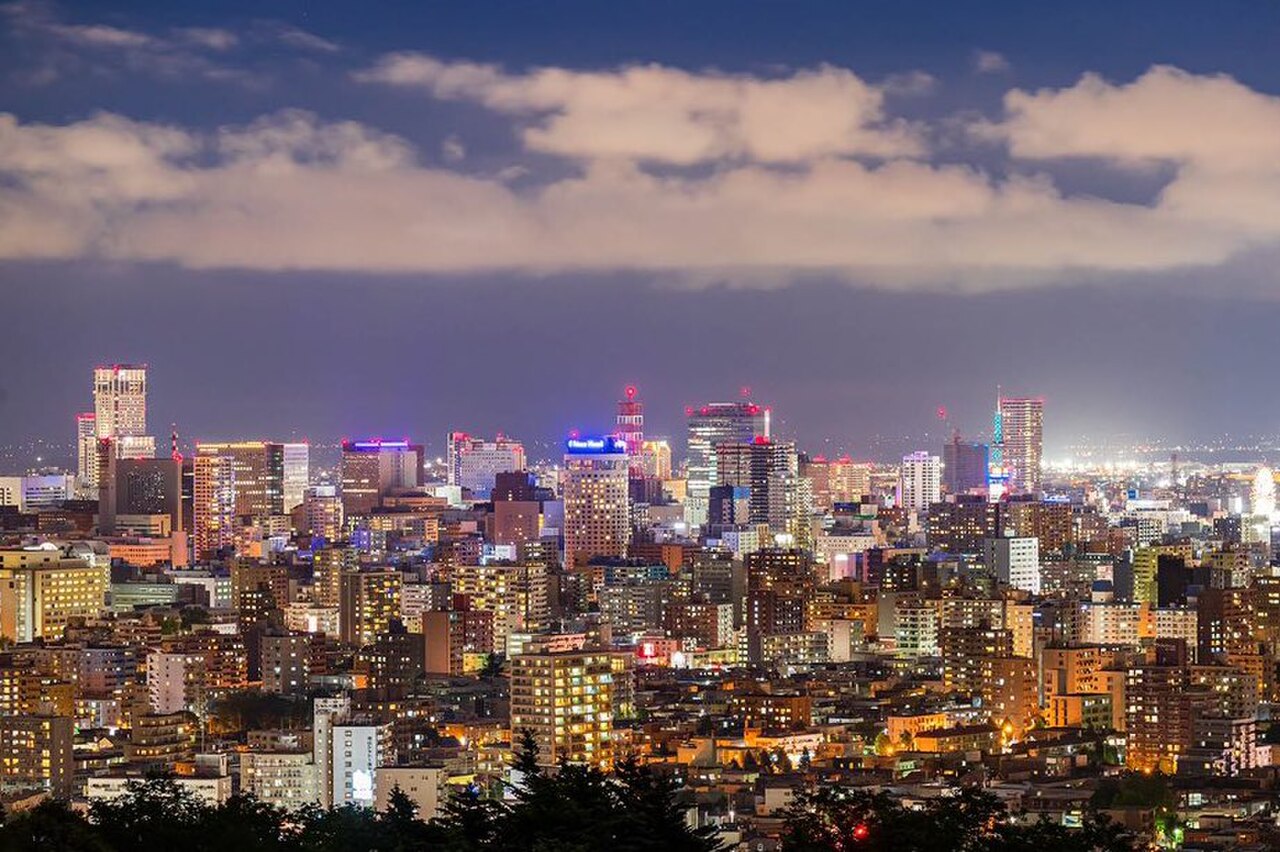
Sapporo
Geographical Context and Climatic Influence on Sapporo
Sapporo, the capital of Hokkaido Prefecture, is strategically located in the southwestern part of the island, nestled within the Ishikari Valley and bordered by the Ishikari and Toyohira Rivers. Its geographical position, surrounded by mountains such as Mt. Moiwa and Mt.
Okurayama, profoundly influences its climate. Sapporo experiences a humid continental climate characterized by long, cold, and snowy winters, with average annual snowfall exceeding 5 meters. This heavy snowfall is a direct result of Siberian air masses interacting with the Sea of Japan, leading to significant lake-effect snow.
Summers are relatively warm and humid. This distinct climate has shaped the city's infrastructure, from its snow-clearing operations to its architectural designs, and has been instrumental in establishing Sapporo as a premier destination for winter sports and events, most notably the 1972 Winter Olympics.
Historical Trajectory
The history of Sapporo is a narrative of deliberate development and cultural integration. For millennia, the region was inhabited by the Ainu people, who possessed a distinct culture and language. The modern development of Sapporo began in the mid-19th century during the Meiji era, as part of a government initiative to colonize and develop Hokkaido, then known as Ezo.
Sapporo was chosen in 1868 as the administrative capital due to its strategic location and potential for growth. The city was meticulously planned with a grid system inspired by Western urban planning, a stark contrast to the organic growth of many older Japanese cities. This planned development facilitated rapid expansion.
The 1972 Winter Olympics marked a pivotal moment, transforming Sapporo into an internationally recognized city and accelerating its modernization and infrastructure development.
Cultural Identity
Sapporo's cultural landscape is a vibrant tapestry woven from Japanese traditions and its unique northern identity. The city is globally synonymous with its culinary prowess, particularly its signature dish, Miso Ramen. This iconic noodle soup, a staple in Sapporo's numerous ramen shops, features a rich, umami-laden broth derived from miso paste, often served with pork, corn, and butter.
Beyond ramen, Hokkaido's agricultural bounty contributes to Sapporo's reputation for fresh seafood, dairy products, and vegetables. The Sapporo Snow Festival, held annually in February, is the city's most celebrated cultural event. It transforms Sapporo Odori Park into a breathtaking exhibition of colossal snow and ice sculptures, showcasing the artistic talents of sculptors from around the world and drawing millions of tourists.
This festival is a testament to the city's ability to harness its challenging climate for cultural and economic benefit.
Economic Landscape
Sapporo's economy is characterized by its diversification, balancing traditional sectors with emerging industries. As the administrative and economic center of Hokkaido, the service sector is dominant, encompassing retail, finance, healthcare, and education. Tourism is a significant contributor, driven by the city's appeal as a winter sports destination, its cultural festivals, and its natural beauty. The city is also a notable center for manufacturing, with established industries in food and beverage production, most famously Sapporo Beer, and machinery.
In recent decades, Sapporo has been actively fostering its technology sector, particularly in software development, information technology, and biotechnology, leveraging its skilled workforce and research institutions. The city's strategic location and robust infrastructure support its role as a key economic hub for northern Japan.
Governance and Education
Sapporo operates under a mayoral system, with a directly elected mayor and a city council responsible for local governance. This democratic structure ensures citizen participation in decision-making processes concerning urban planning, public services, and economic development. The city government plays a crucial role in managing Sapporo's unique challenges, such as its heavy snowfall, and in promoting its cultural and economic strengths.
Education is highly valued in Sapporo, with a comprehensive system ranging from public kindergartens to universities. Hokkaido University, one of Japan's most prestigious national universities, is headquartered in Sapporo, serving as a major center for research and higher education across various disciplines, including agriculture, engineering, and medicine. The presence of such institutions contributes to Sapporo's intellectual capital and its capacity for innovation.
Go deeper
Frequently Asked Questions
What is Sapporo famous for?+
Why does Sapporo get so much snow?+
How did Sapporo become the capital of Hokkaido?+
What happens at the Sapporo Snow Festival?+
What kinds of food can you try in Sapporo?+
Based on content from Wikipedia · Licensed under CC BY-SA 4.0