

Santiago de Cuba
Images
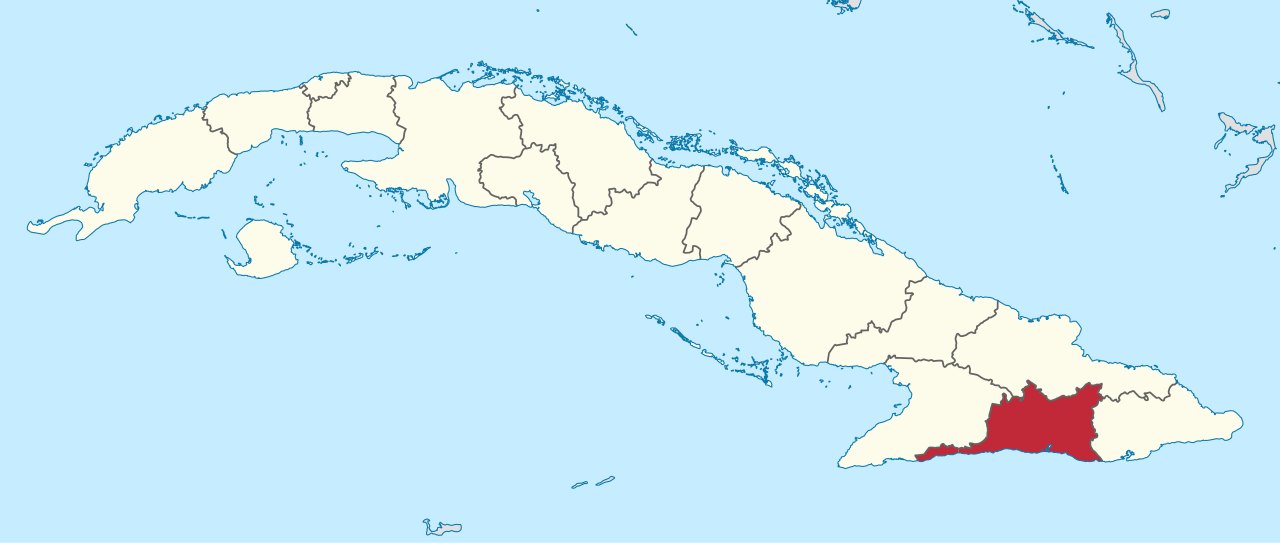
Santiago de Cuba in Cuba


Geographical Significance and Natural Setting
Santiago de Cuba's geographical positioning is fundamental to its identity and historical importance. Located in the southeastern region of Cuba, it lies approximately 870 kilometers (540 miles) southeast of Havana. The city is strategically situated on a deep bay that provides direct access to the Caribbean Sea, establishing it as a crucial maritime gateway.
This natural harbor has facilitated trade and cultural exchange for centuries. The municipality encompasses a substantial area of over 1,000 square kilometers, incorporating diverse communities and landscapes. The tropical climate is characterized by warm temperatures and distinct wet and dry seasons, influencing both the natural environment and the lifestyle of its inhabitants.
Its proximity to the coast and varied terrain contribute to its unique ecological profile and aesthetic appeal, making it a vital hub within the island's geography.
A Tapestry of History and Development
Historically, Santiago de Cuba has been the second most important city on the island after Havana, a status it maintains today. Founded in 1515 by Spanish conquistador Diego Velázquez de Cuéllar, it served as the first capital of Cuba until 1553. This long history has endowed the city with a rich heritage, marked by periods of colonial rule, revolutionary struggles, and significant cultural evolution.
Its role as a port city meant it was a focal point for trade, migration, and conflict throughout the centuries. The city has witnessed pivotal moments in Cuban history, including its involvement in the Cuban War of Independence and the Cuban Revolution. This deep historical resonance makes Santiago de Cuba a key site for understanding the nation's past and its ongoing development, reflecting layers of influence and resilience.
Cultural Dynamics and Societal Fabric
Santiago de Cuba is renowned as a vibrant cultural capital, often considered the cradle of Cuban music and traditions. With a population exceeding 500,000, it is a dynamic urban center where diverse influences converge. Spanish is the official and predominant language, serving as the primary medium of communication and cultural expression.
The city's cultural landscape is characterized by its lively music scene, including genres like son cubano, which originated here. Festivals, carnivals, and artistic expressions are integral to the city's identity, reflecting a strong sense of community and shared heritage. The people of Santiago are known for their warmth and resilience, contributing to the city's unique social fabric and its reputation as a lively and engaging place to live and visit.
Economic Backbone
The economy of Santiago de Cuba is significantly driven by its status as a major sea port. Its strategic location on the Caribbean allows for extensive maritime trade, facilitating the import and export of goods, which is crucial for both the local and national economy. Beyond port activities, the city's economy is diversified, encompassing industries such as manufacturing, tourism, and services.
The historical importance of the port continues to shape its economic activities, creating employment opportunities and fostering commercial relationships. The city's economic vitality is closely tied to its connectivity with global markets, underscoring its role as a key economic engine for the eastern region of Cuba. This economic activity supports the livelihoods of its large population and contributes to the island's overall economic framework.
Governance and Educational Landscape
As the capital of Santiago de Cuba Province, the city functions as the primary administrative and governmental center for the region. Its political structure aligns with Cuba's socialist system, with local governance responsible for managing public services, infrastructure, and development initiatives within the municipality. Education is a cornerstone of the city's development, with a comprehensive system catering to its large population. Santiago de Cuba hosts numerous educational institutions, ranging from primary and secondary schools to higher education facilities.
The Universidad de Oriente, one of Cuba's prominent universities, is located here, serving as a center for academic research and professional training. This commitment to education plays a vital role in shaping the city's future workforce and fostering intellectual growth within the community.
See also
Frequently Asked Questions
What is Santiago de Cuba?+
Where is Santiago de Cuba located?+
Why is Santiago de Cuba important in Cuban history?+
How many people live in Santiago de Cuba?+
What kind of music comes from Santiago de Cuba?+
Based on content from Wikipedia · Licensed under CC BY-SA 4.0