

Salvador Allende
Images
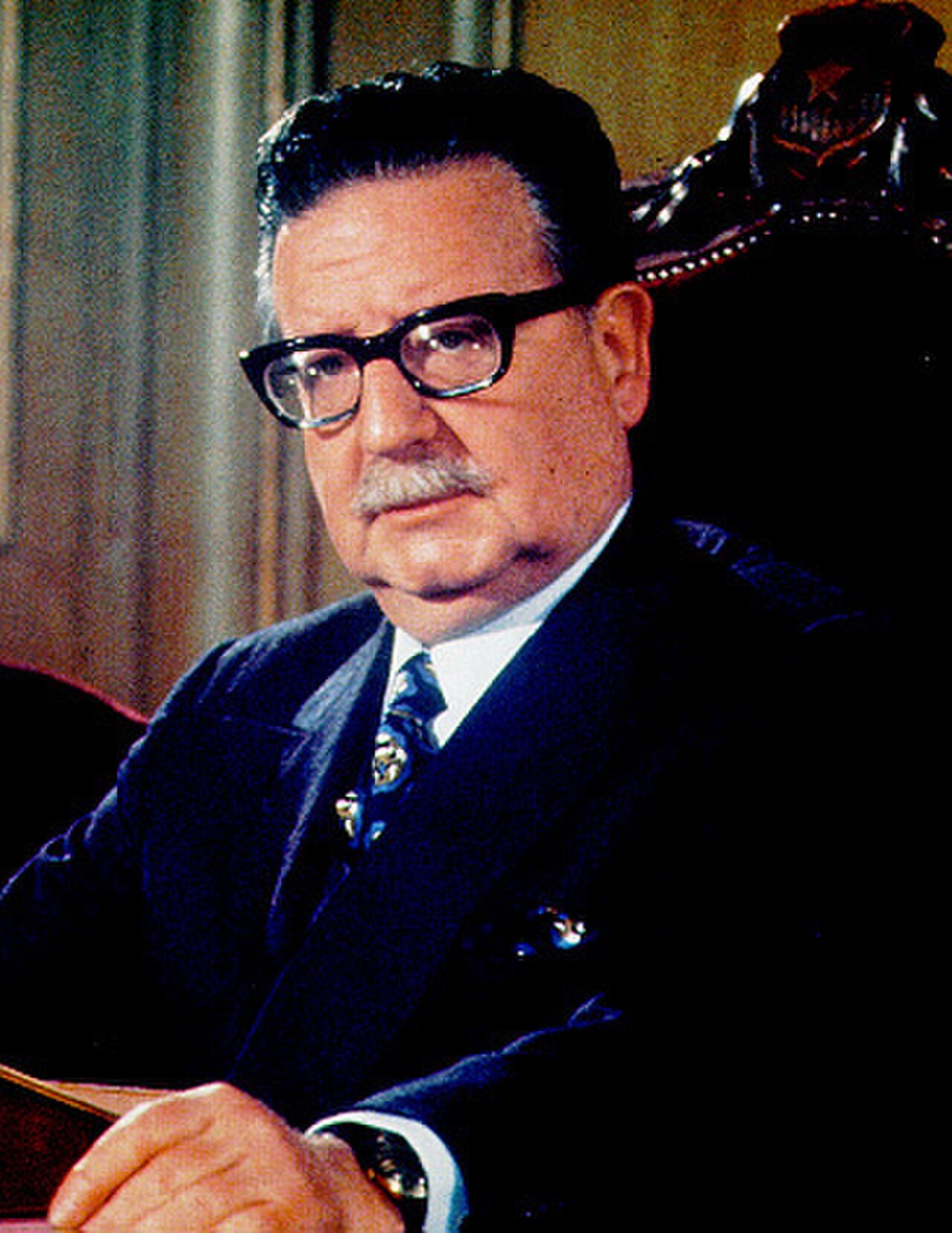
Salvador Allende
From Medical Practice to Political Activism
Salvador Allende Gossens was born on June 26, 1908, in Valparaíso, Chile. His early life was marked by a strong sense of social justice, which led him to pursue medicine. After graduating from the University of Chile, he became a respected physician, dedicating himself to public health and pediatric care.
However, Allende's commitment extended beyond individual healing; he believed in systemic change to address the deep-seated inequalities plaguing Chilean society. He co-founded the Socialist Party of Chile in 1933, becoming a leading voice for workers' rights and social reform. His political career spanned decades, including terms as Minister of Health and a long tenure as a senator, where he consistently advocated for policies aimed at improving the lives of the working class and the poor.
The Historic Election of 1970 and 'La Vía Chilena al Socialismo'
In 1970, Salvador Allende achieved a landmark victory, becoming the first Marxist to be democratically elected president of a Latin American nation. His election was a testament to his enduring political influence and the widespread desire for change among the Chilean populace. Allende's platform centered on 'La vía chilena al socialismo' (the Chilean way to socialism), a unique approach that sought to achieve socialist transformation through democratic and constitutional means, rather than revolution.
This strategy aimed to dismantle the existing capitalist structures and establish a more equitable society by nationalizing key industries, redistributing land, and expanding social welfare programs, all while respecting democratic institutions and processes.
Transformative Policies and Economic Realities
Upon assuming the presidency, Allende embarked on a series of ambitious reforms. His government swiftly moved to nationalize Chile's crucial copper mines, which were largely controlled by foreign corporations, asserting national sovereignty over vital resources. Land reform was a cornerstone of his agenda, with large agricultural estates being expropriated and redistributed to peasant farmers, aiming to increase productivity and rural prosperity. Allende also prioritized social spending, expanding access to education, healthcare, and housing.
These policies led to initial improvements in living standards for many, particularly the poor, but also generated significant economic challenges, including inflation and shortages, exacerbated by internal opposition and external pressures, including economic sanctions.
Enduring Legacy and Complex Historical Context
Salvador Allende's presidency was tragically cut short on September 11, 1973, during a military coup. His death and the subsequent dictatorship marked a dark period in Chilean history. Despite the controversial circumstances surrounding his downfall and the complex economic outcomes of his policies, Allende remains a powerful symbol of democratic socialism and a champion for social justice.
His attempt to forge a socialist path through democratic means continues to be studied and debated globally, influencing political thought and movements advocating for greater economic equality and self-determination. He is remembered for his unwavering dedication to his ideals and his profound impact on the trajectory of Chile and Latin America.
See also
Frequently Asked Questions
Who was Salvador Allende?+
What did Allende do as president?+
Why did Allende want to change Chile?+
How did Allende's presidency end?+
Why is Allende remembered today?+
Based on content from Wikipedia · Licensed under CC BY-SA 4.0