

Salford City F.C.
Images
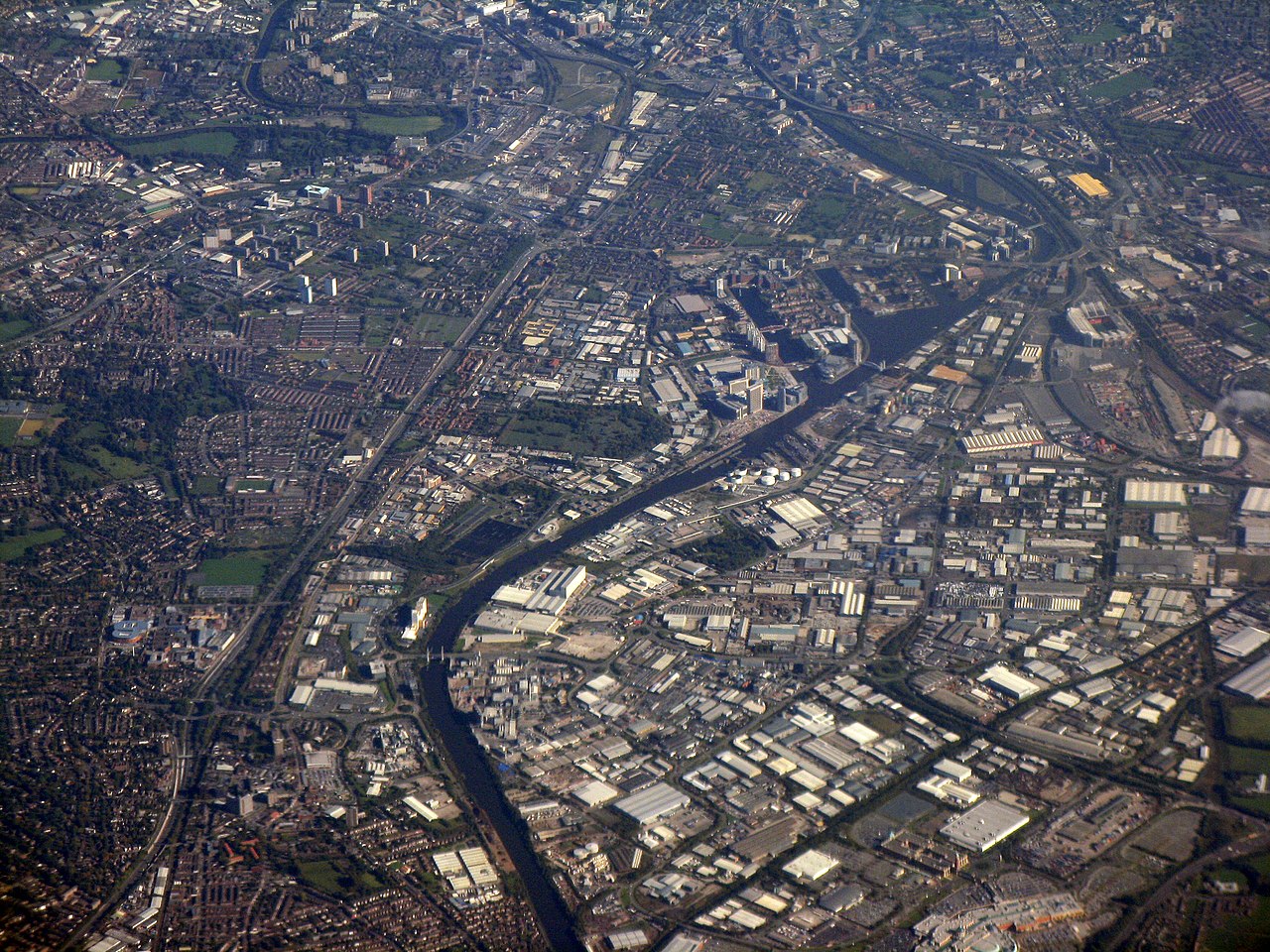
Aerial photograph of Salford and Trafford Park

A Trajectory of Growth
Salford City F.C.'s journey is a compelling case study in club development within the English football pyramid. Founded as Salford Central in 1940, the club spent decades navigating the complexities of local amateur and semi-professional leagues. Their consistent success in cup competitions, including multiple Lancashire Amateur Cup and Manchester Premier Cup wins throughout the 1970s and early 1980s, laid the groundwork for progression.
The amalgamation of leagues and their subsequent entry into the North West Counties Football League marked significant steps. A pivotal moment arrived in 2008 with promotion to the Northern Premier League, culminating in the legendary 'Great Escape' the following season – a testament to resilience and determination that has become a cornerstone of club folklore. This sustained upward mobility, driven by on-field performance and strategic league advancements, illustrates a club steadily climbing the ranks, transforming from a local entity into a professional outfit with broader aspirations.
The Peninsula Stadium
The physical infrastructure of Salford City F.C. has undergone a profound metamorphosis, epitomized by the redevelopment of their home ground, Moor Lane, into the Peninsula Stadium. This extensive renovation, occurring between 2016 and 2017, signifies more than just an upgrade; it represents the club's commitment to modern standards and commercial viability. The renaming of the stadium for sponsorship purposes highlights the increasing importance of commercial partnerships in contemporary football.
Furthermore, the shift in team colors from the traditional tangerine to red and white, coinciding with the major ownership changes, symbolizes a deliberate rebranding effort. This visual alteration, while potentially divisive for long-standing supporters, underscores the club's strategic intent to forge a new identity that aligns with its elevated status and ambitious future trajectory, balancing heritage with the demands of the modern game.
Celebrity Ownership
The ownership structure of Salford City F.C. is perhaps its most distinctive and widely discussed feature. The 2014 acquisition by the 'Class of '92' – Nicky Butt, Ryan Giggs, Gary and Phil Neville, and Paul Scholes – former Manchester United stars, injected a significant level of profile and investment into the club. This celebrity endorsement brought immediate attention and resources, aiming to propel Salford City into higher leagues.
The subsequent involvement of Singaporean businessman Peter Lim, and later David Beckham's purchase of a stake, further amplified the club's global visibility. The recent acquisition of Lim's stake by Gary Neville and the subsequent formation of a new ownership group led by Beckham and Neville, including international businessmen, signifies a continued evolution of this high-profile model. This celebrity-driven ownership model, while a powerful catalyst for growth and ambition, also invites intense scrutiny regarding its long-term sustainability and impact on the club's traditional identity.
Cultural Resonance
Beyond the pitch and boardroom, Salford City F.C. maintains a strong connection to its roots through its cultural markers. The nickname 'The Ammies' is a direct link to the club's historical moniker, Salford Amateurs, prevalent from the early 1960s to the early 1970s, fostering a sense of continuity and heritage. This historical resonance is further amplified by the adoption of The Pogues' cover of 'Dirty Old Town' as the club's anthem.
Written by Salford native Ewan MacColl, the song is deeply embedded in the city's cultural landscape, providing the club with a powerful, emotionally charged soundtrack that reflects local pride and identity. This deliberate integration of local culture into the club's modern persona serves to ground its ambitious trajectory in the community it represents, creating a unique narrative that distinguishes it within the competitive footballing world.
See also
Based on content from Wikipedia · Licensed under CC BY-SA 4.0