

Rzeszów
Images

File:Nowy terminal portu lotniczego Rzeszów-Jasionka.JPG




Geographical Anchors
Rzeszów's strategic placement is fundamental to its identity. Situated in southeastern Poland, it lies within the expansive Sandomierz Basin, a region characterized by its relatively flat topography and fertile lands, historically conducive to agriculture and transportation. The city is bisected by the Wisłok River, a tributary of the San River, which has historically served as a vital artery for local commerce and settlement.
As the capital of the Subcarpathian Voivodeship, Rzeszów functions as the administrative, economic, and cultural nucleus for a significant portion of southeastern Poland. This central role dictates its infrastructure development, service provision, and regional influence, positioning it as a key metropolitan center.
Echoes of Empire
The historical trajectory of Rzeszów is deeply intertwined with its role as a pivotal trading post. Granted city rights by King Casimir III the Great in 1354, its prosperity was initially fueled by its position on crucial trade routes linking Western Europe with the Middle East and the territories of the Ottoman Empire. This connectivity fostered an environment of commercial exchange and cultural cross-pollination.
By the 16th century, Rzeszów's trade network extended to Gdańsk, providing access to the Baltic Sea and further amplifying its economic significance. The city experienced periods of growth under various noble patrons, fostering craftsmanship and commerce. Following the Partitions of Poland, Rzeszów was incorporated into the Austrian Empire, enduring a period of foreign rule until Poland regained its independence after World War I.
This historical arc underscores the city's resilience and its enduring importance as a regional center.
Economic Dynamism and Educational Excellence
In contemporary times, Rzeszów has solidified its reputation as one of Poland's most attractive cities for investment and development. Forbes recognized its potential by ranking it second among semi-large cities for business attractiveness, a testament to its burgeoning economy. This economic vitality is supported by a robust industrial base and a growing service sector. Furthermore, Rzeszów is a significant educational hub, hosting numerous higher education institutions that attract both domestic and international students.
This concentration of academic talent contributes to innovation and a skilled workforce, further bolstering the city's economic prospects. The presence of foreign consulates also highlights its international engagement and growing global connections.
Cultural Heritage and Urban Evolution
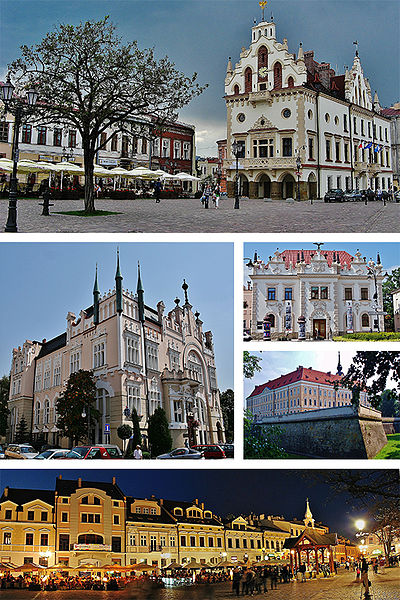
Rzeszów actively cultivates its rich cultural heritage while embracing modern urban development. Its Old Town, featuring the Main Market Square, along with its historic churches and synagogues, represents some of the best-preserved architectural ensembles in Poland. These sites serve as tangible links to the city's past, attracting cultural tourism and providing a unique ambiance.
The city's population has seen substantial growth, notably influenced by an influx of Ukrainian refugees following the Russian invasion of Ukraine, underscoring Rzeszów's role as a humanitarian and logistical center. This demographic shift, coupled with strategic urban planning, including potential border expansions, aims to strengthen Rzeszów's position as a leading metropolitan entity in southeastern Poland.
Connectivity and European Integration
Rzeszów's strategic importance is further amplified by its modern infrastructure and international affiliations. The presence of an international airport facilitates global connectivity, enabling efficient travel and trade. As a member of Eurocities, a network of major European cities, Rzeszów actively participates in collaborative initiatives focused on urban development, policy exchange, and cultural cooperation.
This engagement signifies its commitment to European integration and its role in shaping the future of urban living across the continent. The city's ongoing development plans, aimed at enhancing its metropolitan functions, reflect a forward-looking approach to regional leadership and sustainable growth.
See also
Frequently Asked Questions
What is Rzeszów and where is it located?+
Why was Rzeszów important for trade in the past?+
How does Rzeszów help students and learning?+
What can you see in Rzeszów's Old Town?+
Why are many people moving to Rzeszów now?+
Based on content from Wikipedia · Licensed under CC BY-SA 4.0