

Runes: Secret Symbols of the Past!
Images
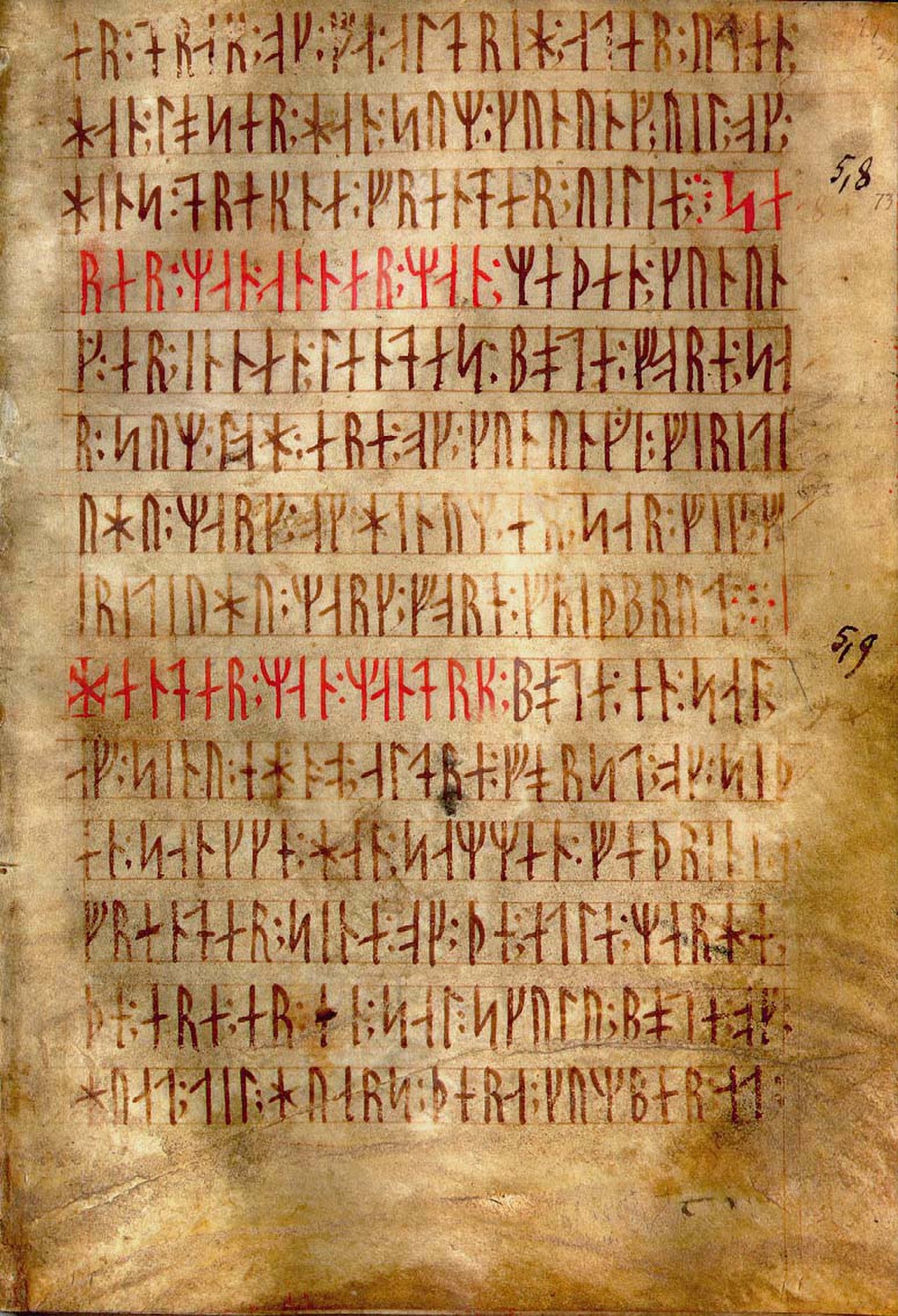
Runes
The Genesis and Evolution of Runic Alphabets
Runes represent a fascinating chapter in the history of writing systems, emerging among Germanic peoples around the 1st to 2nd century CE. While their precise origins are still debated, scholars generally agree they were influenced by Mediterranean scripts, such as Latin or Greek alphabets, adapted to suit the linguistic and cultural needs of the Germanic tribes. The earliest known runic alphabet is the Elder Futhark, comprising 24 distinct characters, which served as the foundation for subsequent runic scripts.
Over centuries, these alphabets evolved and diversified across different regions and time periods. The Anglo-Saxon Futhorc, for instance, expanded to 28-33 letters to accommodate Old English sounds, while the Younger Futhark, used by the Vikings during the Viking Age, was a simplified version with only 16 runes. This adaptability highlights the dynamic nature of runes as living communication tools that responded to changing societal and linguistic landscapes.
The very form of runes, characterized by angular, straight strokes, was a practical adaptation for carving onto materials like wood, bone, and stone, eschewing curves that were difficult to incise.
Beyond Literacy
The importance of runes transcends mere literacy; they were deeply embedded in the spiritual, magical, and social fabric of ancient Germanic societies. Each rune possessed not only a phonetic value but also a name and a rich tapestry of symbolic meanings, often associated with deities, natural phenomena, abstract concepts, or aspects of life such as wealth, strength, protection, and fertility. This inherent symbolic power led to their widespread use in divination, where the casting and interpretation of runes were believed to offer guidance, insight into the future, or answers to pressing questions.
Furthermore, runes were frequently inscribed on amulets, talismans, weapons, and tools, intended to imbue them with protective qualities, enhance their efficacy, or bestow blessings upon their owners. The act of carving a rune was often considered a ritualistic process, imbuing the inscription with a sense of permanence and magical potency. This profound connection between the written word and mystical power underscores the unique role runes played in their cultural context.
Deciphering the Past
The study of runes is indispensable for historians and archaeologists seeking to understand the pre-Christian and early medieval periods of Northern Europe. Runic inscriptions, found on a vast array of artifacts ranging from monumental stones (like the famous Viking runestones) and weapons to everyday objects such as combs and jewelry, provide invaluable primary source material. These inscriptions offer direct insights into the languages spoken, the names of individuals, social structures, religious beliefs, and historical events of the time.
For example, runestones often commemorate the dead, detail voyages, or mark territorial claims, serving as crucial historical records. The decipherment of these inscriptions allows scholars to reconstruct lost languages, trace migration patterns, and gain a more nuanced understanding of the daily lives, customs, and worldview of peoples who left few other written records. The tangible nature of runic artifacts also makes them vital archaeological evidence, connecting abstract linguistic data to concrete historical objects.
The Enduring Echo
While the widespread use of runes as a primary writing system declined with the adoption of the Latin alphabet and the spread of Christianity, their legacy has persisted in various forms. In modern times, runes have experienced a resurgence of interest, particularly within Neopaganism and esoteric traditions, where they are employed for divination, meditation, and spiritual practice, often drawing on interpretations of their ancient symbolic meanings. Academically, runology remains a vibrant field of study, with ongoing research dedicated to deciphering new inscriptions, understanding the linguistic evolution of runic scripts, and exploring their historical and cultural contexts.
Beyond academic and esoteric circles, runes have also found their way into popular culture, appearing in literature, film, and video games, often evoking a sense of ancient mystery and power. This enduring appeal speaks to the captivating nature of these ancient symbols and their continued ability to spark curiosity and imagination across diverse audiences.
Go deeper
Frequently Asked Questions
What are runes and who used them?+
How many runes were in the oldest alphabet?+
Why were runes written with straight lines?+
What special powers were believed to be inside runes?+
How do runestones help us learn about the past?+
Based on content from Wikipedia · Licensed under CC BY-SA 4.0