

Royal Family: Kings, Queens, and Their Families!
Images
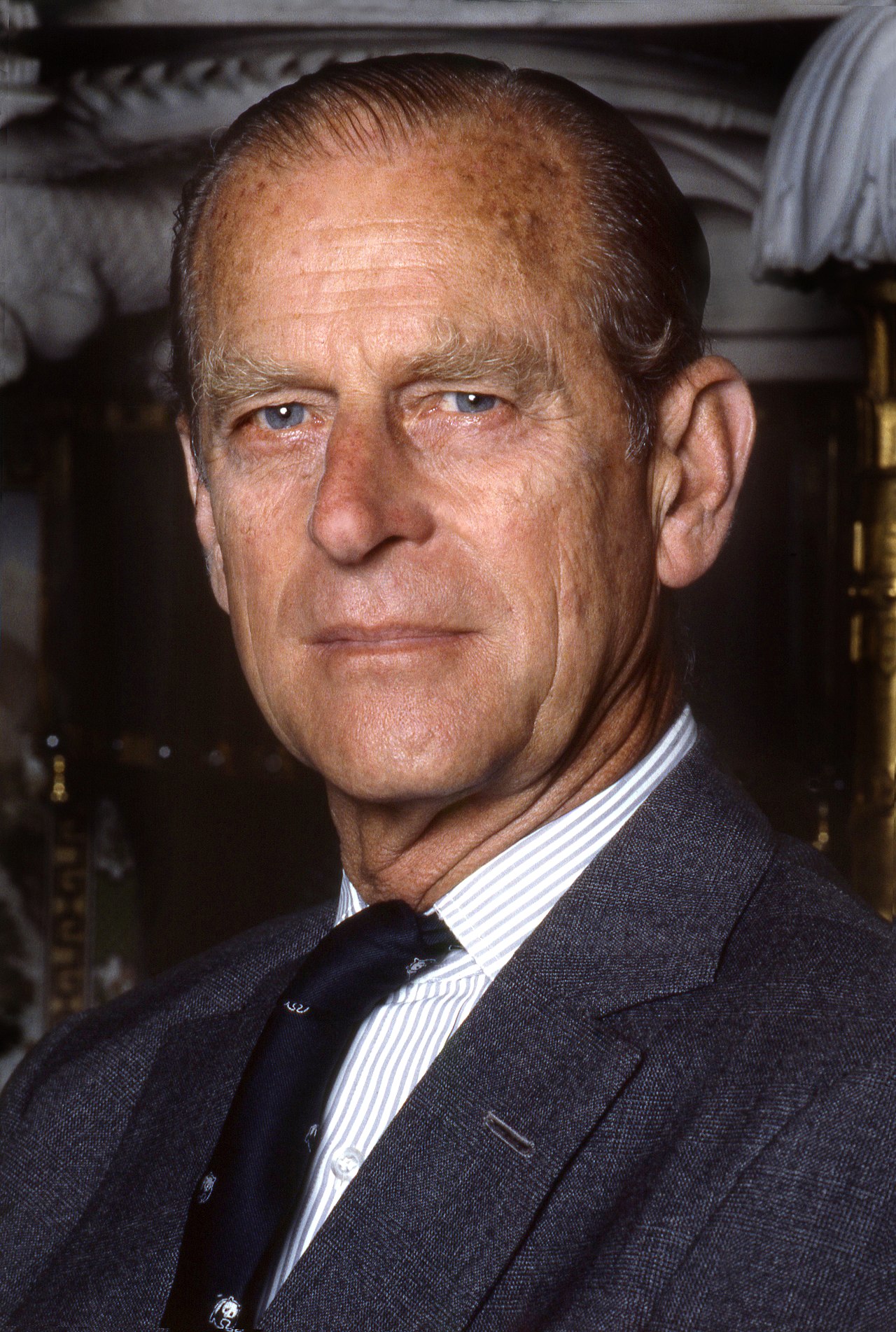
<div class='fn'> Portrait of <a href='https://en.wikipedia.org/wiki/en:Prince_Philip,_Duke_of_Edinburgh' class='extiw' title='w:en:Prince Philip, Duke of Edinburgh'><span title='member of the British royal family, husband of Queen Elizabeth II (1921–2021)'>Prince Philip, Duke of Edinburgh</span></a> (1921–2021)</div>


![Canton, China [c1880] R.H. Brown [RESTORED]](https://live.staticflickr.com/2457/4104767782_044844624a_n.jpg)


Defining the Royal Sphere
The term 'royal family' broadly encompasses the immediate relatives of a monarch, but its definition can extend to encompass broader dynastic connections. This includes not only spouses and children but also parents, siblings, and sometimes even more distant cousins who share a lineage to the throne. The Wikipedia source notes that specific terms exist for families of various sovereign rulers: 'imperial family' for emperors/empresses, and 'papal family' for popes.
Furthermore, it acknowledges more specific titles like baronial, comital, ducal, archducal, grand ducal, and princely families, each denoting a distinct level of hereditary authority. In common parlance, however, any family ruling by hereditary right is often colloquially termed 'royalty.' The concept also extends to the descendants of deposed monarchs, maintaining a connection to a former royal status. A dynasty, often referred to as the 'House of [Name],' signifies a continuous line of rulers from the same family, underscoring the importance of lineage and succession in maintaining royal identity.
The Historical Trajectory of Hereditary Rule
The establishment of royal families as ruling entities is deeply rooted in human history, evolving from tribal chieftancies and feudal systems. The principle of hereditary right became the cornerstone of royal legitimacy, ensuring a predictable succession and often a perceived divine mandate. This system was not merely a matter of birthright but was frequently reinforced by religious and cultural beliefs that positioned monarchs as divinely appointed or chosen by fate.
Over centuries, this evolved into complex systems of primogeniture and other succession laws designed to prevent disputes and maintain dynastic stability. The rise of distinct titles like king, queen, emperor, and prince reflected varying degrees of power and territorial control, each associated with its own specific family structure and protocols. The persistence of these structures, even as political landscapes shifted, speaks to their deep cultural and historical significance.
The Enduring Significance of Royal Families in the 21st Century
Despite the global trend towards republicanism and democratic governance, royal families continue to hold significant sway in various forms. Their importance transcends mere political power, often serving as potent symbols of national identity, historical continuity, and cultural heritage. In constitutional monarchies, while their executive authority may be limited, their symbolic role is paramount.
They act as unifying figures, embodying the nation's history and traditions, and providing a sense of stability amidst rapid societal change. Royal families also frequently engage in extensive philanthropic activities, leveraging their public profile to champion social causes, raise awareness, and mobilize support for charitable organizations. This dual role – as custodians of tradition and active participants in contemporary social issues – allows them to maintain relevance and foster a connection with their populations, demonstrating that their significance is multifaceted and enduring.
The Global Landscape of Contemporary Monarchies
The world continues to feature a diverse array of monarchies, each headed by a royal family. As of July 2013, the data indicates a substantial presence of 26 active sovereign dynasties presiding over 43 monarchies. This statistic highlights the global reach and persistence of monarchical systems.
These dynasties, often referred to by their 'House' name, represent a continuity of rule that can span centuries. While the specific powers and roles of these monarchies vary significantly – from absolute monarchies where rulers hold supreme authority to constitutional monarchies where their power is largely ceremonial – the existence of these royal families underscores a continuing tradition of hereditary leadership. Their presence across different continents and cultures demonstrates the adaptability and enduring appeal of monarchical governance in various socio-political contexts.
Go deeper
Frequently Asked Questions
What is a royal family?+
Who can be part of a royal family?+
What is a dynasty?+
Why do royal families still matter today?+
What do royal families do besides being a symbol?+
Based on content from Wikipedia · Licensed under CC BY-SA 4.0