

Royal Academy of Dramatic Art
Images

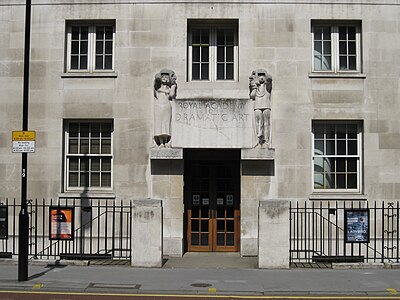
Royal Academy of Dramatic Art entrance 2025-10-24


The Crucible of Performance
The Royal Academy of Dramatic Art (RADA) stands as a beacon of excellence in performing arts education, offering rigorous vocational training that prepares students for the demanding worlds of theatre, film, television, and radio. Situated in the academic and cultural hub of Bloomsbury, London, RADA is more than just a school; it is a conservatoire dedicated to the holistic development of actors, stage managers, and technicians.
Its curriculum is designed to foster not only technical proficiency but also the intellectual and emotional depth required for compelling performances. RADA's commitment to high standards is reflected in its validated higher education awards, which are overseen by King's College London, ensuring academic rigor alongside practical artistry. As a founding member of the Federation of Drama Schools, RADA contributes to setting the benchmark for drama training across the United Kingdom.
A Century of Stagecraft
Founded in 1904 by the influential theatre producer Sir Herbert Beerbohm Tree, RADA emerged at a time when formal acting training was becoming increasingly recognized as essential for professional success. The academy quickly established itself, moving to its Gower Street premises in 1905. A pivotal moment arrived in 1920 with the granting of a royal charter, signifying its national importance and prestige.
This was further cemented by the opening of a dedicated theatre on Malet Street in 1921, inaugurated by Edward, Prince of Wales. The subsequent decades saw RADA solidify its position through consistent government subsidies starting in 1924 and continuous development of its facilities, which now include multiple performance spaces and a cinema. This long history underscores RADA's enduring influence on the evolution of dramatic arts education.
The Art of Embodiment
RADA's distinctive approach to training actors is characterized by its intensity and comprehensive nature. Students engage in deep exploration of character, voice, movement, and text, learning to inhabit diverse roles with authenticity and power. The curriculum emphasizes a blend of classical and contemporary techniques, equipping graduates with the versatility needed to navigate the varied demands of the industry.
Voice training, for instance, is crucial, ensuring actors can project and articulate with clarity and emotional resonance across different performance mediums. The academy's close ties with industry professionals, exemplified by its principal industry partner Warner Bros. Entertainment, provide invaluable insights and opportunities, bridging the gap between academic training and professional practice. This ensures that RADA graduates are not only skilled performers but also adaptable and resilient artists.
A Pantheon of Talent
While the provided source material does not list specific alumni, RADA's reputation is built upon the extraordinary careers of its graduates. The academy has consistently produced actors who have achieved international acclaim, winning prestigious awards and shaping the cultural landscape through their performances. The caliber of talent nurtured at RADA is evident in the sheer volume of its alumni who are leading figures in theatre, film, and television globally.
The school's influence extends beyond individual success; it plays a crucial role in maintaining the high standards of the performing arts. The continued patronage of the monarchy, with King Charles III as its current royal patron, alongside prominent figures like President David Harewood and Vice President Cynthia Erivo, highlights RADA's ongoing significance and its role as a custodian of theatrical tradition and innovation.
See also
Frequently Asked Questions
What is the Royal Academy of Dramatic Art (RADA)?+
Why is RADA special for actors and performers?+
How does RADA help students learn to act?+
Where is RADA located and what does it have inside?+
Who can study at RADA and what do they become?+
Based on content from Wikipedia · Licensed under CC BY-SA 4.0