

Rosh Hashanah: The Happy New Year!
Images
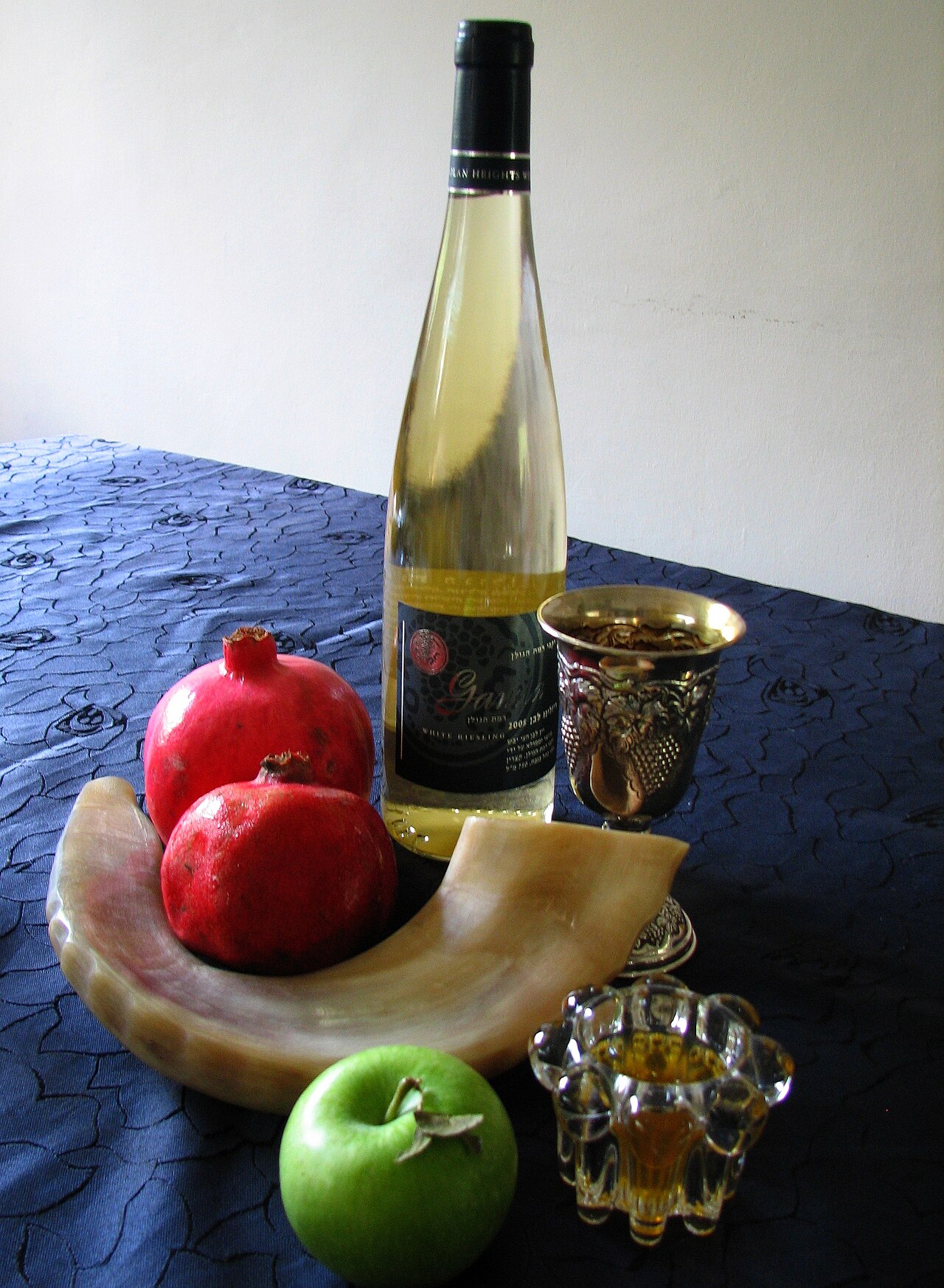
Rosh Hashanah
Theological Underpinnings and Cosmic Significance
Rosh Hashanah, observed on the first and second days of the Hebrew month of Tishrei, is far more than a simple calendar reset; it is theologically profound. It marks the anniversary of the world's creation, positioning it as a time when God adjudicates the fate of all creation for the coming year. This period initiates the Yamim Noraim, the Ten Days of Repentance, culminating in Yom Kippur.
The holiday's essence lies in the affirmation of God's sovereignty and the recognition of humanity's moral accountability. It is a time when the universe is judged, and individuals are called to introspection and a recommitment to ethical living. The prayers recited, particularly the Musaf Amidah, emphasize God's kingship, remembrance, and the sounding of the shofar as a divine call to attention.
The Shofar's Multifaceted Resonance
The blast of the shofar is the most iconic ritual of Rosh Hashanah, carrying layers of meaning. Traditionally crafted from a ram's horn, its raw, unadorned sound transcends mere noise; it is a spiritual alarm clock. It serves as a symbolic reminder of the Akedah (the binding of Isaac), where a ram was sacrificed in place of Isaac, highlighting themes of divine providence and willingness to sacrifice.
Furthermore, the shofar's call is interpreted as a coronation fanfare for God as King of the Universe and a clarion call for repentance, urging individuals to awaken from spiritual slumber and confront their actions. The distinct sequences of blasts-the single, long 'tekiah,' the broken 'shevarim,' and the staccato 'teruah'-each contribute to this complex auditory tapestry, designed to stir the soul and prompt profound self-examination.
Culinary Symbolism and Ritual Foods
The gastronomic landscape of Rosh Hashanah is deliberately symbolic, transforming meals into edible prayers. The ubiquitous practice of dipping apples in honey encapsulates the fervent hope for a sweet, prosperous, and abundant new year. This tradition connects the sweetness of the fruit and honey to the desired quality of the year ahead.
The round challah bread, often studded with raisins, represents the cyclical nature of time and life, and the wish for a year that is complete and unbroken. Other symbolic foods may include a fish head, signifying leadership and the desire to be at the 'head' rather than the 'tail' of affairs, or leeks, whose name in Hebrew sounds like 'to destroy enemies,' symbolizing the wish to overcome adversaries. These foods serve as tangible expressions of communal aspirations and theological concepts.
The Dual Nature
Rosh Hashanah embodies a unique duality: it is both a Day of Judgment (Yom HaDin) and a Day of Remembrance (Yom HaZikaron). While God is depicted as reviewing the deeds of humanity, the emphasis is not on punitive condemnation but on an opportunity for divine mercy and human transformation. The concept of 'teshuva' (repentance) is paramount, signifying a return to God and to one's authentic self.
This process involves acknowledging wrongdoing, seeking forgiveness from those wronged, and resolving to change behavior. The Tashlikh ceremony, performed by casting breadcrumbs into flowing water, visually represents the symbolic casting away of sins, reinforcing the theme of purification and the potential for a fresh, unburdened start. This period underscores the belief that human actions and sincere repentance can influence divine judgment.
Contemporary Relevance and Observance
In contemporary Jewish life, Rosh Hashanah remains a cornerstone holiday, observed with deep reverence and communal participation. Synagogue services are extended and feature special liturgy. Families gather for festive meals, reinforcing bonds and passing down traditions. Beyond the religious observance, the holiday's themes of self-reflection, forgiveness, and renewal resonate universally.
In a world often characterized by rapid change and uncertainty, Rosh Hashanah offers a structured pause for individuals to assess their lives, mend relationships, and cultivate hope for the future. Its emphasis on personal responsibility and the possibility of positive change makes it a timeless and relevant observance for Jews worldwide.
Go deeper
Frequently Asked Questions
What is Rosh Hashanah?+
Why do people blow a shofar on Rosh Hashanah?+
What foods do people eat on Rosh Hashanah and why?+
What is the Tashlikh ceremony?+
What does the shofar sound like?+
Based on content from Wikipedia · Licensed under CC BY-SA 4.0