

Riviera Maya
Images

Beach Cozumel - Riviera Maya Ocean View


Geographical Tapestry of the Riviera Maya
The Riviera Maya is a prominent tourism and resort district situated south of Cancun on Mexico's Yucatán Peninsula, specifically within the state of Quintana Roo. Its geographical identity is defined by its extensive Caribbean coastline, traversed by the Federal Highway 307, which serves as the primary artery for development and access. The region's landscape is characterized by a tropical savanna climate, featuring warm temperatures and distinct wet and dry seasons, fostering rich biodiversity.
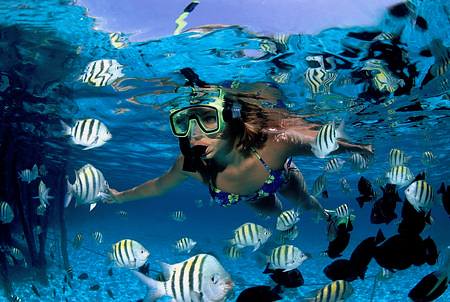
Ecologically, it is famous for its cenotes – natural sinkholes leading to underground freshwater systems – and its proximity to the Mesoamerican Barrier Reef System, the second-largest in the world, supporting vibrant marine life. The designation has evolved; initially focused on the coastline between Playa del Carmen and Tulum, it now encompasses a broader area, extending north to Puerto Morelos and inland to include Felipe Carrillo Puerto, and stretching approximately 40 kilometers (25 miles) into the peninsula's interior, bordering the state of Yucatán.
This expansion reflects a strategic effort to promote a larger, more diverse tourist corridor.
Evolution of a Renowned Destination
The transformation of the Riviera Maya from a lesser-known coastal stretch to a globally recognized destination is a story of strategic branding and development. Originally referred to as the 'Cancun-Tulum corridor,' the area underwent a significant rebranding in 1999. Spearheaded by figures like Miguel Ramón Martín Azueta, then municipal president of Solidaridad, the name 'Riviera Maya' was adopted.
This nomenclature was deliberately chosen to evoke the allure and prestige associated with the European Rivieras (Italian and French), aiming to position the Mexican coast as a premier international vacation spot. This renaming was instrumental in consolidating the region's identity and marketing it as a cohesive tourist corridor, encompassing the municipalities of Solidaridad and Tulum, and facilitating coordinated development and promotion efforts that have shaped its modern character.
Cultural Resonance
The Riviera Maya is deeply intertwined with the history and cultural legacy of the ancient Maya civilization. This region was a significant center for Maya activity, evidenced by numerous archaeological sites that dot the landscape. Iconic locations such as Tulum, a stunning walled city perched on a cliff overlooking the Caribbean, and Coba, known for its towering Nohoch Mul pyramid, offer profound insights into Maya urban planning, astronomy, and religious practices.
These sites are not merely historical relics but are integral to the region's identity and appeal, attracting visitors interested in pre-Columbian history. The enduring influence of Maya culture is also present in the local communities, traditions, and even the languages spoken, providing a rich cultural backdrop to the modern tourism industry. The region's development has had to navigate the preservation of these invaluable historical sites while accommodating contemporary growth.
Economic Drivers
The economy of the Riviera Maya is overwhelmingly dominated by the tourism sector. Its world-class beaches, cenotes, coral reefs, and archaeological sites draw millions of international and domestic tourists annually, making it one of Mexico's most lucrative tourist destinations. This robust tourism industry supports a vast array of businesses, including hotels, resorts, restaurants, tour operators, transportation services, and retail establishments.
The economic impact is substantial, generating significant employment and foreign exchange revenue for Mexico. Beyond direct tourism services, the region also experiences growth in real estate development, particularly for vacation homes and luxury properties, and related service industries catering to an international clientele. While tourism is paramount, the region also engages in some agricultural activities and fishing, though these are secondary to the economic powerhouse that is tourism.
Governance and Development in a Tourist Hub
The Riviera Maya falls under the administrative jurisdiction of the state of Quintana Roo, Mexico. The region is primarily composed of the municipalities of Solidaridad (which includes Playa del Carmen) and Tulum. Governance involves local municipal authorities responsible for public services, urban planning, and local regulations, alongside state and federal oversight concerning environmental protection, infrastructure development, and tourism policy.
The rapid growth driven by tourism presents unique governance challenges, particularly in balancing economic development with environmental sustainability and the preservation of cultural heritage. Policies often focus on managing tourism flows, protecting natural resources like coral reefs and cenotes, and ensuring the safety and well-being of both residents and visitors. The ongoing development requires careful planning to mitigate potential negative impacts and ensure long-term viability.
Educational Landscape and Cultural Transmission
The educational landscape in the Riviera Maya is shaped by its status as a major tourist destination and its rich cultural heritage. While Spanish is the primary language of instruction, English is widely taught and spoken, reflecting the significant international presence and the demands of the tourism industry. Educational institutions range from local primary and secondary schools serving the resident population to specialized vocational training centers focused on hospitality and tourism management.
Higher education opportunities are available in larger nearby cities like Cancun and Chetumal, offering programs relevant to the region's economic drivers. Furthermore, the region's educational focus often includes cultural immersion programs and archaeological studies, leveraging the presence of Maya heritage sites. Efforts are made to integrate the preservation of Maya traditions and languages into the educational curriculum, ensuring that the region's unique cultural identity is passed down through generations amidst rapid modernization and global influence.
Go deeper
Frequently Asked Questions
What is the Riviera Maya?+
Where is the Riviera Maya located?+
Why do people visit the Riviera Maya?+
What are cenotes and why are they special in the Riviera Maya?+
Who helped rename the Riviera Maya and why?+
Based on content from Wikipedia · Licensed under CC BY-SA 4.0