

Riparian Zone: The Super Cool River's Edge!
Images

Santa Fe River Camino Pequeno trail area, riparian zone


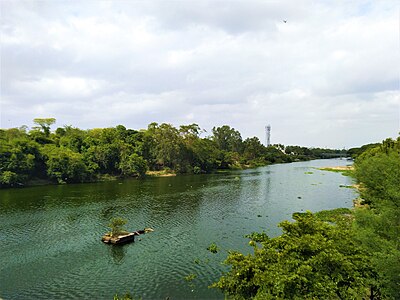


Defining the Riparian Interface
The riparian zone, often termed the ecotone between terrestrial and aquatic systems, is a complex and highly productive ecological area. It is characterized by unique soil moisture regimes, vegetation composition, and microclimates influenced by proximity to water bodies such as rivers, streams, lakes, and wetlands. Unlike adjacent upland or aquatic environments, riparian zones exhibit distinct hydrological patterns, including seasonal flooding and fluctuating water tables, which dictate the types of flora and fauna that can establish and thrive.
These zones are not static; they are dynamic landscapes shaped by geomorphological processes like erosion, deposition, and channel migration, constantly evolving over time. The high productivity and unique environmental conditions make riparian zones biodiversity hotspots, often supporting species that are dependent on this specific interface for survival, including many amphibians, insects, and migratory birds.
A Historical Perspective
Historically, human civilizations have been intrinsically linked to riparian zones due to their provision of water, fertile soils, and transportation routes. Early agricultural societies settled along river valleys, often clearing riparian vegetation for crops and settlements, thereby altering natural flood regimes and sediment transport. The Industrial Revolution intensified these impacts, with riparian areas being channelized, dammed, and polluted for industrial development, hydropower, and urban expansion.
This widespread alteration led to significant ecological degradation, including loss of habitat, increased erosion, and diminished water quality. In recent decades, a growing understanding of the ecological services provided by riparian zones has spurred conservation and restoration efforts. This shift reflects a recognition that healthy riparian ecosystems are fundamental to sustainable water management and overall environmental health, moving from exploitation to stewardship.
Ecological Services
Riparian zones provide an array of critical ecological services that are fundamental to both environmental health and human well-being. Foremost among these is water quality improvement. The dense vegetation and permeable soils act as natural filters, intercepting and assimilating pollutants such as excess nutrients (nitrogen, phosphorus) and sediments from agricultural runoff, urban stormwater, and wastewater.
This filtration process is vital for maintaining the ecological integrity of downstream aquatic ecosystems and ensuring the safety of drinking water sources. Furthermore, riparian zones are crucial for flood mitigation. Their capacity to absorb and slowly release water helps to attenuate peak flows during storm events, reducing flood damage to infrastructure and human settlements.
They also stabilize stream banks, preventing excessive erosion and maintaining channel morphology. Beyond these hydrological functions, riparian zones serve as essential corridors for wildlife movement, connecting fragmented habitats and supporting species migration, thus enhancing landscape connectivity and resilience.
Mechanisms of Riparian Functionality
The functionality of a riparian zone is a result of the intricate interplay between its hydrological regime, vegetation structure, and soil characteristics. The hydrological cycle, including precipitation, surface runoff, and groundwater exchange, dictates soil moisture levels and the frequency and duration of inundation, which in turn influence plant community composition. Dominant riparian vegetation, such as willows, cottonwoods, and alders, possess adaptations like deep root systems that enhance soil stability, preventing bank erosion and contributing to channel sinuosity.
Their canopy cover provides shade, moderating water temperatures and influencing aquatic habitats. The organic matter produced by riparian vegetation enriches the soil, enhancing its structure and water-holding capacity. This complex web of interactions ensures that riparian zones are highly productive and resilient ecosystems, capable of performing their vital ecological functions across diverse environmental conditions.
Global Distribution and Management Imperatives
Riparian zones are ubiquitous features of the global landscape, occurring along virtually every perennial and intermittent watercourse, from small headwater streams in boreal forests to vast river systems in tropical rainforests and arid regions. Their specific characteristics vary greatly depending on climate, geology, and the type of water body. For instance, desert riparian zones are often narrow, linear oases supporting unique flora and fauna, while those in temperate regions can be extensive wetlands.
Despite their global presence, many riparian zones worldwide are degraded due to anthropogenic pressures. Effective management strategies are therefore paramount, encompassing protection of remaining intact zones, restoration of degraded areas through revegetation and re-establishment of natural hydrological processes, and sustainable land-use practices in adjacent areas. Integrated watershed management approaches are essential to ensure the long-term health and functionality of these critical ecological interfaces.
See also
Frequently Asked Questions
What is a riparian zone?+
Why do riparian zones help keep water clean?+
How do riparian zones protect us from floods?+
Where do animals like frogs and birds live in riparian zones?+
Why is it important to protect riparian zones today?+
Based on content from Wikipedia · Licensed under CC BY-SA 4.0