

Relizane Province
Images
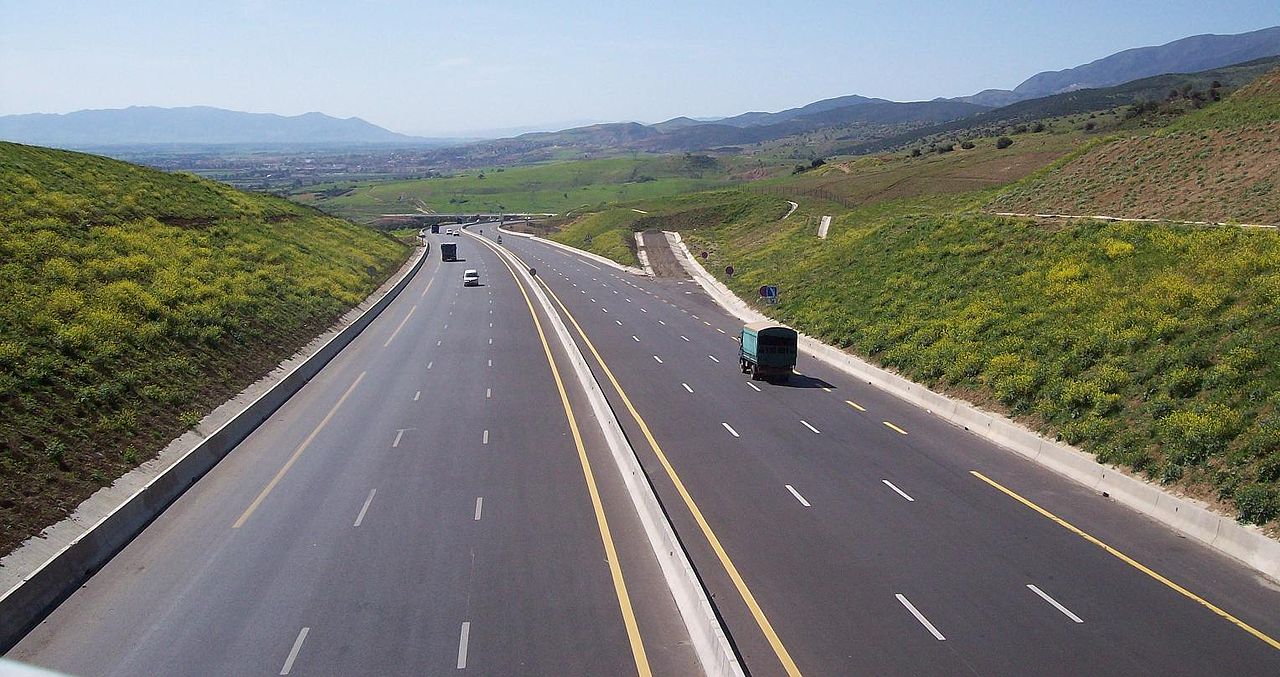
Autoroute est ouest ghomri2


Geographic Context and Environmental Factors
Relizane Province is strategically located in northern Algeria, a region characterized by its diverse topography and climatic influences. The province's landscape likely encompasses a mix of coastal plains, inland plateaus, and potentially mountainous areas, contributing to varied microclimates. The dominant Mediterranean climate, with its distinct wet and dry seasons, profoundly impacts agricultural potential and water resource management.
This climatic pattern dictates the types of crops that can be cultivated, influencing the province's economic activities and the settlement patterns of its population. Understanding these geographical and climatic factors is crucial for appreciating the challenges and opportunities present in Relizane, from land use planning to infrastructure development and the sustainability of its natural resources. The province's position within Algeria also suggests potential connections to broader regional environmental trends and conservation efforts.
Historical Trajectory and Societal Impact
The historical narrative of Relizane Province is shaped by its long-standing human habitation and the impact of significant events. While the provided source offers limited historical detail, it points to the existence of established communities and the occurrence of notable incidents. The mention of the Wilaya of Relizane massacres on January 4, 1998, serves as a stark reminder of the complex and often challenging socio-political history the region has endured.
Such events, while tragic, are integral to understanding the resilience and evolution of the province's society. Further historical research would likely reveal layers of influence from various civilizations and periods, contributing to the unique cultural identity of Relizane and its people. The province's development is intrinsically linked to Algeria's broader historical journey, reflecting national trends and local specificities.
Socio-Economic Dynamics and Human Capital
The socio-economic fabric of Relizane Province is woven from the activities and aspirations of its inhabitants. As a wilaya, it functions as a key administrative and economic unit within Algeria. The capital city, Relizane, acts as a hub for governance, commerce, and services, while other localities like Bendaoud, Mazouna, and Zemmoura represent the diverse community structures within the province.
Given the geographical context, agriculture is likely a cornerstone of the local economy, providing livelihoods and contributing to national food security. Beyond agriculture, the province may host other industries and service sectors that support its population. The demographic composition and the skills of its people, its human capital, are fundamental to its ongoing development and its ability to adapt to economic changes and global influences.
Governance and Administrative Structure
Relizane Province functions as a wilaya, a primary administrative division within the Algerian governmental framework. This structure implies a system of local governance responsible for implementing national policies, managing public services, and overseeing regional development. The capital, Relizane, serves as the seat of provincial administration, coordinating activities across its various municipalities and communes.
The existence of multiple named localities, such as Bouzegza and Hamri, highlights the decentralized nature of governance, with local authorities playing a role in community affairs. The effectiveness of this administrative system is crucial for ensuring equitable development, public safety, and the provision of essential services like education, healthcare, and infrastructure to all residents of the province.
The Role of Education and Future Prospects
While not explicitly detailed in the provided source, education is a fundamental pillar for the development of any region, including Relizane Province. Access to quality education equips the population with the knowledge and skills necessary to participate effectively in the economy and society. The presence of a capital city and other populated centers suggests that educational institutions, from primary schools to potentially higher learning facilities, are likely established within the province.
Investing in education is key to fostering innovation, improving living standards, and ensuring the long-term prosperity of Relizane. The future prospects of the province are intrinsically linked to its ability to nurture an educated and skilled workforce capable of addressing contemporary challenges and seizing emerging opportunities in a globalized world.
See also
Based on content from Wikipedia · Licensed under CC BY-SA 4.0