

Redneck
Images
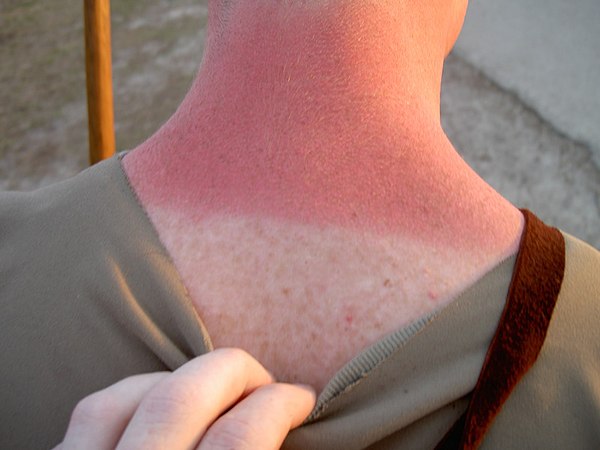
Redneck
The Agrarian Roots and the Sunburnt Neck
The term 'redneck' primarily emerged in the late 19th century, deeply intertwined with the agrarian identity of white working-class Americans, particularly in the Southern United States. The most widely accepted etymology links the name to the visible sunburn on the necks of farmers who spent arduous days toiling under the sun. This was not merely a physical characteristic but a marker of their labor and social standing.
Early usage often described yeoman farmers and rural laborers, distinguishing them from urban populations or the planter aristocracy. This initial phase of the term's life was largely descriptive, reflecting a specific socio-economic group and their environment. Authors like Joseph Flora and Lucinda MacKethan note its association with lower-class and working-class southerners, originating from the visible effects of their agricultural work along the coasts of Virginia and the Carolinas.
Echoes of Labor
A significant, albeit later, historical association with the term 'redneck' stems from the labor movements of the early 20th century. During the West Virginia Mine Wars in the 1920s, coal miners organizing for better wages and rights famously wore red bandanas tied around their necks. This became a powerful symbol of their collective identity and struggle against oppressive working conditions.
While historical records indicate the term 'redneck' predates this specific event by decades, the imagery of miners proudly displaying red bandanas has become a potent, albeit secondary, association. The West Virginia Mine Wars Museum even commemorates this aspect of labor history, highlighting how a color and an accessory could signify defiance and solidarity, adding a layer of class-conscious rebellion to the term's narrative, even if it wasn't the origin.
The Semantic Shift
Over time, the meaning of 'redneck' underwent a significant semantic shift, transforming from a relatively neutral descriptor into a pejorative and often offensive label. By the 1970s, the term had broadened considerably in its negative connotations. It began to encompass stereotypes of racism, loutishness, ignorance, and a staunch opposition to social progress and modern sensibilities.
This evolution is crucial to understanding its modern usage. Patrick Huber's work emphasizes how the term, in the 20th century, became a way to construct a specific white Southern masculine identity in media and popular culture, often depicted as poor, uneducated, dirty, and racist. This transformation reflects broader societal anxieties and class-based prejudices, where the term became a tool for social exclusion and marginalization.
Reclamation, Stereotypes, and Cultural Nuance
The contemporary understanding of 'redneck' is complex, marked by its dual nature as both an insult and, for some, a reclaimed identity. While it remains a derogatory term, often equated with 'cracker' or 'hillbilly' but without the explicit moral judgment of 'white trash,' some individuals and communities have adopted it ironically or as a badge of pride. This act of reclamation attempts to subvert the negative stereotypes associated with the term.
However, the potential for offense remains high, especially when used by those outside the group. The Cambridge Dictionary's definition, highlighting prejudice and lack of education, underscores the term's persistent negative baggage. Understanding 'redneck' requires acknowledging its historical roots in labor and agriculture, its transformation into a loaded stereotype, and the ongoing cultural negotiations surrounding its use and meaning in American society.
See also
Frequently Asked Questions
What does the word "redneck" originally mean?+
Why did some coal miners wear red bandanas?+
How did the meaning of "redneck" change over time?+
Can people use the word "redneck" in a friendly way?+
Where did the word "redneck" first appear?+
Based on content from Wikipedia · Licensed under CC BY-SA 4.0