

Ralph Waldo Emerson
Images
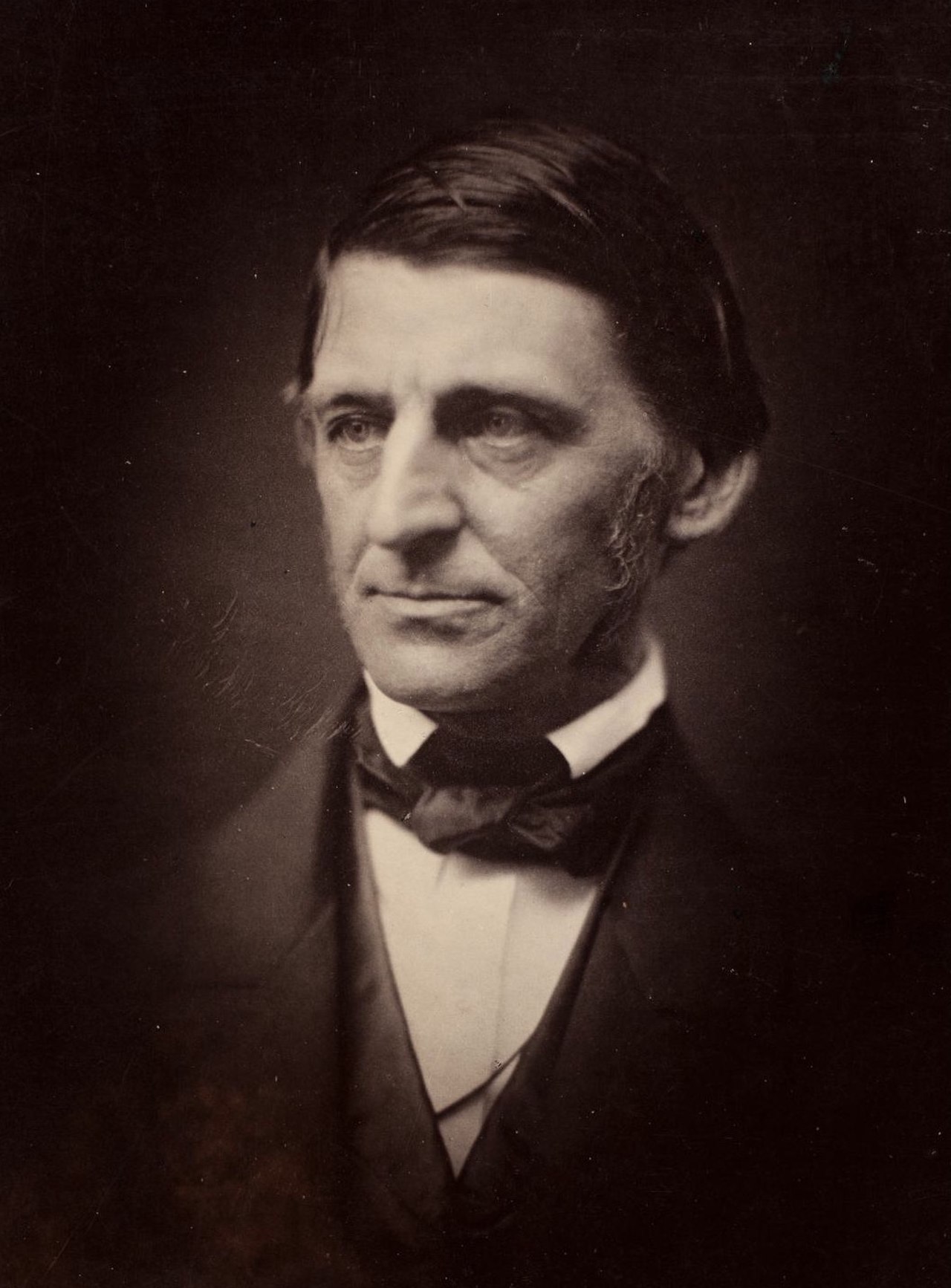
Ralph Waldo Emerson
From Minister to Maverick
Ralph Waldo Emerson (1803-1882) emerged from Boston, Massachusetts, not just as a writer and poet, but as the intellectual engine of Transcendentalism. Initially trained as a Unitarian minister, Emerson found himself increasingly at odds with the rigid doctrines and social conventions of his time. This spiritual and intellectual restlessness propelled him away from traditional religious structures and towards a more personal, intuitive understanding of divinity and existence.
His departure from the pulpit in 1836 marked the beginning of his career as a public philosopher and lecturer, where he would articulate a vision that challenged the prevailing norms of 19th-century American society. He wasn't merely questioning; he was actively constructing a new framework for understanding the self and its place in the cosmos.
Nature as Mirror
Emerson's seminal 1836 essay, 'Nature,' is widely considered the foundational text of Transcendentalism. In it, he posited that the universe is composed of 'Nature' and the 'Soul,' and that these are intrinsically linked. He argued that the natural world serves as a symbolic language, a mirror reflecting spiritual truths and the divine.
This pantheistic or pandeistic perspective rejected the notion of a God entirely separate from creation, instead viewing the divine as immanent within all things. Emerson encouraged individuals to engage directly with nature, not just for aesthetic pleasure, but as a means of spiritual insight and self-discovery. This emphasis on direct experience and intuition over dogma was a radical departure, empowering individuals to find truth within themselves and the world around them.
The American Scholar and the Infinitude of Man
In 1837, Emerson delivered his electrifying speech, 'The American Scholar,' at Harvard University. Hailed by Oliver Wendell Holmes Sr. as America's 'intellectual Declaration of Independence,' the address called for a new kind of American intellectual, one who would draw inspiration from nature, books, and action, rather than solely from European traditions. This speech, along with his essays like 'Self-Reliance,' 'Circles,' and 'Experience,' articulated his core philosophy: the boundless potential of the individual.
Emerson famously declared, 'In all my lectures, I have taught one doctrine, namely, the infinitude of the private man.' This profound belief in the inherent power, creativity, and capacity for self-governance within each person became the cornerstone of his enduring legacy, urging a constant process of self-creation and critical engagement with the world.
A Lasting Resonance
Ralph Waldo Emerson's influence extends far beyond his lifetime. He was a central figure in the American Romantic movement, and his ideas profoundly shaped subsequent generations of writers, philosophers, and social reformers. His mentorship and friendship with Henry David Thoreau, another key Transcendentalist, fostered a fertile intellectual environment.
Thoreau's 'Walden' is a direct outgrowth of Emersonian principles. Emerson's emphasis on individualism, critical thinking, and the spiritual significance of nature continues to resonate in contemporary discussions about personal development, environmentalism, and the pursuit of authentic living. His work remains a powerful testament to the enduring human quest for meaning and self-discovery.
Go deeper
Frequently Asked Questions
Who was Ralph Waldo Emerson?+
What is Transcendentalism?+
Why did Emerson leave the church?+
What is his famous essay "Nature" about?+
How did Emerson influence other writers?+
Based on content from Wikipedia · Licensed under CC BY-SA 4.0