

Rag-and-bone man
Images
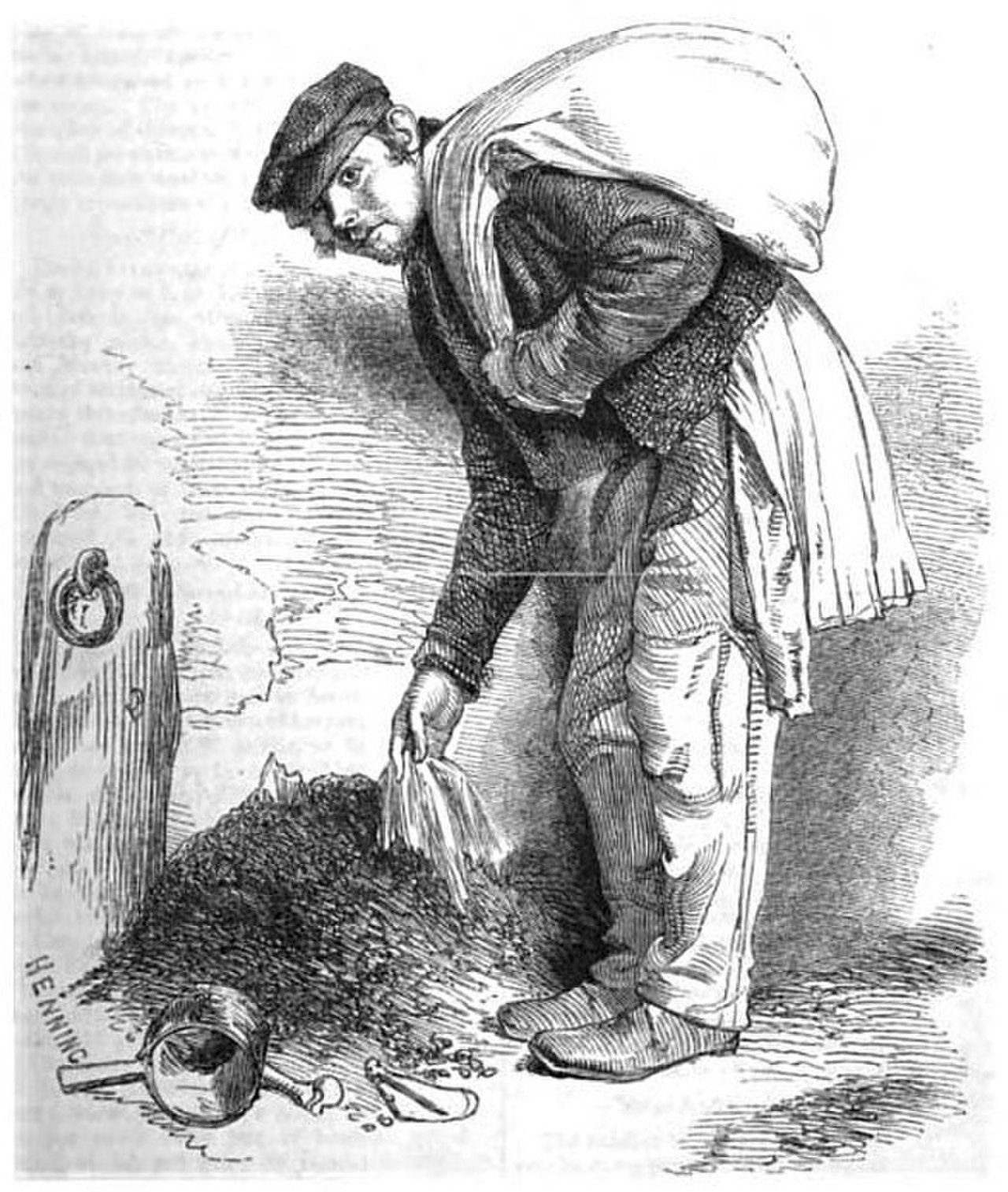
Rag-and-bone man
The Rag-and-Bone Man
The rag-and-bone man, a figure often romanticized or overlooked, was a critical element in the pre-industrial and early industrial urban landscape. Their primary function was the collection and redistribution of discarded materials, effectively acting as a decentralized, informal recycling system. This process was vital for urban sanitation, as it removed potentially hazardous waste from streets and households.
Beyond mere refuse collection, they were entrepreneurs of the discarded, identifying economic value in items society deemed worthless. The materials they gathered – rags, bones, scrap metal, broken glass – were not simply thrown away but were channeled back into production. Rags were pulped for paper and textiles, bones were processed for glue, fertilizer, or animal feed, and scrap metal was a crucial feedstock for burgeoning industries.
This practice significantly reduced the demand for virgin raw materials, contributing to resource conservation and a more sustainable, albeit rudimentary, form of material management.
Evolution of a Trade
The origins of the rag-and-bone man can be traced back centuries, with the trade becoming more formalized and visible during the 18th and 19th centuries. Initially, many operated on foot, their meager earnings reflecting the low perceived value of their wares and the arduous nature of their labor. The advent of carts, often horse-drawn, marked a significant advancement, enabling greater collection volumes and efficiency.
In the 19th century, this occupation was frequently a last resort for the impoverished, a precarious existence dependent on daily finds and market fluctuations. However, their role evolved from simple scavengers to indispensable suppliers for industries. The demand for raw materials like rags for papermaking, and scrap metal for manufacturing, gave their trade a more structured economic footing.
Post-World War II, modernization and the rise of formal waste management systems led to a decline in traditional rag-and-bone operations in many Western countries, though the core principles persisted.
Socio-Economic Significance and Environmental Impact
The socio-economic impact of rag-and-bone men was profound, particularly for the working classes. They provided a pathway to earning a livelihood for those with limited opportunities, forming a significant part of the informal economy. Their activities fostered a culture of reuse and resourcefulness, a necessity in times of scarcity.
Environmentally, their contribution was substantial. By diverting waste from landfills and waterways, they mitigated pollution and reduced the ecological footprint of urban centers. They were, in essence, early practitioners of the principles that underpin modern circular economy models.
Their work demonstrated that waste is not an endpoint but a potential resource, a concept that remains central to contemporary sustainability efforts. Their legacy highlights the long-standing human capacity for innovation in resource utilization.
The Mechanics of Salvage
The success of a rag-and-bone man depended on a complex interplay of knowledge, social networks, and market access. They possessed an intimate understanding of material value – knowing which types of rags yielded the best pulp, which metals were most sought after, and the going rates for various commodities. This knowledge was often passed down through generations or learned through experience.
They operated within informal networks, exchanging information about good scavenging spots and market prices. Their primary role was as intermediaries, collecting materials from households and then selling them to larger merchants or directly to factories. These merchants specialized in processing specific materials, such as rag merchants for papermills or metal dealers for foundries.
The efficiency of this system, though informal, was remarkable, ensuring a steady flow of secondary raw materials into the industrial supply chain.
Contemporary Echoes
The spirit and practice of the rag-and-bone man are far from extinct; they are vibrantly alive in the global informal recycling sector. In many parts of the developing world, individuals continue to collect, sort, and sell recyclables as a primary means of survival. The dramatic increase in the global price of scrap metals, such as copper, aluminum, and steel, has amplified the economic importance of these informal collectors.
They are crucial players in waste management, diverting vast quantities of materials from landfills and contributing significantly to the supply chains of recycling industries. Modern junk dealers, scrap yards, and even specialized recycling facilities can be seen as the institutionalized descendants of the traditional rag-and-bone man. Their continued existence underscores the persistent need for resource recovery and the enduring economic viability of repurposing discarded materials, a testament to the ingenuity of those who find value where others see none.
See also
Frequently Asked Questions
What was a rag-and-bone man?+
Why did people need rag-and-bone men?+
How did rag-and-bone men help the environment?+
Where did rag-and-bone men work?+
When did rag-and-bone men stop being common?+
Based on content from Wikipedia · Licensed under CC BY-SA 4.0