

Rachel Green: The Runaway Bride Who Became a Star!
Images

'Learn Green, Teach Green' Yard Sign (Takoma Park, MD)


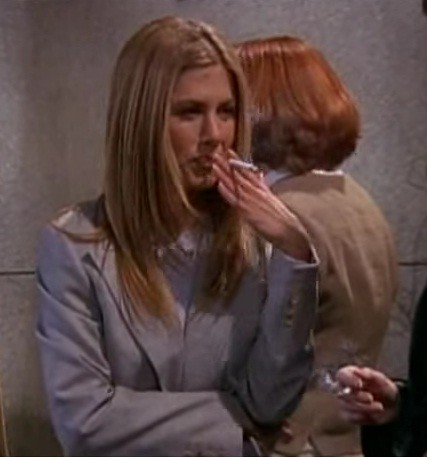


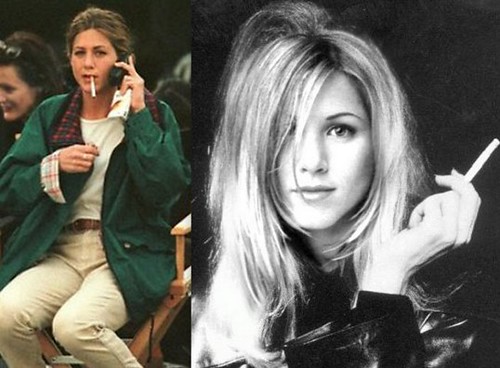
The Genesis of a Relatable Protagonist
Rachel Green, brought to life by Jennifer Aniston, was conceived by creators David Crane and Marta Kauffman as one of the six central figures in the groundbreaking sitcom 'Friends.' Her introduction in the pilot episode, as a runaway bride shedding her privileged, unfulfilling life, immediately established her as a character with significant potential for growth. This initial portrayal as a naive, dependent individual, albeit one with a strong underlying spirit, resonated deeply with a generation grappling with post-college uncertainty and the transition into adulthood.
Her relocation to New York City and her reliance on childhood friend Monica Geller provided the narrative foundation for her evolution, setting the stage for a decade of relatable struggles and triumphs that would define her character arc and contribute significantly to the show's massive success.
The 'Rachel' Haircut
The character's influence extended far beyond her narrative. The 'Rachel' haircut, a layered shag style popularized by Jennifer Aniston in the show's second season, transcended the screen to become a global cultural phenomenon. This hairstyle was not merely a trend; it was a symbol of the era's evolving beauty standards and the increasing influence of television on popular culture.
Millions of women worldwide emulated the look, making it one of the most recognizable and imitated hairstyles in history. The sheer scale of its adoption underscores Rachel's status as a style icon and highlights how fictional characters could profoundly shape real-world fashion and personal identity, even if the actress herself found it somewhat inconvenient.
From Dependent Heiress to Empowered Professional
Rachel's character development is a cornerstone of 'Friends' enduring appeal, charting a compelling trajectory from a spoiled, inexperienced 'daddy's girl' to a formidable businesswoman. Her initial struggles with basic life skills, such as working as a waitress at Central Perk, served as a stark contrast to her eventual success in the fashion industry. Her ascent through the ranks at Bloomingdale's and later at Ralph Lauren was not merely a plot device but a powerful narrative of female empowerment and professional ambition.
This transformation offered a aspirational model for viewers, demonstrating that personal growth, resilience, and dedication could lead to significant career achievements, thereby challenging traditional gender roles and celebrating female independence in the workplace.
The Enduring Legacy of a Television Icon
Rachel Green's impact on television and popular culture is undeniable. Her role is widely regarded as Jennifer Aniston's breakout performance, catapulting her to superstardom and paving the way for a successful film career. Aniston's portrayal earned her critical acclaim, including an Emmy Award and a Golden Globe Award, solidifying Rachel's status as one of television's greatest characters.
Furthermore, her complex, on-again, off-again relationship with Ross Geller became a defining element of the series, captivating audiences with its emotional depth and relatable challenges. This enduring romantic storyline, alongside her personal and professional growth, cemented Rachel's legacy as a beloved and influential figure in television history.
Beyond the Screen
Rachel Green's influence permeated multiple facets of 1990s culture. Her fashion choices, from her early casual wear to her sophisticated professional attire, significantly impacted womenswear trends, solidifying her reputation as a style icon. The character's evolution also provided a nuanced exploration of modern relationships, particularly her dynamic with Ross, which became a benchmark for romantic comedies, showcasing the complexities of love, commitment, and personal growth within a long-term partnership.
The character's journey from dependency to self-sufficiency offered a powerful commentary on female identity and empowerment, resonating with a generation navigating societal expectations and personal aspirations. Her enduring popularity speaks to her multifaceted nature, making her more than just a fictional character but a cultural touchstone.
Go deeper
Based on content from Wikipedia · Licensed under CC BY-SA 4.0