

Qinghai Lake: China's Giant Sparkling Gem!
Images
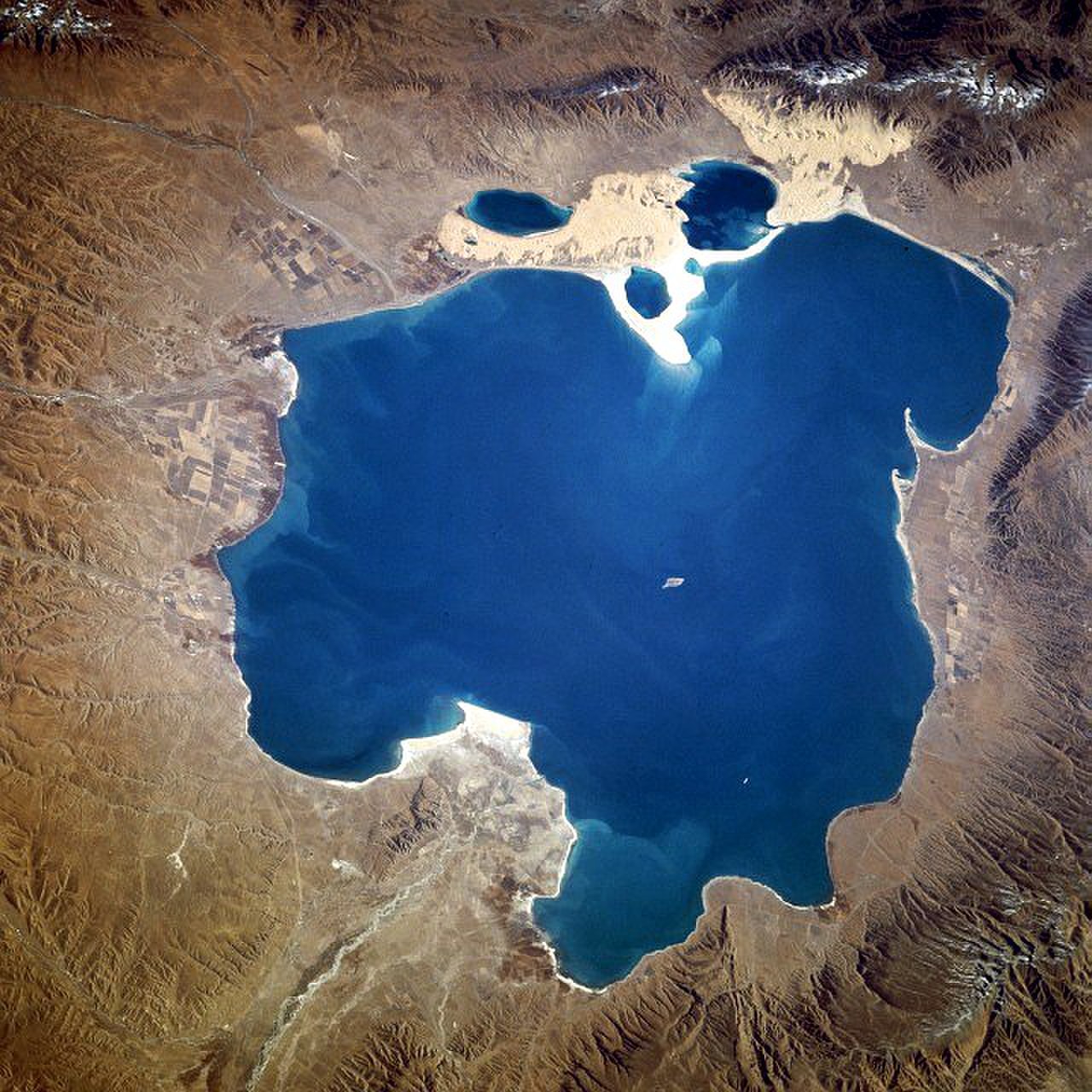
Qinghai Lake
Geomorphological Significance and Hydrology
Qinghai Lake, situated in Qinghai Province, is the largest saltwater lake in China and a prominent feature of the Qinghai-Tibet Plateau. Its existence is a testament to the unique hydrological conditions of endorheic basins at extreme altitudes. The lake's surface area fluctuates significantly, typically ranging from 4,300 to 4,600 square kilometers, influenced by precipitation, evaporation rates, and glacial meltwater contributions from surrounding mountains.
The average elevation of the lake's surface is approximately 3,200 meters (10,500 feet) above sea level, placing it in a region characterized by a harsh alpine continental climate with long, cold winters and short, cool summers. The salinity of the lake, averaging around 10-12%, is a direct consequence of the arid climate and the absence of outflow, leading to the concentration of dissolved salts and minerals over millennia. This saline environment supports a specialized food web, distinct from freshwater ecosystems.
A Critical Avian Sanctuary and Biodiversity Hub
Qinghai Lake is internationally recognized as a vital stopover and breeding ground for migratory birds, playing a crucial role in the East Asian-Australasian Flyway and the Central Asian Flyway. Millions of birds, including iconic species like the Black-necked Crane, Ruddy Shelduck, and Greater Flamingo, depend on the lake and its surrounding wetlands for sustenance and reproduction. Bird Island, a key component of the lake's ecosystem, hosts an astonishing concentration of nesting birds during the breeding season.
The ecological health of the lake directly impacts the survival of these avian populations, making it a barometer for regional environmental conditions. Conservation efforts are paramount to maintaining the integrity of this biodiversity hotspot, which faces threats from climate change, habitat degradation, and human activities.
Socio-Economic and Cultural Interplay
The region surrounding Qinghai Lake is home to diverse ethnic groups, most notably Tibetans, who have historically practiced nomadic pastoralism, relying on the grasslands for their livestock, primarily yaks and sheep. The lake and its environs are deeply intertwined with the cultural and spiritual landscape of these communities. While the lake's salinity limits direct agricultural use, its presence shapes the local economy through tourism, which has grown significantly in recent decades.
Visitors are drawn to the lake's dramatic scenery, unique wildlife, and the opportunity to experience the high-altitude environment. Balancing the economic benefits of tourism with the imperative of ecological preservation is a key challenge for sustainable development in the region. The lake also holds significance in local folklore and traditions, underscoring its multifaceted importance.
Environmental Challenges and Conservation Imperatives
Qinghai Lake faces a complex array of environmental challenges. Climate change is altering precipitation patterns and increasing evaporation rates, potentially impacting water levels and salinity. Overgrazing in surrounding grasslands can lead to soil erosion and sedimentation, affecting water quality. Human activities, including resource extraction and infrastructure development, also pose potential risks.
In response, significant conservation efforts have been implemented, including the establishment of the Qinghai Lake National Nature Reserve. These initiatives focus on protecting bird habitats, monitoring water quality, managing grazing practices, and promoting sustainable tourism. The long-term ecological viability of Qinghai Lake hinges on continued scientific research, effective policy implementation, and the collaborative engagement of local communities and stakeholders in its stewardship.
Go deeper
Frequently Asked Questions
What is Qinghai Lake?+
Why is Qinghai Lake so salty?+
Where do many birds live at Qinghai Lake?+
How high is Qinghai Lake above sea level?+
Why do people visit Qinghai Lake?+
Based on content from Wikipedia · Licensed under CC BY-SA 4.0