

Provence
Images
Provence
Geographical Tapestry of Southeastern France
Provence is a geographically diverse region situated in the southeastern corner of France. Its boundaries are defined by the lower Rhône River to the west, the Italian border to the east, and the Mediterranean Sea to the south. Administratively, it largely aligns with the modern region of Provence-Alpes-Côte d'Azur, encompassing departments like Var, Bouches-du-Rhône, Alpes-de-Haute-Provence, and parts of Alpes-Maritimes and Vaucluse.
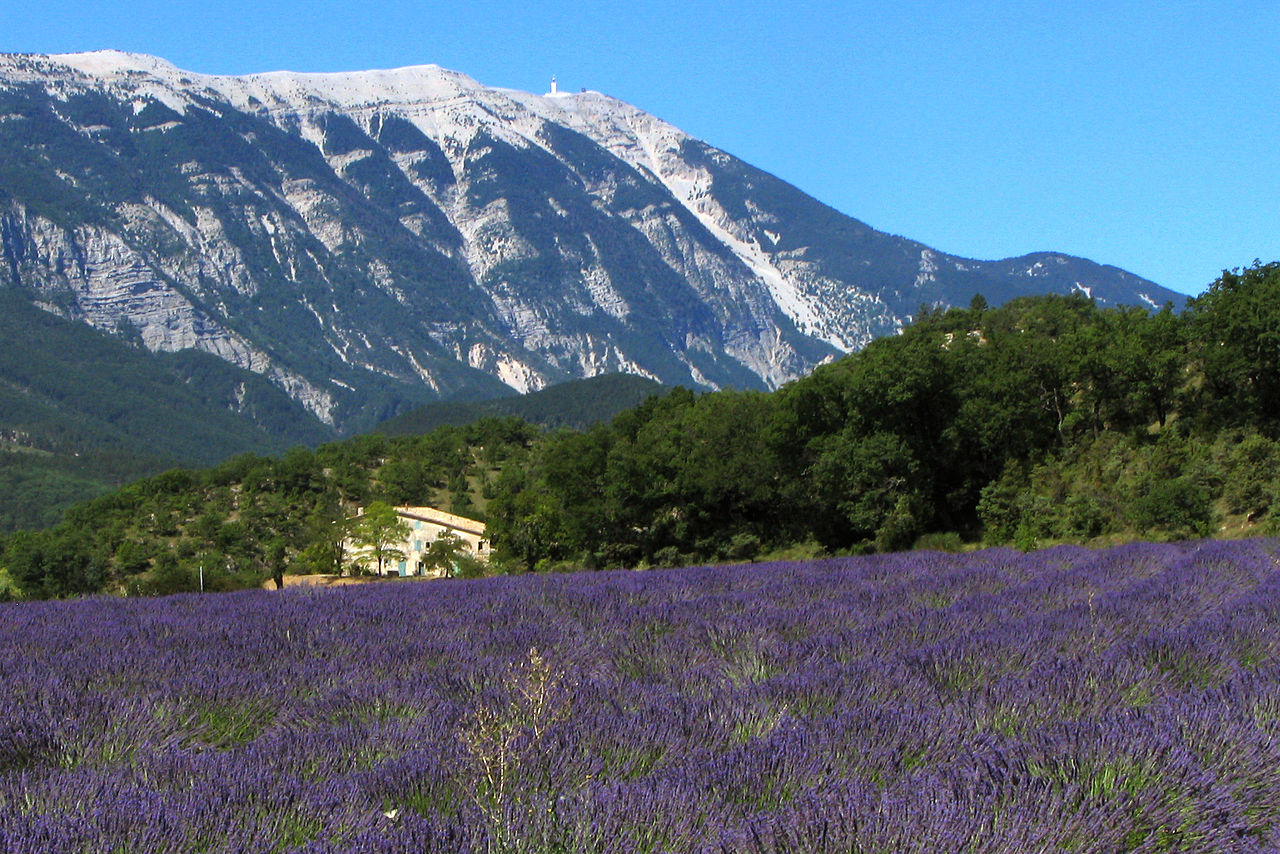
The landscape is a striking mosaic, ranging from the coastal plains and rolling hills dotted with vineyards and olive groves to the dramatic peaks of the Maritime Alps. The Mediterranean climate, characterized by hot, dry summers and mild, wet winters, profoundly shapes its ecosystems and agricultural potential. This climate fosters the growth of iconic Mediterranean flora, including the fragrant lavender that blankets the interior plateaus during summer, and supports a vibrant tourism industry drawn to its natural beauty and sunny disposition.
From Roman Provincia to French Royal Province
The historical narrative of Provence is deeply intertwined with its strategic location and early integration into major European powers. The Romans established it as their first province beyond the Alps, naming it 'Provincia Romana,' from which its modern name derives. This Roman heritage left an indelible mark, evident in archaeological sites and infrastructure.
Until 1481, it was governed by the Counts of Provence from their capital at Aquae Sextiae (modern Aix-en-Provence), fostering a distinct regional identity. Following the extinction of the line of counts, Provence was incorporated into the Kingdom of France, a process that gradually solidified French royal authority while allowing certain regional traditions to persist. A significant interlude occurred during the Avignon Papacy (1309-1376), when the Popes resided in Avignon, making Provence a pivotal center of Western Christendom for nearly seven decades, further enriching its historical and cultural tapestry.
Cultural Resilience and Artistic Legacy
Despite centuries of French rule, Provence has maintained a strong sense of cultural and linguistic distinctiveness, particularly in its interior regions. The Provençal language, a dialect of Occitan, continues to be spoken and celebrated, reflecting a rich linguistic heritage. This cultural identity is expressed through local festivals, traditional crafts, and a gastronomy deeply influenced by Mediterranean ingredients like olive oil, garlic, herbs, and seafood.
The region's unique light and vibrant colors have historically attracted numerous artists, including Paul Cézanne, Vincent van Gogh, and Henri Matisse, who found profound inspiration in its landscapes and atmosphere, contributing to the global perception of Provence as an artistic haven. The capital, Marseille, stands as a testament to this cultural fusion, a dynamic port city with a diverse population and a history shaped by centuries of trade and migration.
Economic Pillars
Provence's economy is multifaceted, built upon a foundation of rich agricultural output, robust tourism, and significant trade activities. Its fertile lands, blessed by the Mediterranean climate, are ideal for cultivating olives, grapes (producing renowned wines like Côtes du Rhône and Bandol), fruits, and aromatic herbs such as lavender and thyme, which form the basis of its famous cuisine and essential oil industry. Tourism is a major economic driver, capitalizing on the region's stunning natural beauty, historical sites, charming villages, and desirable climate, attracting millions of visitors annually.
The port of Marseille, one of France's largest, serves as a critical hub for international trade and industry, connecting Provence to global markets. Beyond these primary sectors, artisanal production, including ceramics and textiles, also contributes to the regional economy, reflecting a blend of traditional practices and modern enterprise.
Governance and Education in Modern Provence
The governance of Provence today is primarily structured through the French administrative system. The region largely corresponds to the administrative region of Provence-Alpes-Côte d'Azur, which is headed by a directly elected Regional Council. This council oversees economic development, transportation, education, and environmental policies within its jurisdiction.
The historical province's territory is further divided into several departments (Bouches-du-Rhône, Var, Alpes-de-Haute-Provence, etc.), each with its own elected General Council responsible for local administration. Education in Provence follows the national French model, emphasizing a standardized curriculum from primary to higher education. The region hosts several universities, including Aix-Marseille University, one of the largest in France, offering a wide range of academic programs and contributing to research and innovation.
Vocational training and specialized institutions also cater to the diverse economic needs of the region, ensuring a skilled workforce for its key industries.
Go deeper
Frequently Asked Questions
What is Provence?+
Where is Provence located?+
Why do people visit Provence?+
How did Provence become part of France?+
Which famous artists liked Provence?+
Based on content from Wikipedia · Licensed under CC BY-SA 4.0