

Propulsion: How Things Move!
Images
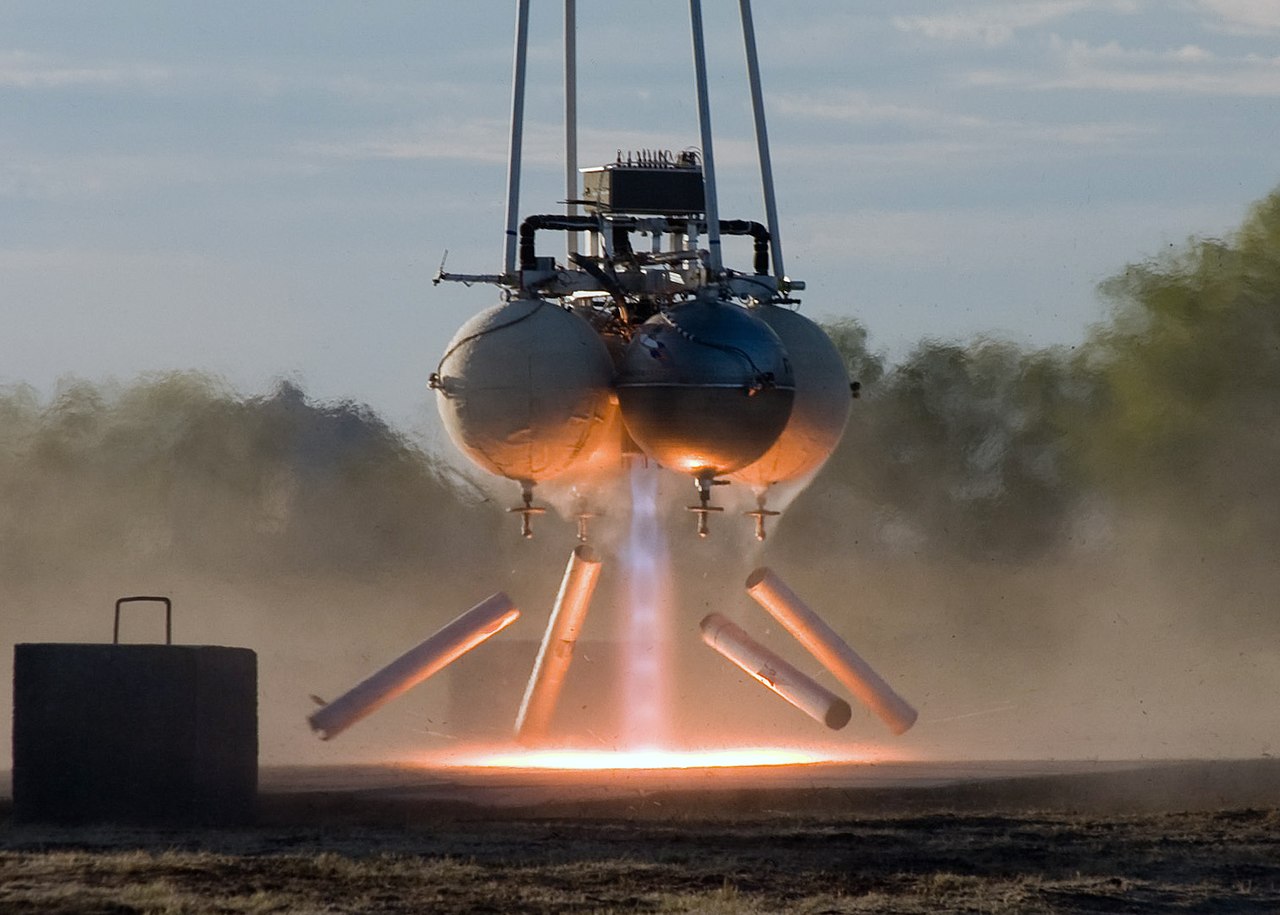
Propulsion
Defining the Force
Propulsion, at its core, is the generation of force to alter an object's translational motion. This fundamental concept, rooted in Newtonian mechanics, describes how pushing or pulling modifies an object's velocity. A propulsion system is a complex interplay between a power source and a propulsor.
The power source, often a powerplant like an engine or motor, generates mechanical energy. This energy is then converted by the propulsor-be it a wheel, propeller, or nozzle-into the propulsive force that acts upon the object. While everyday language focuses on spatial displacement, the technical definition extends to any modification of motion, including rotational or vibratory movements.
Even the seemingly passive motion of an object in a gravitational field, like a falling apple, is viewed differently by physicists; while gravity influences its path, it's considered natural movement, not propulsive force, in the context of spacetime curvature.
A Journey Through Time
The history of propulsion is a testament to human ingenuity. Early biological propulsion, relying on muscular power and anatomical adaptations like wings and fins, dominated for millennia. The advent of the Industrial Revolution marked a paradigm shift with the development of mechanical propulsion.
Early steam engines powered locomotives and ships, dramatically increasing speed and capacity. The internal combustion engine revolutionized personal and commercial transport, leading to automobiles and aircraft. Further advancements brought us jet engines, capable of immense thrust for high-speed flight, and rocket engines, essential for space exploration.
Each era introduced new power sources and propulsors, constantly pushing the boundaries of what was possible in terms of speed, range, and efficiency. This evolution continues today with research into electric propulsion, hybrid systems, and even more exotic concepts.
The Mechanics of Motion
Technological propulsion systems are engineered marvels. They typically consist of a powerplant that converts stored energy into mechanical work. This could be a chemical reaction (burning fuel), an electrical circuit, or even nuclear fission.
The output of the powerplant is then transferred, often through intermediate components like clutches and gearboxes, to the propulsor. The propulsor is the critical interface that interacts with the surrounding medium (air, water, or vacuum) to generate thrust. Examples include propellers that 'screw' through water or air, wheels that grip a surface, and nozzles that expel high-velocity fluids.
Biological systems mirror this, with muscles as the powerplant and limbs like legs, fins, or wings as propulsors, demonstrating elegant, evolved solutions to the challenge of movement.
The Indispensable Role of Propulsion in Society
Propulsion is not merely a scientific curiosity; it is the bedrock of modern civilization. Our globalized economy relies entirely on efficient propulsion systems for the transportation of goods and people. From the agricultural machinery that produces our food to the vast shipping networks that deliver products worldwide, propulsion enables commerce and sustains populations.
Personal mobility, facilitated by cars, trains, and airplanes, has reshaped urban planning, social interaction, and leisure. Furthermore, propulsion is the key to scientific discovery, enabling space exploration, deep-sea research, and the deployment of satellites that underpin communication and navigation systems. The continuous improvement of propulsion technology directly impacts energy efficiency, environmental sustainability, and our ability to address global challenges.
Beyond Simple Displacement
While common parlance associates propulsion primarily with linear displacement, a deeper dive into physics reveals its broader scope. Newtonian mechanics defines propulsion as any force that modifies an object's motion. This includes rotational motion, where forces can induce or alter spin.
For instance, the internal stresses within a rotating object, like a baseball, technically meet the definition of propulsion as they influence the motion of its surface. In an automobile, the engine's translational motion of pistons drives the rotational motion of the crankshaft, which in turn drives the wheels, ultimately resulting in the car's translational motion. This distinction highlights the difference between technical definitions in physics and everyday usage, where 'propulsion' is strongly linked to macroscopic movement through space rather than internal or rotational dynamics.
Go deeper
Frequently Asked Questions
What is propulsion?+
How does a rocket move into space?+
What is a propulsor and why is it important?+
How did cars get faster over time?+
Why do we need propulsion for everyday life?+
Based on content from Wikipedia · Licensed under CC BY-SA 4.0