

Prince-bishop: The Boss Who Was Also a Bishop!
Images
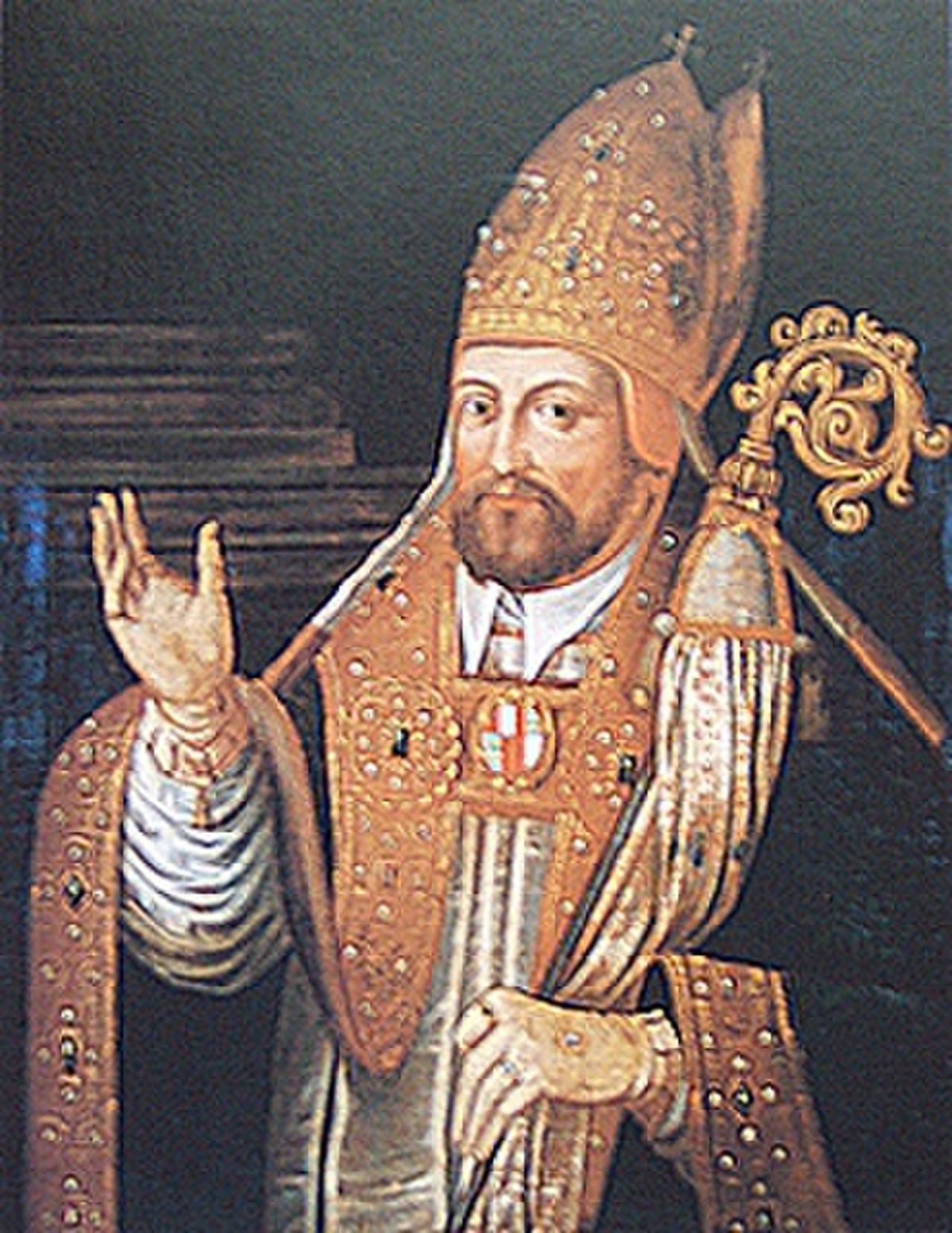
Prince-bishop
The Genesis and Evolution of the Prince-Bishop
The figure of the prince-bishop represents a fascinating convergence of religious and political power that was particularly characteristic of medieval and early modern Europe. Its origins can be traced to the early Christian Church, where bishops, as successors to the apostles, held significant moral and spiritual authority. As the Roman Empire declined, bishops in key urban centers often stepped into the vacuum of secular administration, becoming de facto rulers of their cities and surrounding territories.
This process was formalized and expanded through imperial grants and papal investitures, particularly within the Holy Roman Empire. Emperors and kings recognized the value of these educated, often celibate, and relatively stable figures as vassals who could govern strategically important territories without the hereditary complications of secular dynasties. Over centuries, this evolved from bishops merely influencing secular affairs to actively ruling them, becoming 'prince-bishops' with their own courts, armies, and administrative structures.
The specific powers and autonomy of prince-bishops varied greatly depending on the era and the overarching political landscape, but their dual role was a constant source of their influence and complexity.
The Dual Mandate
The prince-bishop's power stemmed from his unique ability to command allegiance on two distinct but often intertwined planes: the spiritual and the temporal. As a bishop, he was responsible for the spiritual welfare of his diocese, overseeing sacraments, doctrine, and the administration of church property. This role granted him immense moral authority and influence over the religious lives of his subjects.
Simultaneously, as a prince, he exercised secular sovereignty over his territory, which could range from a small city-state to a substantial principality. This involved the administration of justice, the collection of taxes, the maintenance of infrastructure, and the command of military forces. This syncretic power allowed prince-bishops to enforce religious decrees through secular law and to leverage their religious prestige to bolster their political authority.
The effectiveness of a prince-bishop often depended on their skill in balancing these two demanding roles, navigating the complex relationships with the papacy, the emperor, local nobility, and their own clergy and populace.
Significance in the European Political Tapestry
Prince-bishops were not mere historical curiosities; they were pivotal actors in the shaping of European political and religious history. Within the Holy Roman Empire, they constituted a crucial element of the imperial constitution, forming a significant bloc of electors and imperial councilors. Their territories often served as buffer states or strategic strongholds, influencing the balance of power between larger kingdoms and empires.
The existence of these ecclesiastical principalities also contributed to the complex fragmentation of political authority in regions like Germany, where secular and ecclesiastical rule were often intermingled. Furthermore, prince-bishoprics were frequently centers of cultural and intellectual life. Bishops, by virtue of their education and their role as patrons, fostered the development of universities, libraries, and the arts.
The administrative structures they developed, often drawing on both Roman law and canon law, provided models for governance. Their eventual decline, particularly during the Reformation and the subsequent secularization of church lands, marked a significant shift in the relationship between church and state in Europe.
Mechanisms of Governance and Administration
The administrative machinery of a prince-bishopric was a sophisticated blend of ecclesiastical and secular practices. While the prince-bishop was the ultimate authority, he relied on a hierarchy of officials to manage the complex affairs of his domain. Within the ecclesiastical sphere, cathedral chapters (collegial bodies of clergy) often played a significant role, sometimes even electing the bishop and acting as advisors.
Secular administration involved the appointment of stewards, bailiffs, and judges to oversee regional governance, tax collection, and the dispensation of justice. The legal framework was often a hybrid, incorporating elements of canon law, Roman law, and local customary law. Military affairs were managed through feudal levies and, in some cases, standing forces.
The prince-bishop's court was a center of both religious ceremony and political decision-making. The management of finances was crucial, as prince-bishoprics needed to support both the lavish lifestyle expected of a prince and the considerable expenses of maintaining a cathedral and supporting clergy. This intricate system allowed prince-bishops to maintain their power and influence for centuries.
Legacy and Modern Relevance
Though the era of the prince-bishop has largely passed, their legacy continues to resonate in various ways. The historical territories they governed often retained distinct cultural and administrative identities. In some cases, the administrative structures they established influenced the development of modern state bureaucracies.
The concept of a leader holding both spiritual and temporal authority, while rare today, echoes in discussions about the role of religion in public life and the separation of church and state. Furthermore, the rich historical records and architectural heritage left behind by prince-bishops-their magnificent cathedrals, palaces, and fortifications-continue to be significant cultural and tourist attractions. Studying prince-bishops offers valuable insights into the complex interplay of power, religion, and governance in pre-modern Europe, highlighting how institutions and individuals navigated the challenges of wielding multifaceted authority in a dynamic historical context.
Their story underscores the fluid boundaries between religious and political spheres that characterized much of European history.
See also
Frequently Asked Questions
What is a prince-bishop?+
Why did bishops become rulers in old Europe?+
How did a prince-bishop have both church and country powers?+
Where did prince-bishops live and rule?+
What did prince-bishops do for learning and art?+
Based on content from Wikipedia · Licensed under CC BY-SA 4.0