

Prime Minister of Pakistan
Images
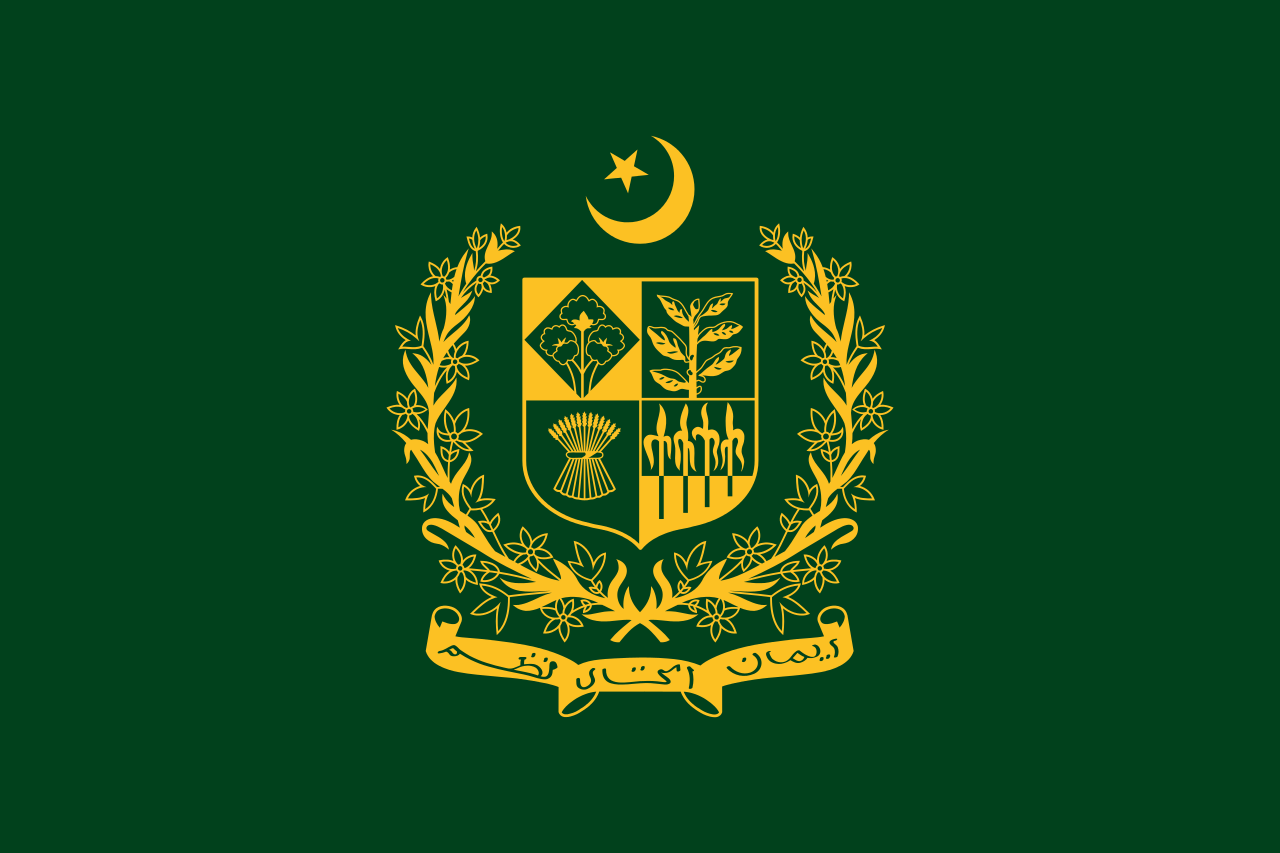
Flag of the Prime Minister of Pakistan


The Apex of Executive Power
The Prime Minister of Pakistan stands as the chief executive, wielding significant executive authority that shapes the nation's trajectory. While the President serves as the nominal head of state, the Prime Minister is the linchpin of the federal government's executive branch. Their legitimacy and power stem from commanding the confidence of the National Assembly, the lower house of Pakistan's parliament.
This democratic mandate ensures that the government is accountable to the elected representatives of the people. The Prime Minister leads the cabinet, a crucial body of ministers responsible for various government portfolios, and is instrumental in formulating and implementing national policies. This position requires a delicate balance of political maneuvering, policy expertise, and the ability to unite diverse factions within the parliament and the country.
The Prime Minister's leadership is central to Pakistan's governance structure, influencing everything from economic development to social welfare programs.
A Multifaceted Portfolio
The Prime Minister's responsibilities are exceptionally broad, encompassing critical areas of national governance. They are tasked with overseeing the state economy, a complex undertaking that involves managing fiscal policy, promoting trade, and ensuring economic growth. As the leader of the House in the National Assembly, they play a pivotal role in legislative agenda setting and parliamentary debate.
Beyond domestic affairs, the Prime Minister heads the Council of Common Interests, a constitutional body that resolves disputes between the federation and the provinces, fostering national cohesion. Perhaps most critically, they are the head of the National Command Authority, responsible for Pakistan's nuclear weapons arsenal. This immense power underscores the Prime Minister's role not only as a domestic leader but also as a key figure in regional and global security.
Their decisions on foreign policy, defense, and international relations have far-reaching consequences.
The Evolving Landscape
The office of the Prime Minister in Pakistan has a dynamic history, marked by periods of democratic governance interspersed with military rule. The constitutional framework has evolved over time, with significant shifts in the balance of power between the executive and military. Notably, the position was absent during several prolonged periods of martial law (1958–1973, 1977–1985, and 1999–2002).
During these times, military juntas, led by the President, assumed the functions of the Prime Minister. These interruptions highlight the fragility of democratic institutions in Pakistan's past. However, in periods of civilian rule, the Prime Minister's powers have been substantial, though subject to checks and balances from other branches of government.
The ongoing interplay between civilian leadership and military influence continues to shape the nature and scope of the Prime Minister's authority.
The Mechanics of Power
The Prime Minister is constitutionally elected by the members of the National Assembly. This electoral process typically means the Prime Minister is the leader of the political party or coalition that commands a majority in the assembly. Once elected, the Prime Minister is responsible for appointing the Cabinet, selecting individuals to lead various ministries.
They are the driving force behind executive decisions, authorizing appointments, and making recommendations that require their confirmation. The Prime Minister also serves as the chief advisor to the President on critical national matters and plays an influential role in the appointment of military leadership, ensuring civilian oversight. This intricate system of checks and balances, while sometimes contentious, is designed to prevent the concentration of unchecked power and promote a more stable form of governance.
See also
Frequently Asked Questions
What does the Prime Minister of Pakistan do?+
How is the Prime Minister chosen?+
Why is the Prime Minister important for Pakistan’s safety?+
When has the Prime Minister’s office been empty?+
What happens when there is no Prime Minister?+
Based on content from Wikipedia · Licensed under CC BY-SA 4.0