

Prime Minister of Egypt
Images
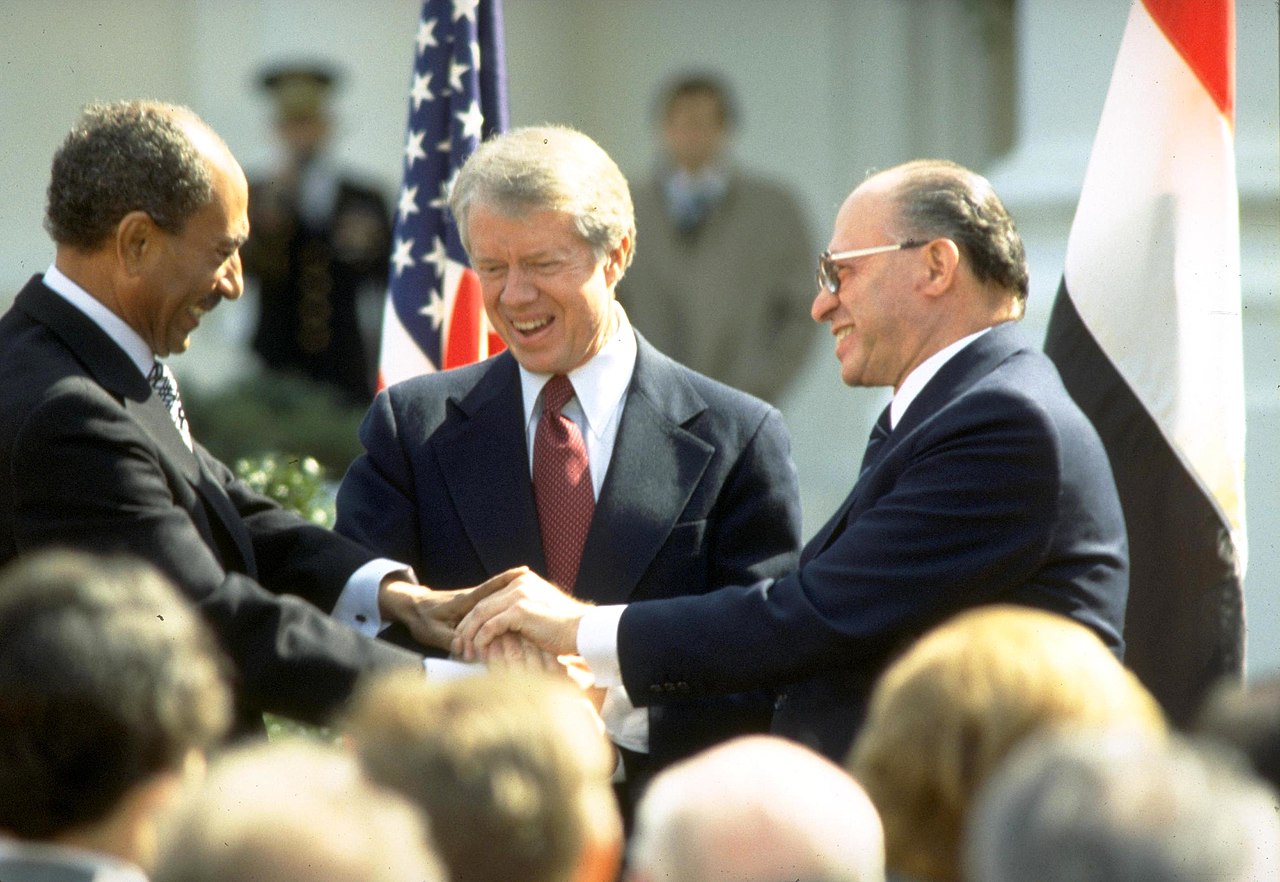
<div class='fn'> The Triple Handshake</div>


Constitutional Mandate and Executive Leadership
The Prime Minister of Egypt serves as the head of the government, a pivotal role defined within the country's constitutional framework. Appointed by the President, the Prime Minister is tasked with forming and leading the cabinet, which comprises ministers responsible for various portfolios. This leadership extends to chairing the Council of Ministers, the primary body for executive decision-making.
The Prime Minister's mandate involves the practical implementation of national policies and laws, acting as the chief administrator of the state's day-to-day operations. They are accountable for the overall performance of the government and must ensure that ministries function cohesively and efficiently. The Arabic designation, 'raʾīs majlis al-wuzarāʾ' (President of the Council of Ministers), accurately reflects their position as the chief executive officer of the government, distinct from but subordinate to the President, who is the head of state.
This dual leadership structure is common in presidential or semi-presidential systems, aiming to balance executive power and ensure effective governance.
Policy Formulation, Implementation, and Inter-Ministerial Coordination
The Prime Minister plays a crucial role in both the formulation and, more significantly, the implementation of government policies. While the President often sets the broad national agenda, the Prime Minister and their cabinet are responsible for translating these directives into actionable plans and programs. This involves intricate coordination among various ministries to avoid duplication of efforts and ensure strategic alignment.
For instance, a major infrastructure project might require collaboration between the Ministry of Transport, the Ministry of Finance, and the Ministry of Planning. The Prime Minister acts as the central coordinator, resolving inter-ministerial disputes and ensuring that resources are allocated effectively. Their ability to manage these complex relationships is vital for the successful execution of national development goals and the response to emerging challenges, whether economic, social, or security-related.
Historical Evolution and Contemporary Significance
The office of Prime Minister in Egypt has a history intertwined with the nation's political transformations. Following periods of monarchy, revolution, and various republican phases, the structure and powers of the Prime Minister have been redefined. In contemporary Egypt, the Prime Minister's role is particularly significant in navigating the complexities of governance in a populous and strategically important nation.
They are often the public face of the government's efforts to address pressing issues such as economic reform, job creation, and social welfare. The Prime Minister's performance is closely scrutinized by both the public and the President, making the position one of immense pressure and responsibility. Their effectiveness directly impacts the stability and progress of the nation, making the selection and support of a competent Prime Minister a critical aspect of presidential leadership.
Relationship with the President and Parliament
The dynamic between the Prime Minister and the President is central to Egypt's governance system. The Prime Minister is appointed by and accountable to the President, who holds the ultimate executive authority as head of state. This relationship is typically characterized by close consultation, with the Prime Minister acting as the President's chief advisor on government operations.
Furthermore, the Prime Minister and their cabinet are also accountable to the Parliament. Parliament has the power to question ministers, scrutinize government actions, and, in some systems, even pass a vote of no confidence. This parliamentary oversight ensures a degree of checks and balances, preventing the executive branch from operating unchecked.
The Prime Minister must therefore skillfully manage relationships with both the President and the legislative body to effectively govern.
Challenges and Future Outlook
The Prime Minister of Egypt faces a multitude of challenges, including managing a large and diverse economy, addressing social inequalities, and maintaining national security in a volatile region. Economic reforms, often requiring difficult austerity measures, can lead to public discontent, demanding careful political management. The Prime Minister must balance the need for fiscal responsibility with the imperative to improve living standards for citizens.
Looking ahead, the role will continue to be critical in steering Egypt through its development path. The ability of the Prime Minister to foster innovation, attract investment, and ensure equitable distribution of resources will be key determinants of Egypt's future prosperity and stability. The ongoing evolution of the political landscape may also present new challenges and opportunities for the office.
See also
Frequently Asked Questions
What does the Prime Minister of Egypt do?+
How is the Prime Minister chosen?+
What is the difference between the President and the Prime Minister?+
Why does the Prime Minister need to work with many ministries?+
What happens if the Prime Minister does not do a good job?+
Based on content from Wikipedia · Licensed under CC BY-SA 4.0