

Polyester
Images
Polyester


The Genesis and Evolution of Polyester Chemistry
Polyester, a broad class of polymers containing ester functional groups in their main chain, emerged from early 20th-century chemical research. The foundational work by Wallace Carothers at DuPont in the 1930s, exploring condensation polymers, laid the groundwork for what would become a textile revolution. The first commercially successful polyester fiber, known as Terylene in the UK and Dacron in the US, was developed in the 1940s and became widely available in the 1950s.
Initially, its high strength, wrinkle resistance, and durability made it ideal for applications demanding robustness, such as military fabrics and industrial materials. However, early polyesters were often stiff and uncomfortable. Continuous chemical innovation led to the development of various polyester types, including polyethylene terephthalate (PET) and polybutylene terephthalate (PBT), each with tailored properties.
This evolution allowed polyester to move beyond purely functional roles into mainstream fashion and home furnishings, offering a cost-effective and versatile alternative to natural fibers, fundamentally altering consumer expectations regarding fabric care and performance.
Molecular Architecture
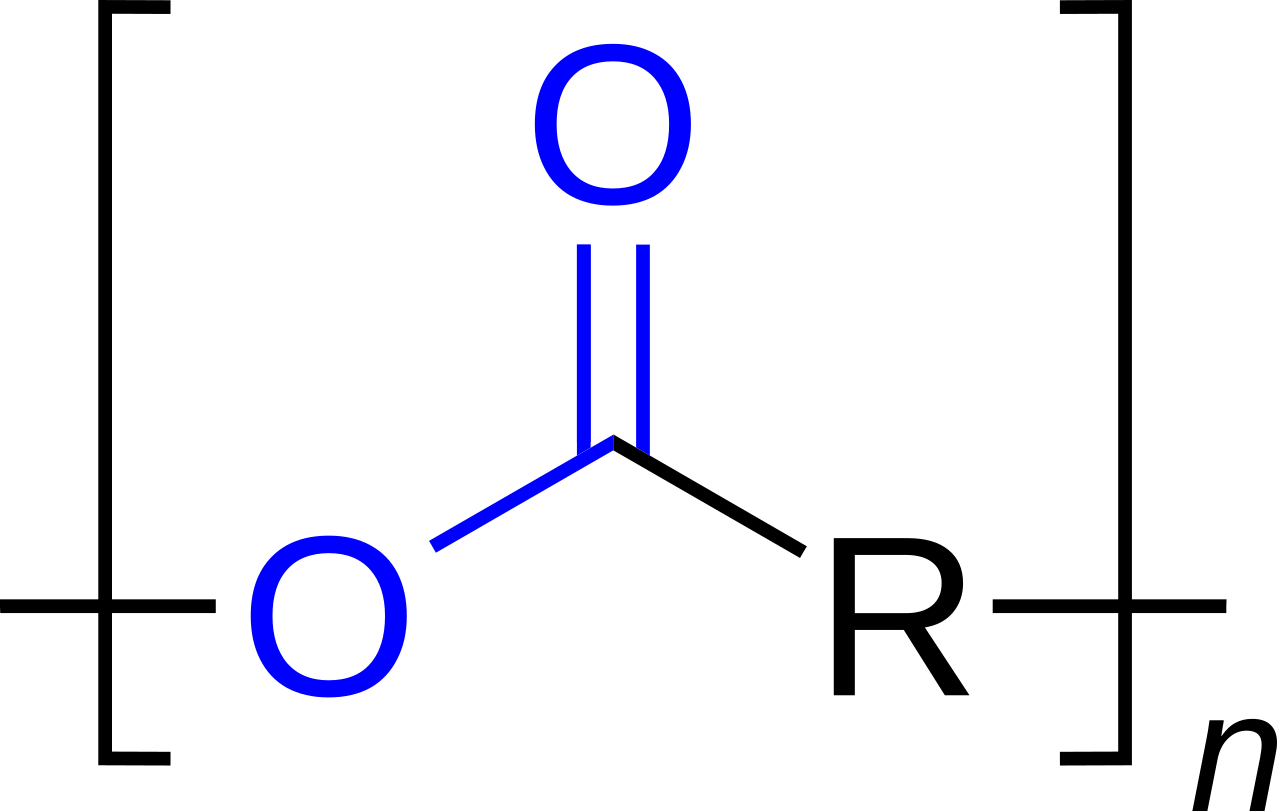
The remarkable versatility of polyester stems directly from its molecular structure. Polyesters are synthesized through polymerization reactions, typically esterification or transesterification, linking monomers containing ester groups. For PET, the primary monomers are ethylene glycol and terephthalic acid.
The resulting long, linear polymer chains are highly crystalline, contributing to polyester's exceptional tensile strength, abrasion resistance, and dimensional stability. The absence of polar groups along the main chain makes polyester inherently hydrophobic, leading to its characteristic quick-drying properties and resistance to moisture, mildew, and most chemicals. This hydrophobic nature also influences its dyeing characteristics, often requiring high-temperature or carrier dyeing methods.
Furthermore, the ability to modify the polymer chain by incorporating different co-monomers or altering processing conditions allows for a vast spectrum of material properties, from flexible films and soft fibers to rigid plastics, demonstrating polyester's adaptability to diverse engineering and consumer needs.
Polyester's Pervasive Influence
Polyester's impact on modern society is profound and far-reaching, extending well beyond its ubiquitous presence in clothing. In the apparel industry, its blend with natural fibers like cotton creates fabrics that combine the comfort of cotton with the durability and wrinkle resistance of polyester. High-performance activewear heavily relies on polyester's moisture-wicking and quick-drying capabilities.
In home furnishings, polyester is a staple for upholstery, curtains, and bedding due to its colorfastness, stain resistance, and affordability. Beyond textiles, PET, a specific polyester, dominates the beverage bottle market due to its clarity, strength, and barrier properties. It is also used in food packaging, photographic films, and magnetic recording tape.
In industrial sectors, polyester fibers are engineered for high-tenacity applications like tire cords, ropes, and conveyor belts. Moreover, advanced composite materials utilize polyester resins as matrices for fiberglass, contributing to lightweight yet strong structures in automotive, marine, and aerospace industries.
The Double-Edged Sword
While polyester offers undeniable advantages in performance and cost, its environmental footprint presents significant challenges. As a petroleum-based product, its production contributes to fossil fuel depletion and greenhouse gas emissions. A major concern is microplastic pollution; washing synthetic fabrics like polyester releases tiny plastic fibers into waterways, which can harm aquatic life and enter the food chain.
Furthermore, while PET is recyclable, collection and recycling rates vary globally, and the process can be energy-intensive. In response, the industry is increasingly focusing on sustainable alternatives. This includes developing recycled polyester (rPET) from post-consumer waste, which significantly reduces energy consumption and reliance on virgin petroleum.
Innovations in bio-based polyesters, derived from renewable resources like corn or sugarcane, offer another promising avenue, though scalability and cost remain hurdles. The future of polyester likely involves a multi-pronged approach combining enhanced recycling technologies, the development of bio-based feedstocks, and consumer education on responsible garment care to mitigate its environmental impact.
Go deeper
Frequently Asked Questions
What is polyester?+
Why is polyester popular in clothing?+
How is polyester made?+
Where can I find polyester besides clothes?+
Why did polyester become popular after the 1940s?+
Based on content from Wikipedia · Licensed under CC BY-SA 4.0